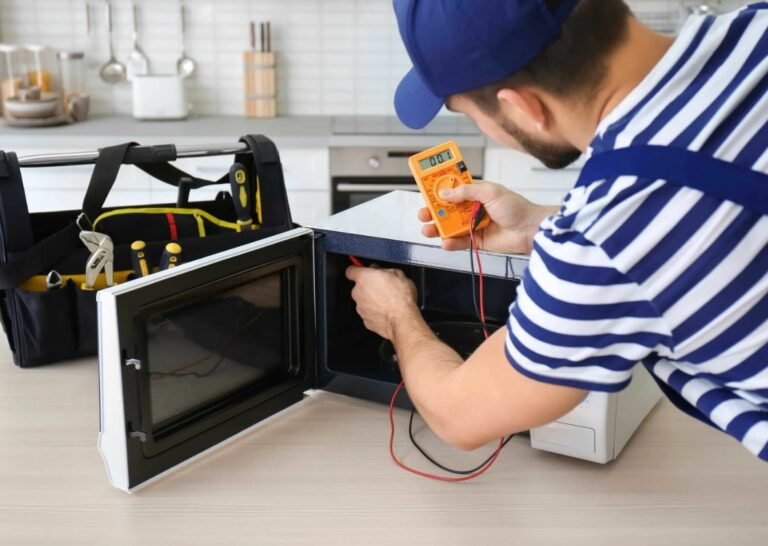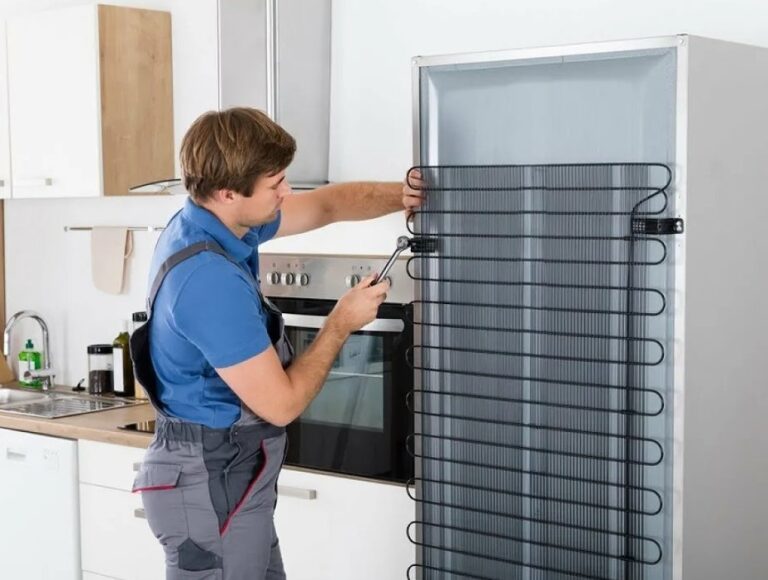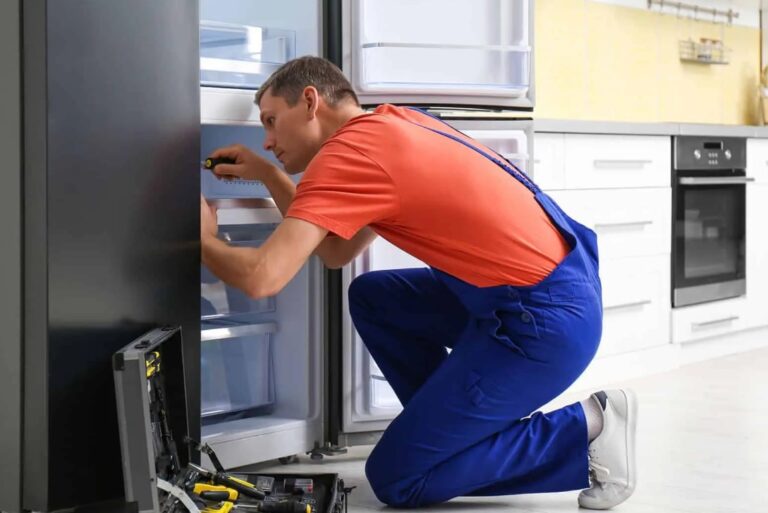
Bosch dishwasher repair knowledge can save you time, money, and frustration when even the most reliable machines occasionally run into issues. When it comes to household appliances, a Bosch dishwasher stands out for its reliability and efficiency. Understanding how to troubleshoot common problems is key to quick resolution. This article provides valuable insights and professional tips to help you diagnose and solve various problems with your Bosch dishwasher.
From unresponsive control panels to persistent leaks, the challenges you may encounter with your dishwasher are not uncommon. Identifying the root cause of these issues often requires a bit of technical knowledge and a systematic approach. Here, we delve into expert advice that will guide you through the process of troubleshooting your Bosch dishwasher, ensuring you can restore its functionality without the need for costly professional repairs.
Moreover, empowering yourself with these troubleshooting techniques not only enhances your understanding of your appliance but also boosts your confidence in handling minor repairs. This article will cover essential diagnostic steps, common problems, and practical solutions that cater to various skill levels. Let’s get started on the path to efficient and effective Bosch dishwasher repair.
Bosch Dishwasher Repair: Troubleshooting Tips from Professionals
Bosch dishwashers are known for their durability and performance, but like any appliance, they may encounter issues over time. Here’s a guide to troubleshoot some common problems, drawn from professional experiences.
Common Issues and Solutions
Understanding the typical malfunctions can help you address the problems more effectively.
| Issue | Possible Causes | Recommended Solutions |
|---|---|---|
| Dishwasher won’t start | Power supply issue, Door latch not engaged | Check if the dishwasher is plugged in and the circuit breaker is not tripped. Ensure the door is securely closed. |
| Poor cleaning results | Clogged spray arms, Incorrect loading | CLEAN spray arms with vinegar. Load dishes according to the user manual for optimal performance. |
| Water not draining | Blocked filter, Kinked drain hose | Inspect and clean the filter located at the bottom of the unit. Ensure the drain hose is not obstructed. |
| Strange noises during operation | Loose items in the tub, Malfunctioning motor | Remove any foreign objects from the dishwasher. If noise persists, contact a technician for motor assessment. |
Preventative Maintenance Tips
Regular maintenance can prolong the life of your Bosch dishwasher and enhance its efficiency.
1. Clean the filter regularly to avoid clogs that can affect cleaning performance.
2. Run a cleaning cycle with dishwasher cleaner every few months to remove limescale and grease buildup.
3. Inspect the door seal regularly for wear and tear; replacing it can prevent leaks.
4. Ensure the spray arms are free of obstructions by removing debris and buildup.
By following these troubleshooting tips and maintenance practices, users can resolve common issues and maintain their Bosch dishwasher in optimal condition.
Identifying Common Error Codes
Understanding the error codes of your Bosch dishwasher is essential for effective troubleshooting and repair. Each code signals a specific issue, helping you identify the problem quickly. Below are some common error codes you may encounter, along with their meanings.
- Error Code E01: This code indicates an issue with the appliance’s heating element. It may be necessary to replace the element if the heating mechanism fails to reach the required temperature.
- Error Code E02: This error signals a malfunction in the water supply. Check for clogs in the inlet hose or issues with the water supply valve to resolve this problem.
- Error Code E03: If this code appears, it usually means there is a drainage issue. Inspect the drainage hose for blockages and ensure the filter is clean.
- Error Code E04: This code indicates the dishwasher is experiencing flooding or excessive water levels. Check the float switch and examine the door seal for leaks.
- Error Code E05: This error means there’s a problem with the temperature sensor. It may need to be tested or replaced if it fails to provide accurate readings.
- Error Code E06: This code points to an issue with the motor or pump. A malfunctioning part may require professional assistance to diagnose or replace.
- Error Code E07: Indicates that the dishwasher is facing a problem with the rinse aid system. Ensure you have filled the rinse aid dispenser correctly.
To effectively address these error codes, referencing the appliance manual can provide additional guidance. Regular maintenance and awareness of these codes can help prolong the life of your Bosch dishwasher.
How to Check Power Supply Issues
Power supply problems are a common reason why a Bosch dishwasher may not function properly. To diagnose these issues, begin with a visual inspection of the power outlet. Ensure that the outlet is operational by plugging in another device, such as a lamp or phone charger. If the device does not work, the issue may lie within the electrical outlet or circuit.
Inspect the Power Cord
Next, examine the dishwasher’s power cord for any signs of damage. Look for fray, cuts, or burnt areas that could indicate a malfunction. If the power cord appears damaged, it is crucial to replace it with a new one before proceeding. Never attempt to use a damaged cord, as it poses safety risks.
Check the Circuit Breaker
If the power outlet is functional and the cord is intact, inspect the circuit breaker. Locate the circuit breaker panel and ensure that the breaker connected to the dishwasher hasn’t tripped. If it has, reset it by flipping the switch back to the ‘on’ position. If the breaker continues to trip, it may indicate a deeper electrical issue requiring professional assistance.
Assessing Water Supply and Drain Problems
When troubleshooting a Bosch dishwasher, one of the first areas to inspect is the water supply and drainage system. Proper water flow is essential for the machine’s efficiency, and even minor issues can disrupt its operation.
Start by checking the water supply line. Ensure that the supply valve is fully open. A partially closed valve can restrict water flow, causing the dishwasher to underperform or not start at all. If the valve is open, investigate the hose for any kinks or blockages that might hinder water delivery.
Next, examine the water inlet filter. This filter can accumulate debris over time, leading to reduced water entry. Safely disconnect the hose from the dishwasher and check the filter for clogs. Clean it thoroughly before reassembling to ensure optimal performance.
If your dishwasher is filling slowly or not filling at all, consider the possibility of an internal leak. Inspect the appliance’s interior for signs of leakage, as moisture can indicate problems with seals or hoses. Repair or replace any damaged components as necessary.
Moving to drainage, ensure that the drain hose is correctly installed. The hose should be elevated to prevent backflow but not so high as to restrict flow. Look for any signs of clogs in the hose or the drain pump. A blockage can lead to standing water at the end of a cycle, indicating that the dishwasher is unable to drain properly.
Lastly, check the garbage disposal if the dishwasher is connected to one. A clogged disposal can prevent the dishwasher from draining. Run the disposal to clear any obstructions before attempting a new cycle.
Cleaning the Filter and Spray Arms
Regular maintenance of your Bosch dishwasher includes cleaning the filter and spray arms to ensure optimal performance. Clogged or dirty components can lead to poor cleaning results and lingering odors.
Cleaning the Filter
The filter is crucial for trapping food particles and debris during the wash cycle. To clean it, first, remove the bottom rack to access the filter. Twist the filter cap counterclockwise and lift it out. Rinse the filter under warm running water to remove any buildup. For stubborn debris, use a soft brush to scrub the mesh. Make sure to clean the area inside the dishwasher where the filter sits, as residual particles can accumulate there. Once clean, reinsert the filter and secure it by twisting the cap clockwise.
Cleaning the Spray Arms
Spray arms distribute water during the wash cycle, so keeping them free of clogs is essential. Start by gently removing the spray arms; refer to your manual for proper detachment. Check the nozzle holes for blockages from food particles or mineral deposits. Use a toothpick or a small brush to clear any obstructions. After clearing the holes, rinse the spray arms under warm water. Once clean, reattach the spray arms to ensure a proper fit. Regularly check the spray arms every few months to maintain efficient cleaning performance.
Examining Door Seals and Latches
When troubleshooting a Bosch dishwasher, one of the critical areas to inspect is the door seals and latches. These components play a vital role in ensuring that the dishwasher operates efficiently and prevents water leaks. A faulty door seal or latch can lead to poor cleaning performance and potential water damage in your kitchen.
Inspecting Door Seals
Start by examining the rubber door seal, which runs along the perimeter of the dishwasher door. Check for any signs of wear, cracks, or loss of elasticity. A damaged seal can compromise the watertight integrity of the dishwasher, causing leaks during cycles. To ensure a proper seal, clean the rubber with a soft cloth to remove any accumulated grime or debris. If the seal appears to be significantly worn or damaged, consider replacing it with a new one tailored for your Bosch model.
Checking Door Latches
Next, focus on the door latch mechanism. A malfunctioning latch can prevent the door from closing properly, leading to operational issues. Examine the latch for any signs of damage, bending, or misalignment. Make sure that it engages firmly when the door is closed. If the latch is loose or does not catch, it may need adjustment or replacement. Testing the latch mechanism by opening and closing the door several times can help identify if it functions correctly. Ensure that the latch is free from obstructions and functions smoothly to maintain a secure seal during operation.
Troubleshooting Noise and Vibration Issues
When your Bosch dishwasher starts making unusual noises or vibrating excessively, it can be concerning. Identifying the source of these issues is crucial for restoring your appliance’s normal operation. Begin by checking the dishwasher’s leveling. If it is not properly leveled, it may rock during cycles, causing noise. Use a level tool and adjust the feet of the dishwasher accordingly.
Another common cause of noise is loose or worn components. Inspect the spray arms and ensure they are securely attached and not obstructed by dishes. If you hear rattling or clanking sounds, check for items lodged in the rotor or spray arms. Additionally, inspect the filter and drain for debris that may impede water flow and create noise.
Vibrations may also be caused by the dishwasher’s motor. Listen for unusual sounds signaling motor issues. If you detect grinding or screeching, this may suggest bearing wear, requiring motor replacement. Additionally, confirm that the dishwasher is securely installed and the mounting brackets are tight, as loose installations can amplify vibrations.
If your dishwasher utilizes a hard food disposal, clogs can lead to loud noises during operation. Regularly clean the disposal to prevent blockages and check for any loose parts within it. Lastly, ensure that the drain hose is correctly positioned to prevent water from splashing unnaturally, which can contribute to noise.
By addressing these common troubleshooting factors, you can effectively reduce noise and vibrations, ensuring your Bosch dishwasher operates smoothly and quietly.
Fixing Leaks Around the Dishwasher
Leaking dishwashers can cause significant damage to your kitchen floor and surrounding areas. Identifying the source of the leak is crucial to prevent further issues. Common leak sources include the door seal, water supply line, and drain hose. Start by inspecting these areas for issues.
1. Check the Door Seal: A damaged or dirty door seal can prevent the dishwasher from closing properly, leading to leaks. Clean the rubber gasket around the door with a damp cloth to remove debris. If the seal is cracked or brittle, it must be replaced. You can purchase a new gasket from your manufacturer or an appliance repair store.
2. Inspect the Water Supply Line: The water supply line could be the culprit of leaks. Look for any kinks, cracks, or loose connections. Tighten any loose fittings and replace any damaged sections of the hose. Ensure the connection to the dishwasher is secure, and check for leaks when the appliance is running.
3. Examine the Drain Hose: A clogged or damaged drain hose can cause water to back up and leak out of the dishwasher. Ensure the drain hose is correctly installed, lifted above the sink drain. Inspect for signs of wear, clogs, or breaks, and replace if necessary.
4. Look for Other Connections: Check all other connections and fittings inside the dishwasher. Water supply connections, pumps, and valves may develop leaks over time. If your dishwasher has a leak detection system, use it to pinpoint leaks more accurately.
5. Conduct a Final Test: After making any repairs, run the dishwasher empty to check for leaks. Observe the areas you repaired closely. If leaks persist, you may need to consult a professional technician as deeper issues may be present.
Regular maintenance can help prevent future leaks. Clean the filter and check hoses periodically to ensure they remain in good condition. Understanding common leak sources can save you time and money while maintaining your Bosch dishwasher.
Adjusting Spray Pressure and Water Temperature
Maintaining optimal spray pressure and water temperature in your Bosch dishwasher is essential for efficient cleaning performance. Incorrect settings can lead to poor washing results. Here are steps to adjust both parameters effectively.
Adjusting Spray Pressure
Spray pressure is crucial for ensuring that water reaches all surfaces of the dishes. Here’s how to adjust it:
- Check the Filter: A clogged filter can significantly reduce spray pressure. Remove and clean the filter to ensure unobstructed water flow.
- Inspect Spray Arms: Ensure that the spray arms can rotate freely. Remove any debris or buildup that may hinder their movement.
- Adjust Water Softener: In some models, adjusting the water softener setting can affect spray performance. Refer to the user manual to make the correct adjustments.
- Inspect Water Supply: Confirm that the water supply to the dishwasher is sufficient. A kinked hose or low water pressure from the source can impact performance.
Adjusting Water Temperature
Water temperature plays a vital role in removing tough stains and sanitizing dishes. Follow these steps to ensure the water is at the optimal temperature:
- Set Water Heater: The recommended water temperature for dishwashers is generally between 120°F to 150°F (49°C to 65°C). Adjust your home’s water heater thermostat as necessary.
- Run Hot Water Before Starting: Before running your dishwasher, turn on the kitchen faucet and let the hot water run for a few seconds. This helps ensure hot water starts immediately in the dishwasher.
- Check Temperature Settings: Some Bosch models allow users to select wash cycles that operate at different temperatures. Make sure to select a setting that meets the needs of your load.
Regularly reviewing and adjusting both spray pressure and water temperature can greatly enhance the cleaning efficacy of your Bosch dishwasher, ensuring sparkling clean dishes after every wash cycle.
Resolving Issues with Detergent Dispenser
The detergent dispenser in a Bosch dishwasher plays a crucial role in ensuring dishes are cleaned effectively. However, users may encounter problems that affect its operation. Here are some common issues and troubleshooting steps to resolve them.
- Blocked Detergent Dispenser:If the dispenser is clogged with detergent residue, it may not open correctly during the wash cycle. To resolve this:
- Inspect the dispenser for any visible blockages.
- Remove any leftover detergent using a damp cloth.
- Run a cycle with no dishes and no detergent to help clear any remaining residue.
- Dispenser Door Not Opening:An improperly functioning door can prevent detergent from being released. Check the following:
- Ensure that the dispenser door is not obstructed by dishes or utensils.
- Check for any damaged parts, particularly the spring mechanism.
- If damaged, consider replacing the dispenser door assembly.
- Wrong Detergent Type:Using the wrong type of detergent or too much detergent can lead to poor cleaning performance. Follow these steps:
- Use only recommended dishwasher detergents.
- Measure the correct amount according to the manufacturer’s guidelines.
- Switch to a different brand if issues persist.
- Temperature and Water Pressure:Improper water conditions can affect the effectiveness of the detergent dispenser. Consider these checks:
- Ensure the water temperature is set between 120°F to 150°F (49°C to 65°C).
- Check that the water pressure is sufficient (between 20-120 psi).
- Inspect hoses for any kinks or blockages.
- Check for Error Codes:Many Bosch dishwashers have built-in diagnostics that can identify dispenser issues. To check:
- Refer to the user manual for a list of error codes.
- Record any codes displayed and troubleshoot accordingly.
- If necessary, contact a professional technician for further assistance.
By following these troubleshooting tips, users can effectively resolve issues with the detergent dispenser and maintain optimal dishwasher performance.
When to Call a Professional Technician
While many dishwasher issues can be resolved with a bit of troubleshooting, there are instances where it is essential to contact a professional technician. Recognizing the signs that signal the need for expert help can save you time, money, and further damage to your appliance.
Signs Indicating Professional Help is Needed
There are specific symptoms of a malfunctioning Bosch dishwasher that suggest it is time to seek professional assistance. These include:
| Symptoms | Explanation |
|---|---|
| Persistent Error Codes | If you see frequent error codes that do not resolve with a reset, a technician should diagnose the underlying issue. |
| Leaking Water | Excessive water leakage could indicate a faulty pump or a damaged seal that may require a professional inspection. |
| No Power | If the dishwasher shows no signs of life despite troubleshooting, it might have electrical issues that need an expert’s attention. |
| Unusual Noises | Uncommon sounds like grinding or clanking may indicate internal parts are damaged and require professional repair. |
| Water Drainage Issues | Persistent drainage problems may suggest clogs or pump failures that a technician can address safely and effectively. |
Benefits of Hiring a Professional
Hiring a professional technician provides several advantages. They have the expertise to accurately diagnose issues, access to specialized tools, and knowledge of warranty implications. Furthermore, they can safely handle complex repairs that may pose risks to an untrained individual. Ultimately, calling a professional not only ensures a correct repair but also extends the lifespan of your Bosch dishwasher.
Q&A — Bosch dishwasher repair:
What are the common issues people face with Bosch dishwashers?
Common issues with Bosch dishwashers include problems with draining, not cleaning dishes properly, unusual noises during operation, and failure to start. Users often report water pooling at the bottom, which may indicate a clog in the drain or filter. Another frequent concern is loading the dishwasher and finding that dishes come out dirty, which can stem from malfunctioning spray arms or inadequate detergent usage.
How can I troubleshoot a Bosch dishwasher that won’t start?
If your Bosch dishwasher won’t start, first check if it’s properly plugged in and the outlet is functioning. Ensure that the door is fully closed, as many models have safety features that prevent operation if the door isn’t sealed. You can also inspect the control panel for any blinking lights or error codes, which can guide you to the specific issue. If everything seems fine, consider resetting the dishwasher by turning off the power for a few minutes before turning it back on.
Why is my Bosch dishwasher making strange noises during operation?
Strange noises from a Bosch dishwasher can be attributed to various reasons. Rattling sounds may occur if dishes are improperly loaded or if utensils are touching the spray arms. Grinding noises might indicate that something is stuck in the pump or impeller, while a consistent humming sound could suggest a problem with the motor or a blockage in the drain system. Inspecting these areas may help identify and resolve the source of the noise.
What should I do if my Bosch dishwasher is leaking?
If your Bosch dishwasher is leaking, first identify the source of the leak. Common culprits include a damaged door seal, a loose drain hose, or issues with the water inlet valve. Check for any visible cracks or wear on the door gasket, and ensure that the drain hose is properly connected and not kinked. If the problem persists, it might be necessary to replace the affected parts or consult a technician for further assistance.
How can I improve the cleaning performance of my Bosch dishwasher?
To enhance the cleaning performance of your Bosch dishwasher, start by ensuring that you are using the right detergent and that it is stored properly. Check the spray arms for any blockages and clean the filters regularly to prevent buildup. Loading the dishwasher correctly by avoiding overcrowding and ensuring that all items are facing downwards can also help. Run hot water before starting the cycle to improve washing efficiency, and consider using a dishwasher cleaner every few months to maintain optimal performance.
What are some common issues that can occur with Bosch dishwashers, and how can they be fixed?
Bosch dishwashers, while generally reliable, can experience several common issues. One frequent problem is the dishwasher not starting. This can often be resolved by checking the power supply, ensuring the door is fully closed, or checking the control panel for any error codes. Another common concern is inadequate cleaning, which could be due to clogged spray arms or a dirty filter. Cleaning these components can help restore proper functionality. Additionally, if the dishwasher is leaking, inspect the door gasket and water supply connections for any signs of wear or damage. Addressing these issues can lead to better performance and a longer lifespan for the appliance.
How can I perform regular maintenance on my Bosch dishwasher to prevent issues?
To keep your Bosch dishwasher running smoothly, regular maintenance is key. Start by cleaning the filter regularly; a clogged filter can hinder performance and cause odors. It’s also advisable to examine the spray arms for any debris that may block water flow. Running a maintenance cycle with a dishwasher cleaner can help eliminate grease and limescale buildup. Additionally, inspect the rubber seals around the door for any wear and replace them if necessary to prevent leaks. Lastly, checking and tightening the drain hose connections periodically ensures there are no leaks. Following these maintenance steps can significantly reduce the likelihood of future problems.
Choose APPLIANCE REPAIR in San Jose for you today and get fast, dependable service from technicians who truly care about your comfort — schedule your appointment now and restore your home’s convenience in no time.