Samsung fridge repair knowledge is essential for timely repairs and minimizing inconvenience when cooling failure, one of the most common problems, leads to spoiled food and frustration. Samsung refrigerators are known for their innovative technology and reliability, but even the best appliances can encounter issues over time. Understanding the potential causes of these cooling issues is the first step toward resolution.
In this article, we will explore the most frequent cooling problems associated with Samsung refrigerators, including compressor failures, faulty thermostats, and blocked air vents. Each of these issues can disrupt the normal functioning of your fridge, but with the right knowledge and professional solutions, you can restore its efficiency.
Professional repair services are crucial in addressing these complications. They provide the expertise needed to diagnose and fix the underlying problems your refrigerator may face. By opting for professional assistance, you ensure that the repairs are performed correctly, ultimately prolonging the lifespan of your appliance and maintaining the quality of your food storage.
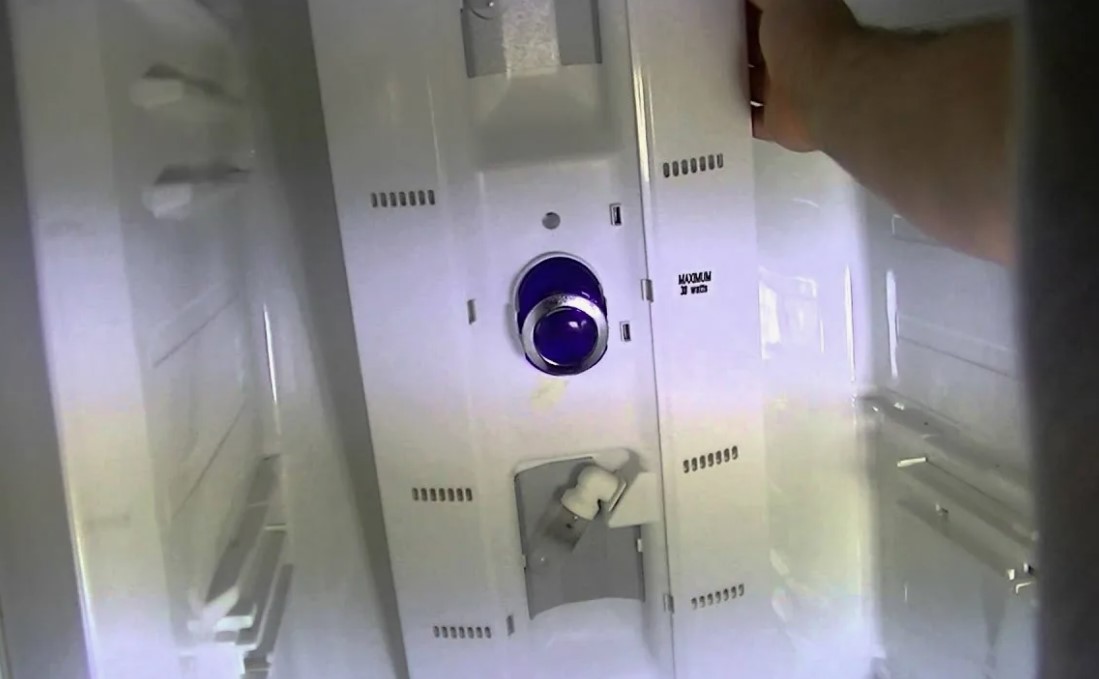
Samsung Fridge Repair: Professional Solutions for Cooling Issues
When facing cooling issues with your Samsung refrigerator, it’s essential to understand the potential causes and seek professional solutions. Common problems include inadequate cooling, inconsistent temperatures, and unusual noises. Identifying the root of the issue is crucial for effective repair.
One prevalent cause of cooling problems can be a faulty compressor. This component is vital for circulating refrigerant throughout the system. If your fridge is not cooling properly, a technician can assess the compressor’s functionality and recommend a replacement if necessary.
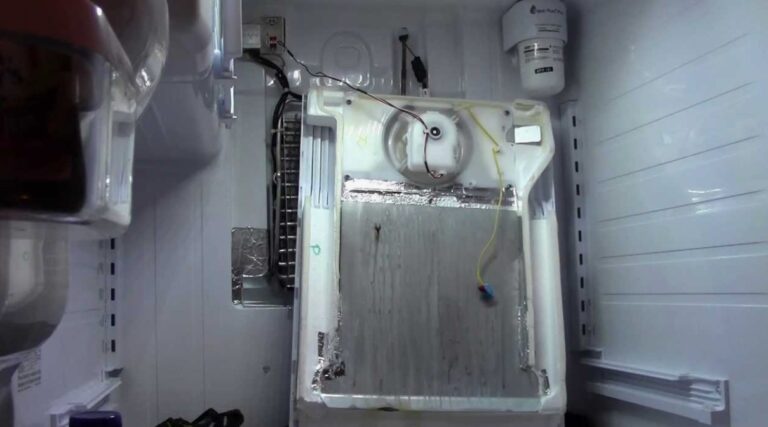
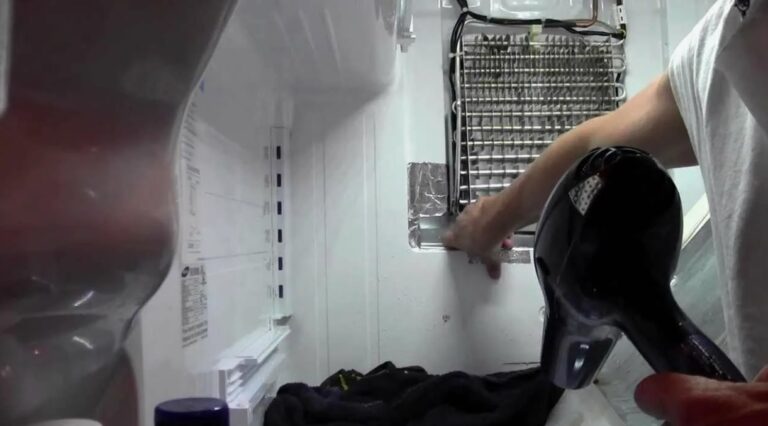
Another common issue is the accumulation of frost in the freezer compartment, which can hinder airflow and affect temperature regulation. This problem may be due to a malfunctioning defrost heater or a blocked defrost drain. Professional technicians can thoroughly inspect these components and ensure proper defrosting and drainage to restore optimal cooling.
In addition, a worn or damaged door seal can lead to temperature inconsistencies. If the seal does not close adequately, warm air can enter the refrigerator, causing it to work harder and potentially fail. A professional can easily replace the door seal, ensuring a tight fit and improving energy efficiency.
Regular maintenance is also essential in preventing cooling issues. Professionals recommend scheduling routine check-ups to clean coils, inspect fans, and ensure all components are functioning correctly. This proactive approach can extend the lifespan of your Samsung fridge and prevent costly repairs down the line.
Ultimately, for any significant cooling issues, contacting a certified Samsung repair technician is advisable. They have the expertise and tools necessary to diagnose and resolve problems efficiently, ensuring your refrigerator operates reliably and meets your cooling needs.
Identifying Common Cooling Problems in Samsung Refrigerators
Samsung refrigerators are known for their reliability, but like any appliance, they can experience cooling issues over time. Recognizing these problems early can help prevent food spoilage and reduce repair costs. Here are some common cooling problems and their potential causes:
- Inefficient Cooling:
- Blocked air vents: Ensure that the air vents inside the refrigerator are not obstructed by food items.
- Dirty condenser coils: Check and clean the coils located at the back or underneath the fridge.
- Faulty thermostat: A malfunctioning thermostat may not accurately sense temperature, preventing proper cooling.
- Iced Over Freezer:
- Defrost timer issue: An inaccurate defrost timer might cause excessive frost buildup.
- Damaged door seals: Inspect door gaskets for cracks or deformation that can allow warm air in.
- Clogged defrost drain: A blocked drain can lead to excess ice formation, affecting cooling efficiency.
- Unusual Noises:
- Compressor noise: If the compressor is louder than usual, it may be failing.
- Fan issues: Listen for unusual sounds from the evaporator or condenser fans, which may indicate malfunction.
- Temperature Fluctuations:
- Malfunctioning temperature controls: Check if the control settings have changed accidentally.
- Insufficient airflow: Ensure that the fridge is not overloaded, allowing air to circulate freely.
Identifying these issues early can save time and money. Regular maintenance and prompt repairs are essential to keep your Samsung refrigerator operating efficiently.
When to Call a Professional for Samsung Fridge Issues
Identifying the right time to seek professional help for your Samsung fridge can prevent further damage and ensure optimal performance. If you notice any cooling issues, strange noises, or unusual behavior from your refrigerator, assessing the situation is crucial.
Signs of Significant Cooling Problems
If your fridge is not maintaining a consistent temperature or food is spoiling faster than usual, it may indicate a serious issue. Problems such as a malfunctioning compressor, blocked vents, or a faulty thermostat require advanced troubleshooting and specialized tools that only professionals possess. Additionally, if you experience excessive frost buildup in the freezer or if the appliance is leaking water, it’s advisable to contact a technician.
Electrical Issues and Unusual Noises
Electrical problems like frequent tripping of circuit breakers or the fridge not turning on at all should not be ignored. Contacting a professional is essential, as these issues can pose safety hazards. Likewise, if your Samsung fridge emits loud or strange noises, such as grinding, clicking, or buzzing, these sounds could signal an underlying mechanical problem that needs expert assessment to prevent complete breakdown.
Understanding the Refrigeration Cycle in Samsung Models
The refrigeration cycle is a crucial process that underlies the functioning of Samsung refrigerators. Understanding this cycle can help users diagnose issues and appreciate the technology behind their appliances.
Here’s a detailed breakdown of the refrigeration cycle applicable to Samsung refrigerator models:
- Evaporation:Refrigerant begins in the evaporator coils within the fridge’s interior. It absorbs heat from the stored items, causing the refrigerant to evaporate into a gas. This process cools the air inside the refrigerator.
- Compression:The gaseous refrigerant then enters the compressor. This component compresses the gas, raising its pressure and temperature, which prepares it for the next phase of the cycle.
- Condensation:The high-pressure gas moves to the condenser coils located at the back or bottom of the unit. Here, it releases its heat to the surroundings, causing it to condense back into a liquid form.
- Expansion:The high-pressure liquid refrigerant then passes through an expansion valve, where it experiences a drop in pressure. This sudden reduction transforms it back into a low-pressure gas, ready to return to the evaporator and repeat the cycle.
Understanding these stages can be beneficial when troubleshooting cooling issues in Samsung refrigerators. Common problems may arise from faulty parts such as the compressor, evaporator coils, or the expansion valve, leading to inadequate cooling.
Regular maintenance and awareness of the refrigeration cycle can help ensure optimal performance and longevity of Samsung refrigerator models.
Top Symptoms of a Failing Compressor in Samsung Fridges
Identifying the symptoms of a failing compressor in a Samsung fridge is crucial to preventing further damage and ensuring optimal cooling performance. Below are some key indicators to watch for:
1. Insufficient Cooling
If you notice that your refrigerator is not maintaining the desired temperature, it might be a sign of a failing compressor. This can manifest as warm spots or food items not staying cold. A malfunctioning compressor may struggle to circulate the refrigerant effectively, leading to poor cooling efficiency.
2. Excessive Noise
Compressors typically operate with a certain level of noise, but unusual or loud sounds can indicate a problem. If you hear clanking, buzzing, or grinding noises coming from the fridge, it may be a sign that the compressor is working harder than it should or is failing completely. This excess noise is often a precursor to compressor failure and should not be ignored.
Additionally, if the compressor runs continuously without cycling off, it may indicate an underlying issue. Normal operation should include intermittent cycles, and constant running can lead to overheating and further damage.
Recognizing these symptoms early on can help prevent costly repairs and extend the lifespan of your Samsung refrigerator. If you suspect a failing compressor, it’s advisable to seek professional assistance promptly.
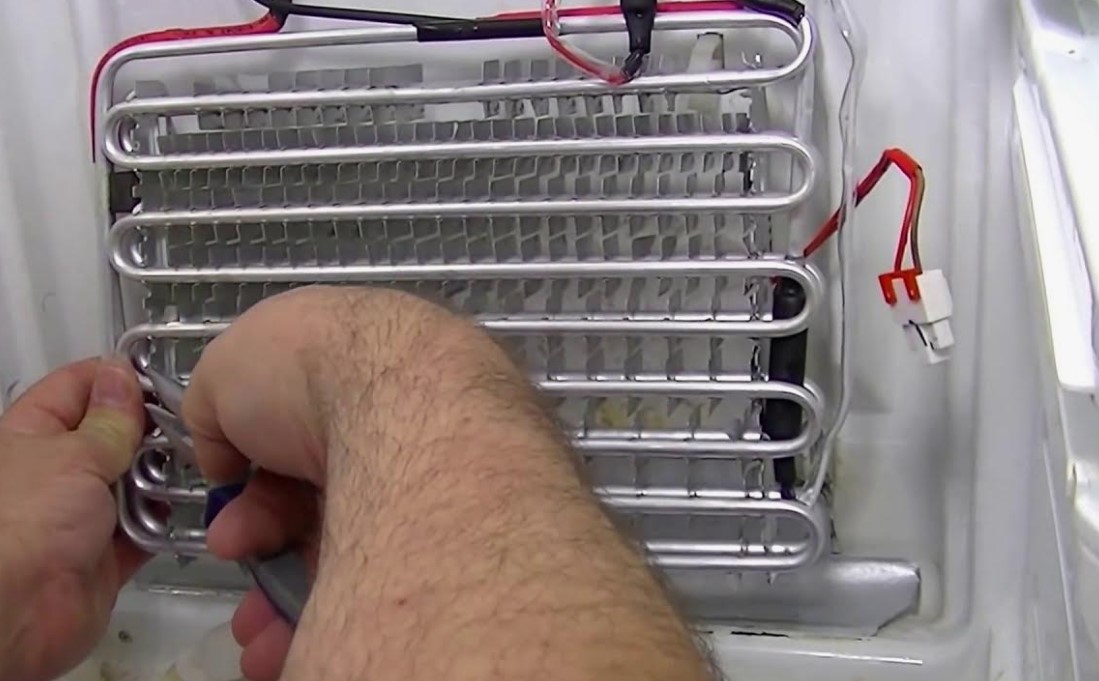
How to Troubleshoot Temperature Control Issues
If you are experiencing temperature control issues with your Samsung fridge, follow these troubleshooting steps to identify and resolve the problem effectively.
First, check the temperature settings. Make sure the fridge and freezer temperatures are set to the recommended levels, typically around 37°F (3°C) for the refrigerator and 0°F (-18°C) for the freezer. Adjust if necessary, and allow the appliance some time to stabilize before checking the temperature again.
Next, inspect the door seals. Damaged or dirty door seals can cause temperature fluctuations. Clean the seals with soapy water and ensure they close tightly. If they are torn or worn, consider replacing them.
Another step is to evaluate air circulation. Ensure that there are no items blocking the vents inside the fridge and freezer compartments. Proper air circulation is essential for maintaining the right temperature.
If the issues persist, check the condenser coils located at the back or bottom of the fridge. Dust and debris can accumulate, causing overheating and inefficient cooling. Unplug the fridge and carefully clean the coils with a vacuum or brush.
Additionally, review the fridge’s internal fan. Listen for unusual noises, which could indicate a malfunctioning fan. If the fan fails to operate, it may need to be replaced.
| Issue | Potential Cause | Solution |
|---|---|---|
| Temperature too warm | Incorrect settings | Adjust temperature settings to recommended levels. |
| Temperature too cold | Blocked airflow | Ensure vents are not obstructed by food items. |
| Fridge runs continuously | Dirty condenser coils | Clean the coils to improve efficiency. |
| Unusual noises | Malfunctioning fan | Inspect and replace fan if necessary. |
Lastly, if none of these solutions resolve the issue, consult the user manual for additional troubleshooting steps specific to your model or contact a professional repair service for further assistance. Regular maintenance can also prevent future problems with temperature control.
Checking and Replacing Faulty Thermostats
The thermostat plays a crucial role in regulating the temperature within your Samsung refrigerator. When it malfunctions, it can lead to improper cooling, causing food spoilage and unnecessary energy consumption. To address these issues, it’s essential to know how to check and replace a faulty thermostat effectively.
Begin by unplugging the refrigerator to ensure safety during the inspection process. Locate the thermostat, usually found inside the refrigerator compartment or at the back, depending on the model. Carefully remove any panels or covers that may be obstructing access.
Using a multimeter, check the thermostat’s continuity. Set the multimeter to the resistance measurement setting and connect the probes to the thermostat terminals. A reading of zero or near zero indicates a functional thermostat. If the reading shows infinite resistance, the thermostat is likely defective and requires replacement.
Before replacing the thermostat, note the model number and specifications to purchase an exact replacement part. Disconnect the faulty thermostat by unclipping or unscrewing it from its mounting bracket and removing the wiring harness attached to it.
Install the new thermostat by reversing the removal process. Secure it in place, reattach the wiring harness, and ensure all connections are tight. After installation, plug the refrigerator back in and monitor its performance. Adjust the thermostat to set your desired temperature and verify that the cooling system operates effectively.
If problems persist after replacing the thermostat, further investigation into other components, such as the compressor or evaporator fan, might be necessary. Regular maintenance and timely repairs can extend the life of your Samsung refrigerator and ensure it operates efficiently.
Dealing with Condenser Coils: Cleaning and Maintenance Tips
The condenser coils in your Samsung refrigerator play a crucial role in the cooling process. These coils dissipate heat that is absorbed from the interior of the fridge, ensuring that your food stays at the right temperature. However, over time, dust and debris can accumulate on the coils, reducing their efficiency and potentially leading to cooling issues. Regular cleaning and maintenance of the condenser coils are essential to ensure optimal performance.
Here are some effective tips for cleaning and maintaining the condenser coils:
| Step | Description |
|---|---|
| 1. Safety First | Before starting any maintenance, unplug the refrigerator to avoid electrical hazards. |
| 2. Locate the Coils | Identify the location of the condenser coils, which are usually located either at the back or beneath the fridge. |
| 3. Use a Soft Brush | Utilize a soft brush or a vacuum cleaner with a brush attachment to gently remove dust and debris from the coils. |
| 4. Wipe Down | After brushing, use a damp cloth to wipe the coils to remove any remaining dirt. |
| 5. Check for Damage | Inspect the coils for any signs of damage or corrosion. If you notice significant wear, consider contacting a professional for repair. |
| 6. Schedule Regular Cleaning | Make it a habit to clean the coils at least twice a year to maintain efficient performance. |
In addition to cleaning, ensuring proper airflow around the refrigerator can help keep the condenser coils working efficiently. Avoid placing any objects that obstruct air circulation and ensure that the fridge is positioned at an appropriate distance from the wall.
By following these cleaning and maintenance tips for your Samsung refrigerator’s condenser coils, you can prevent potential cooling issues and extend the lifespan of your appliance.
Assessing Evaporator Fan Malfunctions
The evaporator fan plays a crucial role in maintaining the internal temperature of your Samsung fridge. When this component malfunctions, it can lead to inadequate cooling and temperature fluctuations. Identifying the signs of a failing evaporator fan is essential for effective repair.
Common Symptoms of Evaporator Fan Issues
One of the first indicators of an evaporator fan malfunction is unusual noise emanating from the fridge. This may include grinding, rattling, or buzzing sounds that suggest that the fan blades are obstructed or that the motor is failing. Additionally, if you notice uneven cooling – such as warmer areas in the fridge or freezer – this may also point to a faulty fan that is not circulating air properly.
Another sign to look for is frost buildup in the evaporator coils. An obstruction or failure in the fan can prevent proper airflow, leading to excessive frost accumulation that can damage the coils and impair overall efficiency. If you observe any of these problems, it is vital to address them promptly to prevent further damage.
Steps for Assessment
To assess the evaporator fan’s functionality, open the fridge and listen for the fan’s operation. A quiet fridge could indicate a malfunctioning fan, especially if the compressor is running. If you are comfortable with basic electrical troubleshooting, unplug the refrigerator and access the fan assembly. Turn the fan blades manually; they should rotate freely without resistance. If the blades are stuck, the fan may need replacement.
Additionally, check for any loose wiring or damaged connectors affecting the fan’s operation. If the fan motor seems to be failing, it is advisable to consult a professional technician to verify the diagnosis and perform necessary repairs. Properly addressing evaporator fan malfunctions is essential for restoring optimal cooling performance in your Samsung fridge.
Diagnosing Ice Buildup Problems and Solutions
Ice buildup in a Samsung refrigerator can lead to inefficient cooling and potential damage if not addressed promptly. To effectively diagnose the problem, start by examining the freezer compartment for excessive frost accumulation. This usually indicates poor air circulation or a malfunctioning component.
Next, check the door seals. Damaged or worn-out gaskets can allow warm air to enter, leading to condensation and ice formation. Ensure that seals are clean and properly fitting. Replace any gaskets that appear cracked or degraded.
The defrost heater also plays a critical role in preventing ice buildup. If the heater is not functioning, frost will accumulate over time. Test the heater using a multimeter for continuity. If it’s defective, it should be replaced to restore normal operation.
Additionally, examine the drainage system. A clogged defrost drain can trap water, leading to ice formation. Clear any blockages to ensure proper drainage. Check the drain pan for cracks or misalignment, which could also contribute to ice issues.
Another consideration is the temperature settings. If the refrigerator is set too low, it can cause frost to develop. Adjust the thermostat to a moderate temperature, usually between 37-40°F for the fridge and 0°F for the freezer, to reduce ice buildup.
Lastly, if the problem persists, it may be indicative of issues with the main control board or thermistor. These components regulate the refrigerator’s functions and can fail over time. Professional diagnosis is recommended in such cases to ensure proper repair.
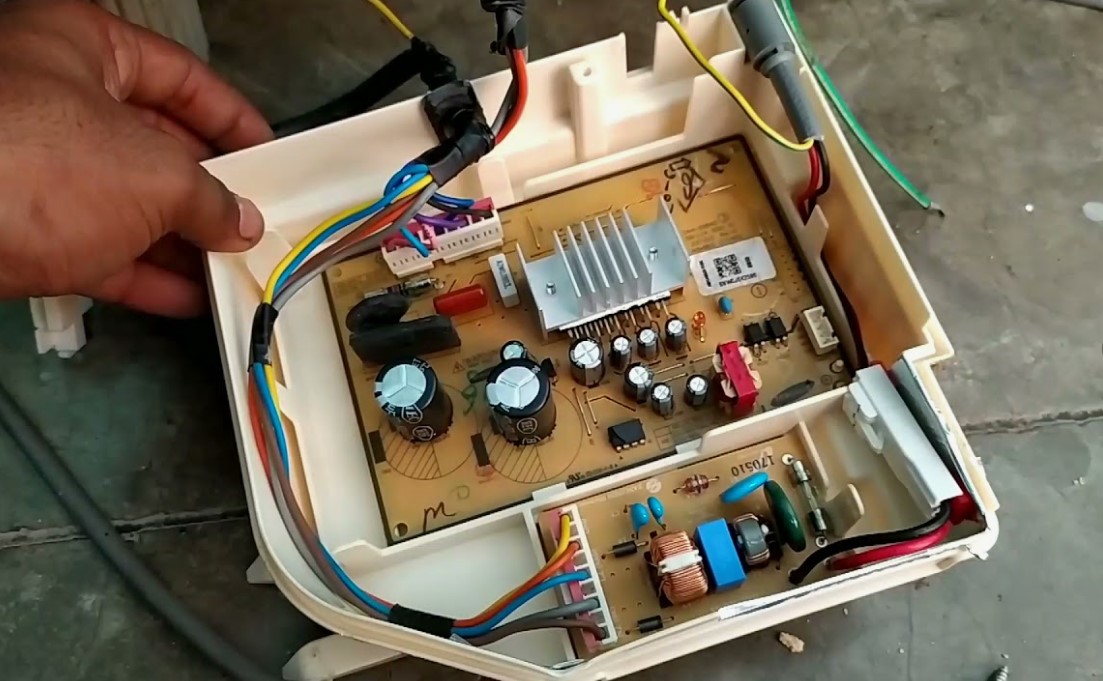
Evaluating Power Supply Issues Affecting Cooling
When addressing cooling problems in Samsung refrigerators, it’s crucial to assess potential power supply issues. A consistent and reliable power source is essential for the refrigerator to function effectively. Voltage fluctuations, poor connections, or faulty outlets can significantly impact the cooling performance of your fridge.
Identifying Power Supply Problems
Begin by checking if the refrigerator is plugged in securely. A loose or damaged plug can prevent the unit from receiving adequate power. Additionally, inspect the outlet for any signs of damage or excessive wear. Use a multimeter to measure the voltage output; it should typically be around 120 volts for standard U.S. models. If the voltage is below or fluctuating significantly, consider consulting an electrician to address the issue.
Inspecting Internal Components
Internally, the power supply board and compressor start relay play vital roles in ensuring optimal operation. A malfunctioning power supply board may not send the correct power signals to the compressor, leading to inadequate cooling. Look for any burnt components or signs of damage on the power supply board. Similarly, a defective compressor start relay can impede the compressor’s ability to function properly. Replacing these parts often resolves underlying power issues affecting cooling.
To conclude, thoroughly evaluating the power supply is integral to diagnosing and fixing cooling problems in Samsung refrigerators. By addressing these potential issues, you can restore the efficiency of your appliance and maintain its performance over time.
Importance of Professional Repairs vs. DIY Fixes
When dealing with cooling issues in your Samsung refrigerator, the decision between professional repairs and DIY fixes is crucial. Each approach has its own set of advantages and disadvantages that can significantly affect the longevity and efficiency of your appliance.
Here are some reasons why professional repairs are often more beneficial than attempting DIY fixes:
- Expertise and Experience: Professionals possess the necessary training and experience to diagnose complex issues that may not be apparent to the average homeowner. They are familiar with common problems specific to Samsung refrigerators and know how to address them effectively.
- Access to Tools and Parts: Repair technicians have access to specialized tools and genuine replacement parts that are often required for efficient repairs. DIY fixes may lead to the use of subpar components, causing further issues.
- Time Efficiency: Professionals can often complete repairs in a fraction of the time it would take an untrained individual. This means less downtime for your refrigerator and more convenience for you.
- Safety Considerations: Refrigerators contain electrical components and refrigerants that can pose safety hazards. Professionals are trained to handle these risks, reducing the chances of accidents during repairs.
- Warranty Protection: Many repairs conducted by certified professionals help maintain your refrigerator’s warranty. DIY fixes could void the warranty, leaving you with higher expenses in the event of future issues.
While DIY repairs can be appealing due to potential cost savings, they often lack the quality assurance of professional services. Mistakes during DIY repair attempts can lead to further damage and ultimately higher costs.
In summary, professional repairs for Samsung refrigerators not only provide peace of mind but also ensure that your appliance operates efficiently and safely. Opt for professional solutions to safeguard your investment and guarantee optimal performance.
Q&A – Samsung fridge repair:
What are the common signs that my Samsung fridge needs repair?
Common signs that your Samsung fridge may need repair include inconsistent temperatures inside the fridge and freezer, unusual noises like clicking or buzzing, leaks of water around the unit, and ice buildup in the freezer compartment. If your food spoils quickly or the fridge doesn’t seem to cool properly, these are also indicators that something might be wrong, and you should consider professional assistance.
How can I troubleshoot minor cooling issues in my Samsung fridge before calling for repairs?
To troubleshoot minor cooling issues, start by checking the thermostat settings to ensure they are set correctly. Next, inspect the door seals for any gaps or damage that could cause cold air to escape. Also, clean the condenser coils located at the back or bottom of the fridge to remove dust and dirt. Finally, make sure there is adequate airflow around the fridge by keeping it away from walls and other appliances. If these steps don’t resolve the issue, it may be time to call a technician.
What should I expect during a professional Samsung fridge repair service?
During a professional repair service, the technician will first assess the fridge to determine the cause of the cooling issues. They will likely check the compressor, evaporator fan, and other key components. After diagnosing the problem, they will explain necessary repairs and provide an estimate for the cost. The technician will then carry out the repairs, which may involve replacing faulty parts or fixing leaks. Once the repair is complete, they will test the fridge to ensure it is functioning correctly before leaving.
How much does it typically cost to repair a Samsung fridge with cooling problems?
The cost of repairing a Samsung fridge with cooling problems can vary widely depending on the nature of the issue and the parts needed for the repair. On average, you might expect to pay between $150 to $500. Simple repairs, such as replacing a door seal or cleaning the coils, can be less expensive, while more complex issues, like compressor failure, could be on the higher end of the scale. It’s advisable to get a detailed estimate before proceeding with repairs.
Is it worth repairing an older Samsung fridge that has cooling issues?
Whether to repair or replace an older Samsung fridge with cooling issues depends on several factors, including the age of the fridge, the cost of repairs, and your budget for a new appliance. If the fridge is over 10 years old and repairs are costly, it might be more economical to invest in a new model, which could offer better energy efficiency and features. However, if the fridge has minor issues and is otherwise functioning well, repair could be a reasonable option. It’s always wise to weigh the cost of repair against the value of a new unit.
What are the common symptoms of cooling issues in Samsung refrigerators?
Some common symptoms of cooling issues in Samsung refrigerators include inadequate cooling in the refrigerator compartment, warm air in the freezer, frost buildup, unusual noises, and frequent cycling of the compressor. If you notice any of these signs, it may indicate a malfunction that requires professional attention.
Looking for trusted APPLIANCE REPAIR in San Jose for you? Our certified technicians offer fast, affordable, and reliable fixes for all your home appliances — because your time and comfort matter most!