Samsung refrigerator repair knowledge is essential for timely intervention and efficient resolution when the fridge stops cooling, which is a significant inconvenience that can lead to food spoilage. Refrigerators are vital appliances in any household. Understanding the underlying causes of these cooling issues is crucial, as various factors, ranging from minor glitches to more severe mechanical failures, can contribute to this problem.
One common reason a Samsung refrigerator may fail to maintain the desired temperature is a malfunction in the cooling system. This can be due to a faulty compressor, which is responsible for circulating refrigerant throughout the system. A failing compressor can lead to insufficient cooling, requiring immediate attention from a qualified technician.
Another potential cause is a blocked airflow. Samsung refrigerators rely on proper air circulation to maintain consistent temperatures. Dust and debris can accumulate on condenser coils, obstructing airflow and reducing cooling efficiency. Regular maintenance, including cleaning these coils, can help prevent such issues.
Additionally, thermostat malfunctions can disrupt the fridge’s ability to monitor and regulate internal temperatures effectively. If the thermostat is not functioning correctly, it may fail to signal the compressor to engage, resulting in fluctuating temperatures that could lead to food spoilage.
Understanding these common issues is the first step in diagnosing and resolving cooling problems. Whether you’re a DIY enthusiast or prefer to call in a professional, recognizing the signs of malfunction can save time and protect your perishable items.
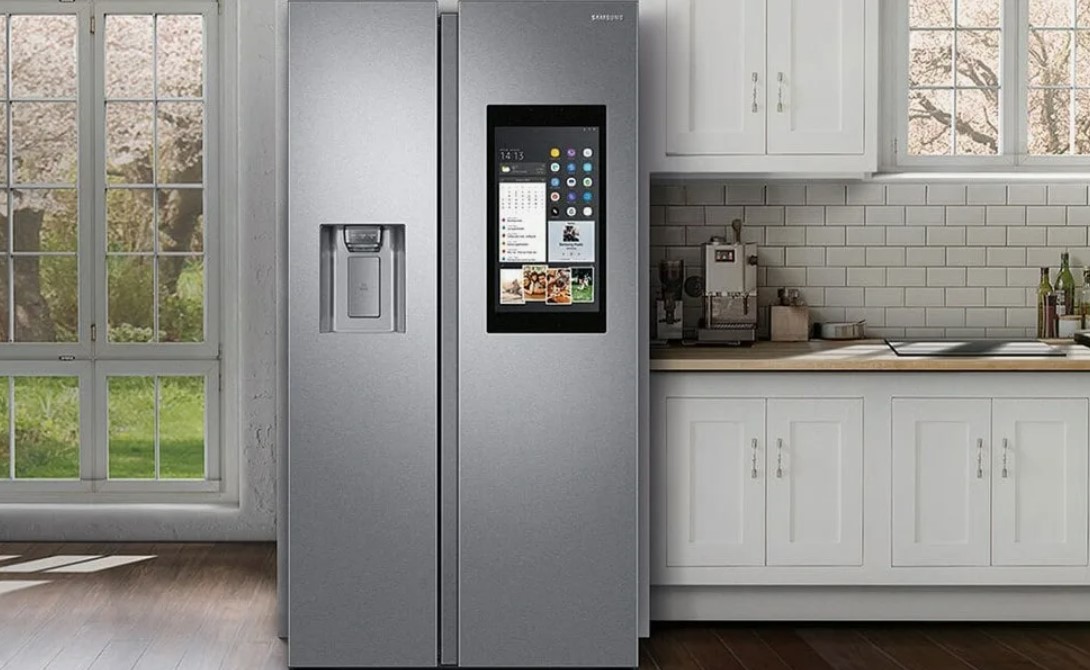
Samsung Refrigerator Repair: Why Your Fridge Stops Cooling
When your Samsung refrigerator stops cooling, it can be a frustrating experience, often leading to spoiled food and a need for urgent repairs. Understanding the common reasons behind this issue can help you diagnose the problem effectively.
Common Causes of Cooling Issues
One of the primary reasons a refrigerator stops cooling is a malfunctioning compressor. The compressor is responsible for circulating the refrigerant throughout the cooling system, and if it fails, cooling will cease. Additionally, issues with the evaporator coils can also lead to insufficient cooling. These coils must be free of frost and dirt to function correctly.
Another frequent culprit is a malfunctioning thermostat. If the thermostat is not accurately reading the internal temperature, it can prevent the compressor from engaging, causing a lack of cooling. Similarly, a clogged condenser coil can hinder the refrigerator’s ability to dissipate heat, resulting in inadequate cooling performance.
Troubleshooting and Repair Steps
To address cooling issues, start by checking the thermostat settings and ensuring they are set correctly. Next, inspect the condenser coils for dust and debris, as cleaning them can often restore normal function. If the compressor is making unusual noises or is hot to the touch, it may need replacement or further inspection by a professional.
If these steps do not resolve the issue, consider calling a qualified technician. They can conduct a comprehensive assessment to diagnose underlying problems, including refrigerant leaks or electrical issues, ensuring your Samsung refrigerator is restored to optimal performance.
Understanding Common Cooling Issues in Samsung Refrigerators
Samsung refrigerators are known for their reliability, but like any appliance, they can experience cooling problems over time. Identifying the underlying cause of inadequate cooling is essential for timely repair and maintenance.
One common issue is a faulty thermostat. The thermostat regulates the temperature within the fridge. If it malfunctions or becomes inaccurate, it may fail to signal the compressor to cool effectively, resulting in higher internal temperatures.
Another frequent culprit is a blockage in the air vents. Samsung refrigerators rely on proper airflow to maintain consistent cooling. If the vents are obstructed by food items or debris, cold air circulation will be hindered, leading to uneven cooling and warm spots.
The condenser coils can also contribute to cooling problems. When these coils become dirty or coated with dust, their efficiency declines, causing the refrigerator to struggle with cooling. Regular cleaning of the coils can prevent this issue.
Additionally, a malfunctioning compressor may be to blame. The compressor is crucial for circulating refrigerant throughout the system. If it fails, the refrigerator will not properly maintain cool temperatures. Symptoms include unusual noises or failure to start altogether.
Lastly, door seals or gaskets that are damaged or worn may cause air leakage. This leads to temperature fluctuations as the refrigerator compensates for the loss of cool air. Inspecting and replacing these seals can resolve the issue effectively.
Understanding these common cooling issues can help Samsung refrigerator owners diagnose problems early. Regular maintenance and prompt repairs are essential to ensure optimal performance and longevity of the appliance.
Identifying Signs Your Fridge is Not Cooling Properly
Recognizing when your refrigerator is not functioning correctly is crucial for preventing food spoilage and other issues. There are several key indicators you can look for to determine if your fridge is not cooling as it should.
Temperature Issues
If you notice that your food is warm or not staying fresh, this is the most obvious sign that your fridge is failing to cool properly. A fridge should maintain a temperature between 35°F and 38°F (1.7°C and 3.3°C). You can use a refrigerator thermometer to check the internal temperature accurately.
Unusual Noises
Another indicator of a malfunctioning fridge is if you hear strange noises. While some sounds are normal, excessive humming, buzzing, or clicking could suggest issues with the compressor or other components. Pay attention to any changes in sound, as this can help you identify problems early.
If you experience any of these signs, it may be time to investigate further or consult with a professional for repair options.
Checking the Temperature Settings of Your Samsung Refrigerator
One of the first steps in troubleshooting cooling issues with your Samsung refrigerator is to check its temperature settings. Incorrect temperature settings can lead to inadequate cooling, making your food spoil faster.
To begin, locate the control panel on the front of your refrigerator. Most Samsung models feature an easy-to-read digital display that shows the current interior temperatures. Ensure that the temperature settings are within the recommended range; typically, this should be around 37°F (3°C) for the refrigerator compartment and 0°F (-18°C) for the freezer.
If the settings are too high, the compressor may not function efficiently, resulting in poor cooling performance. Alternatively, if the settings are too low, it can cause excessive energy consumption and potentially freeze items unintentionally.
Additionally, it’s crucial to ensure that the refrigerator is not in “Demo Mode.” This mode is often used in showrooms and prevents the appliance from cooling effectively. To exit Demo Mode, press and hold the “Energy Saver” and “Lighting” buttons simultaneously for about 10 seconds or until you hear a chime.
After adjusting the settings, allow the refrigerator some time to stabilize before checking the temperature again. It typically takes several hours for the temperature to respond to adjustments. You can use an appliance thermometer to verify that the internal temperatures are appropriate for food storage.
Lastly, if you encounter repeated issues with temperature settings changing or not reflecting the actual temperature, consider consulting the user manual or a professional technician for further assistance.

Inspecting the Condenser Coils for Dust and Debris
Condenser coils play a critical role in the cooling process of your Samsung refrigerator. Located at the back or the bottom of the appliance, these coils dissipate heat from the refrigerant, allowing the fridge to maintain a low internal temperature. Over time, dust and debris can accumulate on the coils, hindering their efficiency and causing the refrigerator to stop cooling effectively.
Identifying Dust and Debris Accumulation
To inspect the condenser coils, first, disconnect your refrigerator from the power source for safety. Next, move any obstacles away from the appliance to access the coils easily. Look for visible signs of dirt, dust, or pet hair clinging to the coils. A buildup can be quite pronounced, often appearing as a thick layer that diminishes airflow. If the coils seem discolored or are difficult to see through the grime, it is time for a cleaning.
Cleaning the Coils for Optimal Performance
Use a soft brush or a vacuum cleaner with a brush attachment to gently clean the coils. Be careful not to bend or damage them during this process. For stubborn grime, a damp cloth may help, but ensure the coils dry completely before reconnecting the refrigerator to power. Regular inspection and cleaning of the condenser coils can significantly improve your fridge’s cooling efficiency and extend its lifespan.
Assessing the Door Seals for Wear and Tear
One of the most common reasons for a Samsung refrigerator to stop cooling effectively is compromised door seals. These rubber gaskets are crucial as they create an airtight seal when the refrigerator door is closed. Over time, wear and tear can cause these seals to deteriorate, allowing warm air to enter the fridge and cold air to escape.
To assess the condition of your refrigerator door seals, start by visually inspecting them for any visible damage, such as cracks, tears, or deformities. Look for any gaps between the seal and the refrigerator body when the door is closed. If you notice any irregularities, this could indicate that the seal is no longer functioning properly.
Next, conduct a simple test known as the dollar bill test. Close the refrigerator door on a dollar bill so that half of it remains inside and the other half outside. Try to pull the bill out. If it slides out easily, the seal may be compromised. A good seal should hold the bill firmly in place, indicating it is creating a proper barrier.
Additionally, pay attention to the temperature inside your refrigerator. If it is warmer than usual, or if you experience excessive frost buildup in the freezer, this may also indicate an issue with the door seals. Regular maintenance and replacement of worn seals can significantly improve cooling efficiency and prolong the lifespan of your appliance.
Examining the Evaporator Fan and its Functionality
The evaporator fan is a critical component of your Samsung refrigerator that plays a vital role in maintaining optimal cooling performance. Its primary function is to circulate cold air produced by the evaporator coils throughout the refrigerator and freezer sections. When the fan malfunctions, the cooling efficiency can significantly decline, resulting in warmer temperatures inside the compartments.
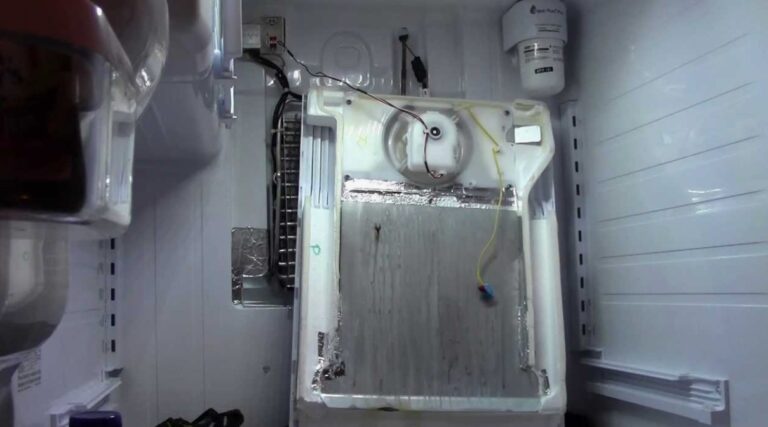
One common issue related to the evaporator fan is the accumulation of ice on the fan blades. This can occur due to inadequate defrosting, leading to airflow restriction. In such cases, the fan may either slow down or stop altogether, culminating in cooling problems. Regular maintenance, such as ensuring the defrost system is operational, can help prevent this issue.
Another key aspect to consider is the fan motor. If the motor becomes faulty or worn out, it may produce unusual noises or fail to operate. An audible clicking or buzzing sound could indicate a problem with the motor, which may require replacement to restore proper functionality.
It’s also essential to check the fan for any obstructions that could impede its movement. Debris or ice buildup around the fan can create additional strain on the motor, further contributing to potential failures. Conducting periodic inspections can aid in identifying and resolving these problems before they escalate.
Utilizing a multimeter can assist in diagnosing issues with the evaporator fan motor. By checking for continuity, one can determine whether the motor is receiving power and functioning correctly. If continuity is absent, it may necessitate a replacement of the motor to resolve cooling issues.
In summary, the evaporator fan’s functionality is crucial for maintaining a consistent temperature within your Samsung refrigerator. Ensuring its proper operation includes regular inspections, addressing any ice accumulation, and assessing the motor’s condition. Taking these steps can help ensure your refrigerator continues to operate efficiently.
Verifying the Compressor Operation and Its Role
The compressor is a critical component of your Samsung refrigerator, responsible for circulating refrigerant and maintaining the required cooling temperature inside the appliance. Understanding how to verify its operation can help identify cooling issues.
Here are steps to verify the compressor’s functioning:
- Listen for Sounds: When the fridge is operating, a humming or buzzing sound indicates that the compressor is running. A complete absence of sound may suggest a malfunction.
- Check for Vibration: Gently place your hand on the compressor. It should be warm and vibrating lightly during operation. No warmth or vibration may indicate a failure.
- Inspect the Start Relay: Unplug the refrigerator and test the start relay with a multimeter. A faulty relay can prevent the compressor from functioning correctly.
- Examine the Compressor Overload Protector: This component protects the compressor from overheating. If it trips frequently, it may need replacement or indicate a deeper issue.
- Test the Capacitor: The capacitor provides the necessary start-up boost to the compressor. If defective, the compressor may struggle to start or not start at all.
Understanding the role of the compressor in the cooling cycle is also essential. The compressor compresses low-pressure refrigerant gas, raising its temperature. This high-pressure gas then travels to the condenser coils, where it dissipates heat and transforms into a liquid before going back to the evaporator coils to repeat the cycle.
In summary, verifying the operation of the compressor involves checking sounds, vibrations, and associated components like the start relay, overload protector, and capacitor. Ensuring these elements function correctly is vital for your refrigerator’s cooling efficiency.
Investigating Refrigerant Levels and Potential Leaks
The efficiency of your Samsung refrigerator heavily relies on the correct levels of refrigerant. If your fridge is not cooling as it should, investigating the refrigerant levels and potential leaks is essential for proper diagnosis and repair.
Refrigerant is the fluid that circulates through the coils and absorbs heat from the interior, allowing the appliance to maintain a cold environment. If the levels are low, the fridge may struggle to achieve the desired temperature. A lack of refrigerant often indicates a leak somewhere in the system.
To assess the refrigerant levels, it is advisable to observe the following indicators:
| Indicator | Description |
|---|---|
| Temperature Fluctuation | The fridge alternates between being too warm and too cold. |
| Frost Build-Up | Excessive frost in the freezer or on the cooling coils can signal inadequate refrigerant flow. |
| Noisy Compressor | The compressor may run continuously or exhibit unusual noises, indicating it is working harder due to low refrigerant. |
| Ice Formation | Internal ice build-up, particularly around the evaporator, can indicate a refrigerant leak. |
To locate a refrigerant leak, a professional technician typically employs techniques such as detecting pressure drops in the system and utilizing electronic leak detectors. Visible signs of leak include oil residue around joints and connections. Minor leaks may be repaired with soldering or sealing, while significant leaks often necessitate replacement of components.
After addressing leaks, the refrigerant levels must be replenished to the manufacturer’s specified amount, ensuring optimal operation of the appliance. Regular maintenance checks are recommended to prevent future issues.
Understanding the Role of the Thermostat in Cooling
The thermostat in your Samsung refrigerator plays a crucial role in maintaining the desired temperature within the unit. It acts as a temperature sensor that monitors the internal environment of the fridge, ensuring that it stays cool enough to preserve food and prevent spoilage.
When the temperature rises above the set limit, the thermostat sends a signal to the compressor to activate. This begins the cooling cycle, during which the refrigerant circulates through the system, absorbing heat from the interior and releasing it outside. Once the designated temperature is reached, the thermostat instructs the compressor to turn off, conserving energy and avoiding unnecessary wear on the system.
Malfunctions in the thermostat can lead to various cooling issues. If it fails to accurately sense the temperature, it may cause the compressor to run continuously or not run at all. This can lead to inconsistent temperatures, resulting in spoiled food or excessive energy consumption. A faulty thermostat can also lead to irregular cycling, where the fridge frequently turns on and off, placing strain on the compressor.
Regular maintenance and inspection of the thermostat are essential to ensure it functions correctly. If you notice any cooling problems, it’s advisable to test the thermostat with a multimeter or seek professional assistance. Properly calibrating the thermostat can restore the efficiency and effectiveness of your refrigerator’s cooling system.

Recognizing Electrical Issues Affecting Refrigerator Performance
Electrical problems can significantly impact the performance of your Samsung refrigerator, leading to inadequate cooling and other functional issues. Identifying these issues early can prevent further damage and costly repairs. Here are some common electrical problems to be aware of:
1. Power Supply Issues
A refrigerator requires a consistent power supply to function effectively. Check the following:
- Plug Connection: Ensure that the refrigerator is properly plugged into a functioning outlet.
- Electrical Outlet: Test the outlet with another device to confirm it is delivering power. If not, consider calling an electrician.
- Extension Cords: Avoid using extension cords, as they may not supply adequate power to the refrigerator.
2. Faulty Components
Several components within the refrigerator can fail, affecting its overall performance:
- Start Relay: A malfunctioning start relay can prevent the compressor from starting, leading to temperature issues.
- Thermostat: A faulty thermostat may incorrectly read temperatures, causing the fridge to shut down prematurely.
- Fuse or Circuit Breaker: A blown fuse or tripped circuit breaker can disrupt power, so check and replace them as necessary.
If you suspect any electrical issues, it’s advisable to consult a professional technician for diagnosis and repair to ensure safe handling and optimal refrigerator performance.
When to Call a Professional Technician for Repairs
Identifying the right time to seek assistance from a professional technician can save you time and prevent further damage to your Samsung refrigerator. Here are key indicators that it is time to call for professional repairs:
- Persistent Cooling Issues: If your refrigerator consistently fails to maintain a proper temperature despite adjustments, it’s advisable to consult a technician.
- Unusual Noises: Sounds such as grinding, rattling, or hissing that are out of the ordinary could indicate a problem with internal components that require expert attention.
- Increased Energy Bills: A sudden spike in energy costs might suggest that your refrigerator is working harder than usual due to inefficiencies that need to be addressed.
- Frost Build-Up: Excessive frost accumulation in the freezer or air ducts may signify a malfunctioning defrost system, which should be evaluated by a professional.
- Leakage: Any leaks near or around the refrigerator could indicate a refrigerant leak or a water line problem that necessitates immediate professional intervention.
- Compressor Issues: If the compressor is constantly running or not running at all, it’s crucial to have a technician diagnose the problem, as this is a vital component of the cooling system.
- Burning Smell: A burning smell often points to electrical malfunctions that can cause fire hazards. This situation warrants immediate professional evaluation.
- Age of the Appliance: Older models may require repair more often. If your fridge is approaching or has surpassed its expected lifespan, a technician might offer solutions for repair or replacement.
Addressing these issues promptly with the help of a qualified technician can prevent further complications and ensure your refrigerator operates effectively.
Q&A – Samsung refrigerator repair:
What are the common reasons why a Samsung refrigerator stops cooling?
There are several reasons why a Samsung refrigerator may stop cooling. Some common issues include a malfunctioning compressor, clogged condenser coils, or a problem with the thermostat. If the fridge is not properly sealed, warm air can enter, causing the cooling system to struggle. Additionally, a dirty evaporator fan or a failed defrost heater can also lead to cooling problems. Regular maintenance can help prevent these issues.
How can I troubleshoot my Samsung refrigerator if it isn’t cooling?
To troubleshoot a Samsung refrigerator that isn’t cooling, start by checking the power supply. Ensure that the fridge is plugged in and that the outlet is functioning. Next, inspect the temperature settings; they should typically be set between 34°F and 40°F. Examine the condenser coils for dirt and debris; cleaning them can improve cooling efficiency. Also, listen for the sound of the compressor or fan running. If there is a lot of frost buildup in the freezer, you might need to check the defrost system. If these steps don’t resolve the issue, you may need to contact a technician for further diagnosis.
What should I do if my Samsung refrigerator is making strange noises and not cooling?
If your Samsung refrigerator is making unusual noises and not cooling properly, first check to see if the refrigerator is level. An unlevel fridge can create noise and affect its functionality. Listen for the source of the noise—if it’s coming from the back, it could be the compressor or the condenser fan. If the noise is continuous but the refrigerator is still not cooling, power cycling the unit may help. Simply unplug it for about 10 minutes before plugging it back in. If the problem persists, it may indicate a more serious issue that requires a professional repair service.
Is it worth repairing my Samsung refrigerator, or should I buy a new one?
Deciding whether to repair or replace your Samsung refrigerator depends on several factors. If the repair cost is less than 50% of the price of a new fridge and the appliance is relatively new, it may be worth fixing. However, if your refrigerator is older and repair costs are high, or if you notice frequent issues, investing in a new unit could be wiser. Consider the efficiency and features of new models, as well as warranty options. Always get a professional opinion to weigh your options accurately.
Looking for trusted APPLIANCE REPAIR in San Jose for you? Our certified technicians offer fast, affordable, and reliable fixes for all your home appliances — because your time and comfort matter most!