How long do dishwashers last? Understanding the lifespan of these appliances is crucial for homeowners looking to maximize their investment in kitchen appliances. On average, a dishwasher can last anywhere from 7 to 12 years, depending on various factors such as the brand, usage, and the level of maintenance it receives. Knowing when to expect potential issues can help you plan for a replacement and avoid unexpected expenses.
Proper care and maintenance are key to extending the life of your dishwasher. Regularly cleaning filters, inspecting spray arms, and ensuring the proper loading of dishes can significantly affect performance and longevity. Additionally, using the correct detergents and maintaining optimal water temperature can further enhance efficiency and durability.
In this article, we will delve deeper into the expected lifespan of dishwashers, offer practical care tips to prolong their functionality, and provide a comprehensive guide on when and how to consider replacing your unit. Armed with this information, you will be better prepared to make informed decisions regarding the maintenance and replacement of your dishwasher.
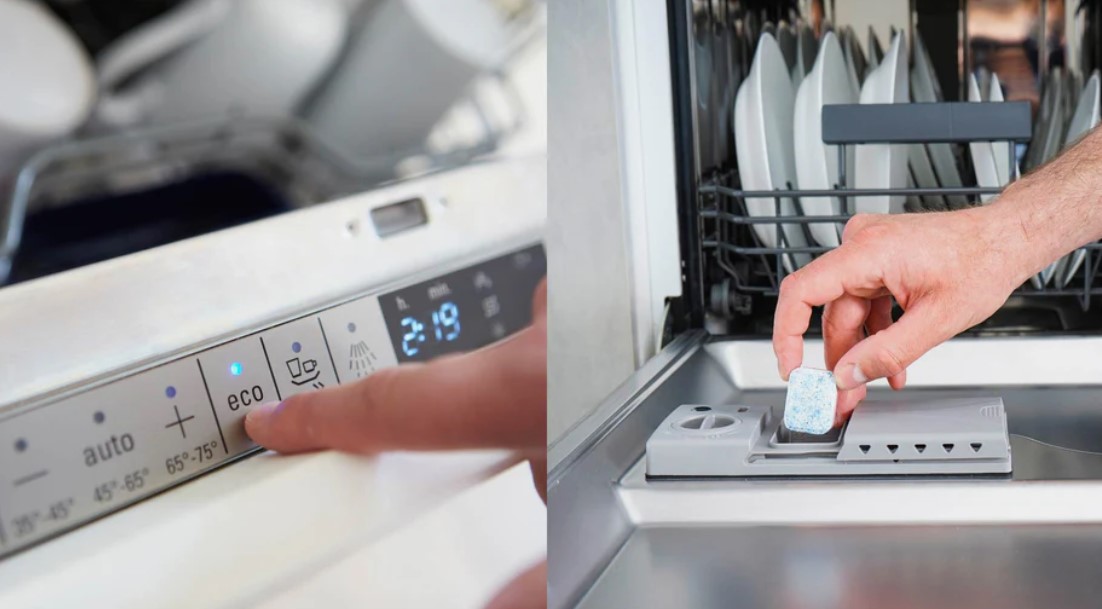
Understanding the Average Lifespan of Dishwashers
The average lifespan of a dishwasher typically ranges from 9 to 16 years, depending on several factors including the brand, model, usage, and maintenance practices.
Factors Influencing Dishwasher Lifespan
- Brand and Model: High-quality brands often use better materials and technology, leading to a longer lifespan.
- Usage Patterns: Frequent use can shorten the lifespan. Dishwashers in households with large families may experience more wear and tear.
- Maintenance: Regular cleaning and timely repairs can significantly extend a dishwasher’s life.
- Water Quality: Hard water can lead to mineral buildup, affecting performance and longevity.
Signs That Indicate a Need for Replacement
Recognizing the signs that your dishwasher may be nearing the end of its lifespan can help you plan for a timely replacement:
- Frequent breakdowns requiring repairs.
- Unusual noises during operation.
- Poor cleaning performance, resulting in dirty dishes.
- Visible rust or corrosion on the interior.
- Increased energy or water bills, indicating inefficiency.
By understanding these aspects, homeowners can make informed decisions on dishwasher care and replacements, ensuring optimal performance throughout its lifespan.

Key Factors Influencing Dishwasher Longevity
The lifespan of a dishwasher can vary significantly based on several factors. Understanding these elements can help you maximize its durability and performance. Below are the key factors influencing dishwasher longevity:
- Quality of Materials: The construction and quality of components, such as the tub, motor, and plumbing, directly impact the dishwasher’s durability. Stainless steel tubs generally last longer compared to plastic ones.
- Usage Frequency: Dishwashers that are used frequently may wear out faster than those used occasionally. Heavy daily usage can lead to quicker deterioration of parts.
- Water Quality: Hard water can lead to mineral buildup in the appliance, affecting its efficiency and lifespan. Regular descaling can mitigate these effects.
- Maintenance Practices: Regular maintenance, including cleaning filters, checking spray arms, and ensuring proper drainage, is crucial to prolonging the lifespan of the dishwasher.
- Operational Practices: Proper loading techniques and the use of appropriate detergents can prevent damage and ensure optimal performance over time.
- Brand and Model: Different brands and models have varying lifespans based on their design and manufacturing standards. Researching reliable brands can inform a more sustainable purchase.
- Installation Quality: Proper installation ensures that the dishwasher operates efficiently. Poor installation can lead to leaks and mechanical failures.
- Care Conditions: Environmental factors, such as humidity and temperature within the installation space, can also impact the dishwasher’s functionality and deterioration rate.
By considering these factors, you can better care for your dishwasher and help extend its operational life. A proactive approach to maintenance and understanding the influence of these elements will ensure your appliance serves you effectively for many years.
Signs Your Dishwasher is Nearing the End of Its Life
Recognizing the signs that your dishwasher is nearing the end of its life can save you time, money, and frustration. Here are some key indicators to keep an eye on:
| Sign | Description |
|---|---|
| Frequent Breakdowns | If your dishwasher requires frequent repairs, it may be more cost-effective to replace it rather than continue fixing it. Multiple issues in a short time span signal an aging appliance. |
| Poor Cleaning Performance | If dishes are consistently coming out dirty or still soiled after a wash cycle, this could indicate failing components such as the spray arm or motor. |
| Excessive Noise | Unusual or loud noises during operation, such as grinding, clanking, or banging sounds, may mean that parts are worn out and could lead to further damage. |
| Water Leakage | Visible leaks around the dishwasher or pooling water on the floor are signs of issues with seals or hoses that may be costly to repair. |
| Strong Odors | Persistent bad smells, even after cleaning the appliance, can indicate a buildup of mold or bacteria or failing components, signaling the need for replacement. |
| Increased Utility Bills | A sudden spike in water and energy bills can suggest that the dishwasher is no longer running efficiently, indicating it may be time for a new unit. |
Early detection of these signs can facilitate informed decisions about whether to repair or replace your dishwasher, ensuring you maintain a reliable and efficient kitchen appliance.
Regular Maintenance Practices for Prolonging Dishwasher Life
Regular maintenance of your dishwasher can significantly extend its lifespan and enhance its performance. Implementing a few simple practices can prevent common issues and help your appliance run efficiently for years.
1. Clean the Filter Regularly
The filter is a crucial component that traps food particles and debris. Cleaning it should be done at least once a month. To do this, remove the filter from the bottom of the dishwasher, rinse it under running water, and scrub it with a soft brush if necessary. A clean filter ensures proper drainage and prevents clogs that can lead to malfunctions.
2. Inspect and Clean Spray Arms
The spray arms distribute water throughout the dishwasher for effective cleaning. Over time, they can become clogged with food particles or mineral deposits. Check the spray arms for blockages and remove them if necessary. Soaking them in vinegar can help dissolve any built-up grime. This maintenance will enhance the dishwasher’s cleaning efficiency.
Additional Care Tips: Run your dishwasher with a cleaning solution or vinegar cycle every few months to remove limescale and residue. Ensure the seals and gaskets around the door are clean and free of debris to prevent leaks. Lastly, maintaining an appropriate water temperature (ideally around 120°F or 49°C) can optimize detergent effectiveness and overall cleaning performance.
Common Repairs and Their Impact on Dishwasher Lifespan
Dishwashers are essential appliances in our kitchens, and over time, they may encounter various issues that necessitate repairs. Understanding common repairs can help homeowners maintain their dishwashers, potentially extending their lifespan.
Regular maintenance and prompt repairs can significantly influence how long a dishwasher lasts. Ignoring minor issues can lead to major problems, resulting in costly repairs or the need for a replacement. Below are some common dishwasher repairs and their potential impact on the appliance’s lifespan:
| Repair Type | Description | Impact on Lifespan |
|---|---|---|
| Door Seal Replacement | Worn or damaged door seals can lead to leaks and inefficient cleaning. | Can extend lifespan by preventing water damage and improving performance. |
| Pump Repair | The pump is responsible for circulating and draining water. A malfunction can cause drainage issues. | Timely repairs can prevent further damage and maintain optimal operation. |
| Heating Element Replacement | The heating element ensures proper water temperature for effective cleaning. | Replacement can restore functionality, enhancing cleaning performance and preventing detergent build-up. |
| Control Panel Repair | The control panel manages wash cycles. Issues here can disrupt operations. | Fixed promptly, it can prolong the machine’s usability and prevent unexpected breakdowns. |
| Spray Arm Replacement | Blocked or broken spray arms can lead to inadequate cleaning. | Replacing them can enhance cleaning efficiency and reduce wear on other components. |
Addressing these common repairs not only improves the dishwasher’s functionality but also aids in prolonging its overall lifespan. Regular checks and maintenance can help catch these issues early, ultimately saving time and money in the long run.
How Usage Patterns Affect Dishwasher Durability
The durability of a dishwasher is significantly influenced by how it is used. Understanding these usage patterns can help homeowners maximize the lifespan of their appliances.
- Frequency of Use:Using a dishwasher daily can lead to more wear and tear compared to occasional use. Frequent cycling can strain the motor and other components, potentially leading to premature failure.
- Loading Practices:How dishes are loaded affects performance. Overloading can block spray arms, reducing cleaning efficiency and forcing the device to work harder. Proper loading ensures optimal water flow and prevents unnecessary strain.
- Type of Dishes:Washing heavy and greasy cookware puts additional stress on the dishwasher. Using the machine primarily for lighter, non-greasy dishes can prolong its life.
- Detergent Usage:Using too much detergent can cause buildup in the machine and lead to clogs and malfunctions. It’s essential to follow manufacturer guidelines for detergent amounts.
- Cycle Selection:Choosing harsher wash cycles for lightly soiled dishes can increase wear on components. Opting for shorter, gentler cycles for routine loads can help maintain the machine’s durability.
- Maintenance Habits:Regular maintenance, such as cleaning filters and inspecting seals, can improve durability. Neglecting maintenance can lead to breakdowns and reduce the appliance’s lifespan.
In summary, being mindful of usage patterns–like frequency, loading practices, and maintenance–can have a significant impact on the durability of your dishwasher. Implementing best practices can result in a longer lifespan and enhanced performance of the appliance.
When to Replace vs. Repair Your Dishwasher
Deciding whether to repair or replace your dishwasher can be a challenging task, especially when faced with unexpected breakdowns. Several factors play a crucial role in making this decision.
First, assess the age of the dishwasher. Typically, dishwashers last between 9 to 12 years. If your appliance is nearing or has surpassed this age, replacement may be more cost-effective in the long run, as newer models often offer improved efficiency and features.
Next, evaluate the cost of repairs. A general rule of thumb is if the repair costs exceed 50% of the price of a new dishwasher, replacement is often the better choice. This rule helps prevent ongoing repairs that may add up over time without resolving the underlying issues.
Consider the nature of the problem. Minor issues such as a clogged filter or a malfunctioning spray arm may warrant a simple repair. However, significant problems like a faulty motor or a damaged main circuit board might indicate deeper issues, suggesting that replacing the unit may be wise.
Energy efficiency is another key factor. Older dishwashers tend to consume more water and electricity. If your current model lags behind the energy ratings of newer appliances, switching can lead to significant savings on utility bills, benefitting you financially in the long run.
Lastly, think about the reliability of the brand and model. Some brands are known for their longevity, while others may have a history of repeated issues. Researching the specific model’s reliability can help you make a more informed decision.
In summary, careful evaluation of the dishwasher’s age, repair costs, nature of the problem, energy efficiency, and brand reliability will assist you in deciding whether to repair or replace your dishwasher.
Energy Efficiency Considerations in Older Dishwashers
Older dishwashers, while still functional, often lag behind modern models in terms of energy efficiency. This discrepancy can significantly impact both utility bills and environmental considerations. Understanding how age affects energy consumption is crucial for homeowners looking to assess their appliances.
Energy Consumption of Older Models
Many older dishwashers were manufactured before stringent energy efficiency standards were established. As a result, they tend to use more water and electricity compared to newer, Energy Star-rated dishwashers. On average, older models can consume up to 10-15 gallons of water per cycle, whereas newer versions may use only 3-5 gallons. This increased water usage not only raises utility costs but also contributes to higher energy consumption due to the added requirement for heating water.
Upgrading Benefits and Considerations
Upgrading to a newer, more energy-efficient dishwasher can yield substantial savings over time. Modern units incorporate advanced technologies such as soil sensors and improved spray arms, optimizing water use and energy consumption. Beyond savings, these appliances often provide enhanced cleaning performance. When considering an upgrade, evaluate your usage patterns and calculate the potential return on investment based on energy savings and water efficiency.
In conclusion, while older dishwashers may still serve their purpose, evaluating their energy efficiency can lead to better choices for both your wallet and the environment.
Choosing the Right Replacement Dishwasher for Longevity
Selecting a dishwasher is a crucial decision that impacts long-term performance and reliability. When looking for a replacement, prioritize models known for their durability and efficient operation. Start by researching reputable brands with a history of producing reliable appliances. Brands with strong customer reviews often indicate better longevity.
Consider the type of dishwasher that best fits your needs. Built-in models typically offer more robust construction compared to portable versions. Additionally, ensure that the chosen model has high energy efficiency ratings. Energy-efficient dishwashers not only save on utility bills but often feature improved technology that enhances longevity.
Look for advanced features such as stainless steel interiors and solid insulation, which contribute to better durability. Stainless steel is less prone to chipping and cracking compared to plastic materials. Insulation helps maintain optimal temperatures, reducing wear on components. Pay attention to warranty details; a longer warranty period often signifies the manufacturer’s confidence in their product’s durability.
Ensure you assess the size and capacity of the dishwasher. A model that matches your household needs reduces the risk of overloading or frequent repairs. Additionally, check for user-friendly maintenance features like self-cleaning filters and easy access to components that may need occasional servicing.
Lastly, read detailed reviews and ratings from existing users to gauge real-world performance. Understanding common issues faced by users can help inform your choice and lead to a more satisfying long-term investment. By taking these factors into consideration, you can select a dishwasher that not only meets your immediate needs but also stands the test of time.
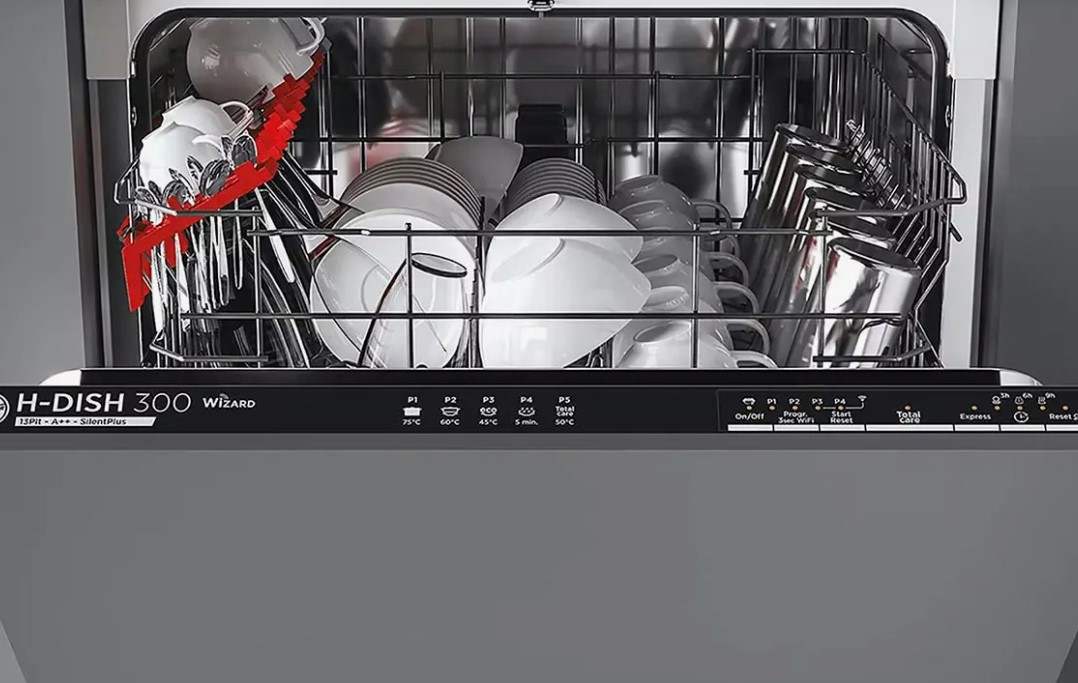
Tips for Proper Installation and Setup of a New Dishwasher
Installing a new dishwasher may seem straightforward, but careful attention to detail is essential for optimal performance and longevity. Here are some practical tips to ensure your appliance is installed correctly.
1. Choose the Right Location: Make sure the dishwasher is situated near the kitchen sink and plumbing connections. This reduces the length of the water supply and drainage hoses, minimizing the risk of leaks and improving efficiency.
2. Check Compatibility: Before purchasing a dishwasher, confirm that it fits well in the designated space. Measure the height, width, and depth of the opening, accounting for any cabinetry or countertops above. Ensure that your electrical and plumbing connections are compatible with the new unit.
3. Prepare the Area: Clear the installation area of any debris, old plumbing fixtures, or appliances. Ensure the floor is level, as an uneven surface can cause operational issues and leaks.
4. Read the Manual: Each dishwasher model comes with specific installation instructions. Review the manual carefully before starting. This will provide valuable information regarding electrical connections, plumbing requirements, and recommended care.
5. Handle Connections Safely: When connecting the water supply line, use a new hose and ensure it is tightened securely to prevent leaks. For the drain hose, position it at the correct height according to the manufacturer’s directions to avoid backflow and ensure proper drainage.
6. Electrical Connections: If your dishwasher requires hardwiring, it’s best to hire a professional electrician. However, if using a plug-in design, ensure the outlet is easily accessible and meets the power requirements of the appliance.
7. Level the Dishwasher: Adjust the dishwasher’s feet to ensure it is perfectly level from side to side and front to back. This step is critical for proper door operation, drainage, and performance.
8. Secure to Cabinets: If applicable, fasten the dishwasher to adjacent cabinetry using the provided brackets to prevent movement during use. This adds stability and extends the life of your appliance.
9. Perform a Test Run: After installation, run a short cycle without any dishes to check for leaks and ensure all components are functioning correctly. This will help identify any installation issues before putting your new appliance to regular use.
10. Maintain Regular Checks: Once installed, periodically inspect connections, hoses, and the appliance itself for any signs of wear or leakage. Early detection can prevent significant issues down the road.
Q&A – How long do dishwashers last:
What is the typical lifespan of a dishwasher?
The average lifespan of a dishwasher ranges from 9 to 15 years, depending on the brand, model, and maintenance. On the lower end, budget models may need replacement after 9 years, while high-end or well-maintained models can last up to 15 years or more. Regular upkeep, such as cleaning filters and inspecting seals, can prolong the appliance’s life.
How can I extend the life of my dishwasher?
To extend your dishwasher’s lifespan, consider these care tips: regularly clean the interior and utensils, check and clean the filter, inspect the spray arms for food debris, and maintain proper loading practices to avoid overloading. Additionally, using the right detergent and running the dishwasher on a regular basis can also help maintain its functionality and prevent issues.
What are the signs that it’s time to replace my dishwasher?
There are several indicators that it might be time to replace your dishwasher. Look for signs such as unusual noises during cycles, inconsistent cleaning results, leaks under the appliance, or if your energy bills have increased unexpectedly. If your appliance is over 10 years old and experiencing these issues, it may make sense to invest in a new model.
Are there specific maintenance tasks I should perform regularly?
Yes, regular maintenance tasks include cleaning the filter at least once a month, wiping down the door seals, and running a cleaning cycle with a dishwasher cleaner every few months. Additionally, inspecting the spray arms for clogs and checking the water inlet valve can help keep your dishwasher running smoothly. Finally, do not forget to check the drain area to ensure it is free from food particles and debris.
How do I choose a replacement dishwasher?
Choosing a replacement dishwasher involves several factors. First, consider the size and capacity that fits your kitchen space and family needs. Look for energy-efficiency ratings to save on utility bills. Compare features such as noise levels, wash cycles, and smart technology. Additionally, read reviews and check warranty options to ensure you’re making a well-informed decision. Visiting a retail store to see the models in person can also help in making your choice.
What is the typical lifespan of a dishwasher?
The average lifespan of a dishwasher ranges from 9 to 12 years, although this can vary based on several factors. Different brands and models might offer different durability levels, and how often the dishwasher is used also plays a role in its longevity. Regular maintenance and care, such as keeping the filter clean and ensuring the spray arms aren’t clogged, can enhance its lifespan significantly.
How can I extend the life of my dishwasher?
To prolong the life of your dishwasher, consider following these maintenance tips: first, regularly clean the filter to remove debris that can cause blockages. Next, check the spray arms for clogs and ensure they can rotate freely. Use high-quality detergents that are appropriate for your dishwasher model, and avoid overloading the unit to prevent strain on the motor and seals. Additionally, periodically inspect and clean the door seals to prevent leaks, and consider running a cleaning cycle with a dishwasher cleaner to remove any limescale or buildup that might affect performance. By following these guidelines, you can help your dishwasher operate smoothly for a longer time.
Looking for trusted APPLIANCE REPAIR in San Jose for you? Our certified technicians offer fast, affordable, and reliable fixes for all your home appliances — because your time and comfort matter most!