Small appliance repair knowledge can save both time and money, allowing homeowners to tackle issues without the need for professional assistance when these essential devices malfunction. In every household, small appliances play a crucial role in simplifying daily tasks, from brewing coffee to cleaning floors. However, when these devices malfunction, it can disrupt routines and lead to frustration. Understanding how to perform basic repairs is key to quick resolution.
This article will explore common problems encountered with small appliances and provide practical, step-by-step solutions for quick fixes. Whether it’s a malfunctioning blender, a toaster that refuses to toast, or a vacuum cleaner that loses suction, these tips will empower you to diagnose and resolve issues efficiently.
Equipped with the right knowledge and tools, anyone can become adept at small appliance repair. We will highlight safety precautions, necessary tools, and maintenance tips to prolong the lifespan of your devices. By the end of this guide, you will be ready to address minor issues that can arise with your everyday appliances, bringing convenience back into your life.
Small Appliance Repair: Fast Fixes for Everyday Home Appliances
Small appliances are essential for daily tasks, but they can encounter issues that disrupt their functionality. Quick repairs can save time and money compared to replacing the entire device. Below are some fast fixes for commonly used small appliances.
1. Toaster
If your toaster is not heating, first check the power outlet by plugging in another device. If it works, inspect the toaster for any crumbs or debris obstructing the heating elements. Unplug the toaster and use a soft brush or compressed air to clean it thoroughly.
2. Blender
A blender that won’t start might have a faulty lid sensor. Ensure the lid is securely in place. Additionally, check if the blender’s motor base is clean and free from any residue. If it still doesn’t work, inspect the power cord for any damage or breaks.
3. Coffee Maker
Regularly cleaning your coffee maker can resolve brewing problems. Use a vinegar solution to descale the interior. Fill the reservoir with equal parts of vinegar and water, run a brewing cycle, then rinse with plain water to eliminate any residual taste.
4. Microwave
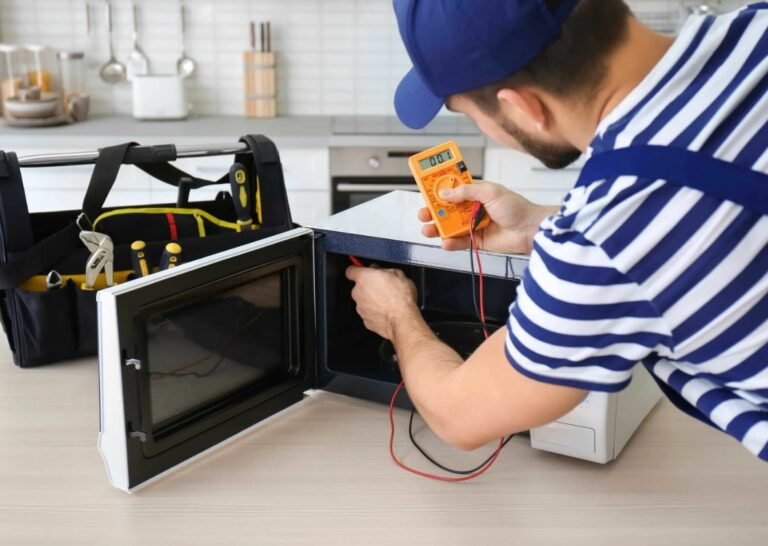
If your microwave isn’t heating, ensure that the door closes properly and that the door switch is functioning. A faulty diode or magnetron could also be the culprit. If you are comfortable with repairs, check these components; otherwise, seek professional help.
5. Vacuum Cleaner
If your vacuum cleaner has lost suction, check the filters for clogs and clean or replace them if necessary. Inspect the hose for blockages and clear any obstructions found. Ensure the roller brush is free of hair and debris for optimal performance.
6. Electric Kettle
An electric kettle that won’t turn on may have a broken switch or wiring issue. First, check the power source. If the kettle is not heating, check for lime scale build-up in the interior, and perform a thorough cleaning with vinegar or a descaling solution.
Quick Reference Table for Common Problems
| Appliance | Common Problem | Fast Fix |
|---|---|---|
| Toaster | Not heating | Clean heating elements and check power source. |
| Blender | Won’t start | Ensure lid is secured and check power cord. |
| Coffee Maker | Not brewing | Descale with vinegar solution. |
| Microwave | Not heating | Check door switch and seek professional help if necessary. |
| Vacuum Cleaner | Loss of suction | Clean filters and clear hose blocks. |
| Electric Kettle | Not turning on | Check switch and clean for lime scale. |
These fast fixes can help you quickly troubleshoot small appliance issues, enhancing their longevity and performance. Regular maintenance is key to avoiding most common problems.
Diagnosing Common Issues with Toasters
Toasters are essential kitchen appliances, but they can develop issues over time. Identifying and diagnosing these problems can help restore their functionality quickly.
One common issue is the toaster not heating up. If the appliance remains cold, check the power source. Ensure it is plugged in and the outlet is functioning. Try testing another device in the same outlet to confirm it is providing power. If the outlet works, inspect the power cord for any signs of damage. A faulty cord may require replacement.
Another frequent problem is uneven toasting. If one side of the toast is darker than the other, it could be due to a dirty or malfunctioning heating element. Inspect the heating elements for crumbs or debris. Cleaning the toaster thoroughly can often resolve this issue. If uneven toasting persists, the heating elements may need to be replaced.
Some toasters may exhibit a failure to pop up. If the toast remains stuck inside, check the lever mechanism. A malfunctioning lever may not release the toast after the timer expires. Inspecting and cleaning the lever area can often resolve the problem. If it does not work, consider replacing the lever mechanism.
Lastly, a burning smell may indicate overheating or burnt crumbs inside the toaster. Immediately unplug the appliance and clean out any trapped crumbs. If the smell continues after cleaning, there could be an issue with the thermostat. A malfunctioning thermostat may cause overheating and would require professional repair or replacement.
By diagnosing these common issues, you can troubleshoot your toaster effectively, ensuring it returns to optimal performance without unnecessary delay.
How to Clean and Maintain Your Coffee Maker
Regular cleaning and maintenance of your coffee maker are essential to ensure optimal performance and the best tasting coffee. Here are steps to effectively clean and maintain your coffee maker.
1. Daily Cleaning: After each use, empty the coffee grounds and rinse the filter basket with warm water. Wipe down the carafe with a mild detergent and dry it thoroughly to prevent buildup.
2. Weekly Cleaning: Once a week, perform a more thorough clean. Soak the brew basket, carafe, and filter holder in warm soapy water. Rinse all components thoroughly to remove soap residue. This helps eliminate any lingering oils and prevents stale flavors.
3. Deep Cleaning: Every month, deep clean your coffee maker using a mixture of equal parts vinegar and water. Fill the water reservoir with this solution and run a brewing cycle without coffee. After the cycle, run two or three cycles with clean water to flush out any vinegar residue.
4. Descaling: If you live in an area with hard water, descale your machine every few months. You can use a commercial descaling solution or regular vinegar. Follow the same procedure as the deep cleaning process to remove mineral buildup.
5. Check the Parts: Regularly inspect the coffee maker for any worn or damaged parts. Replace filters, if applicable, and ensure that the heating element is functioning properly. Keeping the internal mechanics in good condition ensures longevity.
6. Store Properly: If you do not use your coffee maker daily, store it in a dry place. Ensure all components are clean and dry before putting it away. This prevents mold and unpleasant odors.
7. Follow Manufacturer’s Instructions: Always refer to the manufacturer’s manual for specific cleaning recommendations and maintenance schedules for your particular model.
Consistent care and timely cleaning will enhance the performance of your coffee maker and extend its lifespan, providing you with delicious coffee for years to come.
Replacing the Cord on Electric Kettles
Electric kettles provide a convenient way to boil water, but they are often subjected to wear and tear, particularly the power cord. A damaged cord can pose safety hazards, making replacement a necessary task. Below is a step-by-step guide to help you replace the cord on your electric kettle.
Tools and Materials Needed
Before starting, gather the following tools and materials:
- Replacement power cord (make sure it matches the voltage and specifications of your kettle)
- Screwdriver (usually Phillips or flathead, depending on your kettle)
- Wire cutters/strippers
- Electrical tape
- Soldering iron (optional, for soldered connections)
Steps to Replace the Cord
Step 1: Unplug the Kettle
Ensure the kettle is unplugged from the power outlet to prevent any electrical hazards.
Step 2: Disassemble the Kettle
Remove any screws securing the kettle’s base using the screwdriver. Carefully lift the bottom cover to expose the internal wiring.
Step 3: Locate the Old Cord
Identify where the power cord connects to the kettle’s internal components. Take note of the connections before disconnecting, as you will need to replicate these for the new cord.
Step 4: Disconnect the Old Cord
Use wire cutters to snip the old power cord at the points where it connects to the internal wiring. Strip about half an inch of insulation from the ends of the new cord.
Step 5: Connect the New Cord
Attach the new cord to the kettle using either twisting the wires together or soldering them for a more secure connection. Ensure that the colors of the wires match (typically brown for live, blue for neutral in some regions), and wrap any exposed connections with electrical tape for safety.
Step 6: Reassemble the Kettle
Carefully place the kettle’s bottom cover back on and secure it with the screws you previously removed. Make sure no wires are pinched during this step.
Step 7: Test the Kettle
Plug the kettle back into the outlet and test it to ensure it operates correctly. Check for any unusual sounds or odors, which may indicate improper connections.
Replacing the power cord on your electric kettle can extend its life and improve safety. By following these steps, you can tackle this repair with confidence and enjoy your kettle for years to come.
Troubleshooting Problems with Food Processors
Food processors are versatile kitchen appliances, but they can occasionally encounter issues. Here are common problems and troubleshooting steps to help you get your food processor back in working condition.
- Processor Won’t Start
- Check if the food processor is plugged in securely.
- Inspect the power outlet by testing it with another appliance.
- Ensure that the bowl and lid are attached correctly; most models have safety features preventing operation without proper assembly.
- Motor Overheating
- Allow the motor to cool down by taking a break during extended use.
- Check for blockages in the bowl or under the blade; remove any food debris that may be causing excess strain.
- When grinding denser items, consider processing in smaller batches.
- Food Doesn’t Chop Evenly
- Ensure that the ingredients are cut into uniform sizes before processing.
- Do not overload the bowl; refer to the manufacturer’s guidelines for maximum capacity.
- Use the pulse function to control the chopping process more effectively.
- Excessive Noise During Operation
- Check for loose parts or components that may need tightening.
- Examine the blade and attachment for wear or damage; replace if necessary.
- Ensure that the food processor is placed on a stable surface to minimize vibrations.
- Food Sticking to the Bowl
- Try lightly oiling the bowl before use to reduce sticking.
- Consider using ingredients that are less sticky or moist.
- Scrape down the sides of the bowl periodically while processing for more even results.
By following these troubleshooting steps, you can address some of the most common issues faced by food processors. Regular maintenance and correct usage will also help prolong the lifespan of your appliance.
Quick Fixes for Broken Hand Mixers
Hand mixers are essential kitchen appliances that can make cooking and baking easier. However, they can sometimes malfunction. Here are some quick fixes for common issues with hand mixers.
1. Mixer Won’t Turn On
If your hand mixer doesn’t power on, check the power source first. Make sure it is plugged into a functioning outlet. If it still doesn’t work, examine the cord for any visible damage. Replace the cord if necessary, or consider having a professional repair it.
2. Overheating
Overheating can occur if the mixer is used continuously for prolonged periods. Allow the mixer to cool down before using it again. Make sure you are not overloading it with heavy mixtures, which can cause motor strain. If overheating persists, it may indicate a more serious internal issue that requires professional service.
3. Beaters Not Spinning
When the beaters don’t spin, ensure they are securely attached. Remove the beaters and check the attachment points for any blockages or debris. Cleaning the mixer may resolve the issue. If the beaters are still not working after cleaning, check the motor gears for damage.
4. Unpleasant Noises
Strange noises can be a sign of loose or damaged components. Inspect the mixer for any loose screws and tighten them. If the noise continues, it may indicate worn-out gears or bearings. In such cases, professional servicing is recommended.
5. Speed Settings Malfunction
If the speed settings do not work correctly, check the control switch for any stuck positions. Clean around the switch area to remove any buildup. If the problem persists, the speed control circuitry might need to be repaired or replaced.
6. Odors or Burning Smell
A burning smell is often a warning sign of an electrical issue. Immediately unplug the mixer and stop using it. Inspect the interior for any signs of damaged wiring, burned components, or debris. If any issues are found, seek professional assistance right away.
Regular maintenance can also prolong the life of your hand mixer. Clean it thoroughly after each use, ensuring there are no remnants left behind. Being proactive can help prevent some of these common problems.
Repairing Leaks in Your Electric Can Opener
Electric can openers are convenient kitchen appliances, but they can develop leaks over time. Addressing these leaks quickly can prevent further damage and ensure your appliance works efficiently. Here’s a step-by-step guide to diagnosing and repairing leaks in your electric can opener.
Common Causes of Leaks:
- Worn Seals: Over time, the rubber seals that keep liquids contained can degrade.
- Damaged Gaskets: Gaskets can wear out due to regular usage or improper cleaning.
- Faulty Components: Internal parts such as the drive shaft might become loose or damaged.
Tools and Materials Required:
- Screwdriver (Phillips or flathead, depending on your model)
- Replacement seals or gaskets
- Cleaning cloth
- Silicone lubricant
- Sealant (if necessary)
Step-by-Step Repair Process:
- Unplug the Can Opener: Safety is paramount. Disconnect the device from the power source before proceeding.
- Inspect for Damage: Examine the exterior and interior of the can opener. Look for worn seals and gaskets.
- Disassemble the Can Opener: Use a screwdriver to carefully remove screws. Keep them in a safe place for reassembly.
- Replace Worn Parts: If the seals or gaskets are damaged, remove them and install new ones. Ensure they fit snugly to prevent leaks.
- Apply Lubrication: Use silicone lubricant on any moving parts to enhance performance and prolong lifespan.
- Reassemble the Can Opener: Carefully reattach all components in reverse order and ensure everything is tightened adequately.
- Test for Leaks: Plug in the can opener and perform a test run using a can of your choice. Check for any signs of leakage.
Preventive Measures:
- Regularly clean your can opener to prevent residue buildup that may contribute to leaks.
- Store the can opener properly when not in use to avoid unnecessary wear on seals.
- Check the seals periodically and replace them if you notice any signs of wear.
By following these steps, you can effectively repair leaks in your electric can opener and ensure its longevity and performance. Regular maintenance will keep your appliance running smoothly and prevent future issues.
Replacing Bulbs in Countertop Blenders
Countertop blenders often come equipped with built-in lights to indicate the blending status or to illuminate the blending jar. Over time, these bulbs can burn out, requiring replacement to restore functionality and convenience. This guide will help you replace the bulbs in your countertop blender safely and effectively.
Before beginning, ensure that the blender is unplugged to prevent accidental activation. Gather the necessary tools: a screwdriver, a replacement bulb, and a clean, dry cloth for any cleaning needed.
Start by removing the blender base. Depending on your model, this may involve unscrewing screws located at the bottom or sides of the base. Carefully lift off the base to access the internal components. Take note of where each screw belongs to simplify reassembly later.
Locate the burnt-out bulb. It is usually housed in a small socket that may be secured with clips or screws. If necessary, consult the user manual for specific instructions related to your blender model.
Gently remove the old bulb by either unscrewing it or carefully releasing it from the socket. Avoid applying excessive force, as this could damage the surrounding components. Once the old bulb is removed, compare it with the new one to ensure compatibility.
Insert the replacement bulb into the socket, making sure it fits snugly. If the bulb is secured with clips or screws, fasten it properly to ensure that it remains in place during operation.
Reassemble the blender base by aligning it correctly and securing it with the screws removed earlier. Double-check all connections to ensure nothing is loose or improperly installed. Plug the blender back in and test the new bulb by activating the blender to confirm that it lights up as expected.
If the new bulb does not work, recheck all connections and inspect for potential issues with the socket or wiring. If problems persist, it may be time to consult a professional technician for further assistance.
Regularly inspect the bulb function in your countertop blender to preemptively replace any burnt-out bulbs and maintain optimal operation.
How to Fix a Stuck Lid on Your Slow Cooker
A stuck lid on your slow cooker can be frustrating, especially when you are eager to check on your meal. This issue often arises due to food particles, steam buildup, or simply a misalignment. Here’s a step-by-step guide to help you resolve this problem efficiently.
Step 1: Assess the Situation
Before attempting to force the lid open, examine the slow cooker. Check for any visible obstructions around the rim or any food residues that may be causing the lid to stick. Once identified, clean the area gently with a damp cloth to remove any debris.
Step 2: Apply Gentle Force
If cleaning does not solve the issue, you may need to apply gentle pressure. Use both hands to grip the lid firmly but cautiously. Twist the lid slightly while pulling upwards to help loosen it. Avoid excessive force, as this could damage the lid or slow cooker. If the lid remains stuck, try warming the appliance slightly to expand the materials. You can do this by unplugging the cooker and placing it in a warm area for a few minutes.
In cases where the lid is still refusing to budge, consider using a flat utensil, like a spatula or butter knife, to gently pry open the lid along the edges. Ensure you do this carefully to avoid scratching the surface.
By following these steps, you can often fix a stuck lid on your slow cooker without any major hassle and resume cooking your favorite dishes.
Identifying and Fixing Heating Problems in Rice Cookers
Rice cookers are essential appliances in many kitchens, but they can encounter heating issues that affect their performance. Identifying and fixing these problems can often be accomplished with some basic troubleshooting techniques.
Here are common heating problems and steps to resolve them:
- Cooker Does Not Heat Up
- Check the Power Source: Ensure the rice cooker is plugged in and the outlet is functional. Test the outlet with another device if necessary.
- Inspect the Cord: Examine the power cord for any visible damage such as frays or breaks. If damaged, replace the cord or the entire cooker.
- Reset the Cooker: Some models have a thermal fuse that can trip. Unplug the cooker for a few minutes and plug it back in to reset.
- Inconsistent Cooking Temperatures
- Calibration: Some rice cookers may lose calibration over time. Refer to the manufacturer’s manual to recalibrate the appliance.
- Check the Heating Element: Inspect the heating element for any signs of wear or damage. If it appears burnt out, it may need to be replaced.
- Clean the Base: Food debris can accumulate on the bottom of the cooker, obstructing the heating element. Regularly clean the base to prevent this.
- Rice Not Cooking Properly
- Water Ratio: Incorrect water measurements can lead to undercooked or overcooked rice. Refer to cooking instructions for precise ratios.
- Check the Lid Seal: A poor seal can allow steam to escape. Ensure the lid closes properly, and clean the sealing ring if necessary.
Performing these checks and fixes can often restore your rice cooker to proper working condition. Regular maintenance and attention to detail are vital in prolonging the life of your appliance.
Repairing Malfunctions in Electric Grills
Electric grills are convenient kitchen appliances that allow for quick and easy cooking. However, they can experience various malfunctions over time. Below are common issues and their solutions.
1. Grill Not Heating Up
One of the most common problems is that the grill fails to heat up. First, ensure that the appliance is properly plugged in and the outlet is functional. If the outlet is working, check the power cord for any visible damage. If the cord appears intact, the issue may lie within the thermostat or heating element. Test the heating element with a multimeter for continuity; if it shows no continuity, it needs to be replaced.
2. Uneven Cooking
Uneven cooking can be caused by a faulty temperature control or inadequate preheating. To troubleshoot, allow the grill to preheat for the recommended time. If the issue persists, inspect the temperature control dial for any damages or obstructions. If it appears to be malfunctioning, consider replacing it. Additionally, ensure that the grill plates are clean and free from residue, as this can also affect heat distribution.
3. Smoke Production
Excessive smoke may indicate that food particles are trapped within the grill. Regular cleaning should prevent this, but if the problem continues, check the grease drip tray for clogs. If the tray is full or blocked, empty and clean it. Moreover, using too much oil while cooking can contribute to smoke production. Adjusting the amount of oil used can mitigate this issue.
4. Control Panel Malfunctions
If the control panel is unresponsive, inspect for any loose connections. Unplug the grill and open the housing to check the wiring. If connections are secure and the panel still does not function, it may require replacement. Always ensure the appliance is disconnected from power before attempting any repairs.
5. Non-Removable Plates
Cleaning grills with non-removable plates can be cumbersome. For grills that are designed as such, utilize a damp cloth or sponge to wipe down the surfaces while they are still warm (not hot). For tougher stains, a mixture of baking soda and water can help break down residues. Always refer to the user manual for cleaning recommendations specific to your model.
Regular maintenance and timely repairs can significantly enhance the lifespan of your electric grill. By addressing these common issues promptly, you can enjoy delicious grilled meals without interruption.
Restoring Functionality to Your Electric Skillet
An electric skillet is a versatile kitchen appliance, perfect for frying, sautéing, and even baking. However, like any appliance, it can face issues over time. Here are some common problems and their fast fixes to restore its functionality.
| Problem | Possible Cause | Solution |
|---|---|---|
| Skillet not heating | Power cord issues | Inspect the power cord for fraying or damage. Replace if necessary. |
| Uneven heating | Dirty heating element | Clean the heating element with a damp cloth to remove food residue. |
| Temperature control malfunction | Faulty thermostat | Test the thermostat with a multimeter. Replace if it shows no continuity. |
| Non-stick surface peeling | Overheating or improper cleaning | Stop using metal utensils and switch to silicone or wooden ones. Replace the skillet if the surface is severely damaged. |
| Smoke or burning smell | Food particles caught in the heating element | Unplug and allow the skillet to cool, then clean thoroughly to remove any debris. |
Regular maintenance can prolong your electric skillet’s lifespan. Always follow the manufacturer’s instructions for cleaning and care to prevent common issues.
Q&A — Small appliance repair :
What common issues can occur with small appliances?
Small appliances often face several issues that can disrupt their functionality. For instance, toasters may fail to heat due to a broken heating element or issues with the power cord. Coffee makers might leak water or not brew properly due to clogged pipes or a faulty pump. Blender blades can get stuck or become dull, leading to inefficient blending. Additionally, microwaves can stop working due to blown fuses or malfunctioning control panels. Identifying these common problems can guide you to simple fixes or professional assistance.
How can I fix my vacuum cleaner that won’t start?
If your vacuum cleaner won’t start, begin by checking the power source. Make sure it is plugged in securely and test the outlet with another device to ensure it’s working. Inspect the vacuum’s power cord for any damage, and check the on/off switch for functionality. If the vacuum has a bag or canister, ensure it’s not full as many models have safety features that prevent operation when debris levels are high. If these steps don’t resolve the issue, it may be necessary to open the unit and check for internal blockages or faulty components.
What tools do I need for small appliance repairs?
To effectively tackle small appliance repairs, you should have a basic toolkit that includes several essential tools. A screwdriver set (both flathead and Phillips) is crucial for opening appliance casings. Pliers will help grasp and pull hard-to-reach components. Wire cutters or a wire stripper can be useful for electrical repairs. Additionally, a multimeter is valuable for testing electrical continuity. Lastly, having some duct tape and a hot glue gun can aid in temporary fixes for non-electrical problems. With these tools, you’ll be well-equipped to handle many common repairs.
Are there risks involved in repairing small appliances myself?
Yes, there are inherent risks to consider when repairing small appliances on your own. The main concern is electrical safety; appliances that are plugged in can cause shock if improperly handled. It’s important to unplug the device before you start any repairs. Additionally, some appliances may contain sharp edges or hot components that can lead to injury. If you are uncertain about a repair, it’s wise to consult a professional. Furthermore, repairing an appliance may void its warranty, so always check warranty conditions before proceeding with DIY repairs.
When should I seek professional help instead of trying to fix the appliance myself?
If you encounter a problem that involves complex electrical issues, such as malfunctioning circuits or persistent problems after you’ve tried basic fixes, it’s time to consult a professional. Additionally, if your appliance is under warranty, attempting a repair may void that warranty, making professional service the better choice. If the appliance is old and the repair costs exceed the price of a new unit, it might be more economical to replace it. Lastly, if you feel uncomfortable or lack the necessary tools or knowledge, seeking expert help is advisable to prevent further issues.
Choose APPLIANCE REPAIR in San Jose for you today and get fast, dependable service from technicians who truly care about your comfort — schedule your appointment now and restore your home’s convenience in no time.