Most reliable refrigerator brand has always been a significant concern for homeowners, especially with the rise in various models and features available in the market. Understanding which brands stand out in terms of reliability can save consumers from the hassles of frequent repairs and replacements. In this article, we will delve into expert ratings and reviews for 2024, highlighting leading brands based on performance, durability, and customer satisfaction.
With technology evolving rapidly, today’s refrigerators not only preserve food but also come equipped with smart features that enhance convenience. However, reliability remains a core factor that should be prioritized when investing in such an essential appliance. Our comprehensive analysis brings together insights from appliance experts, user reviews, and reliability studies to provide a clear picture of the top contenders in the refrigerator market for 2024.
Join us as we explore the intricacies of refrigerator performance, assess consumer feedback, and ultimately guide you toward making an informed decision on the most reliable refrigerator brand that meets your needs in this ever-changing landscape of home appliances.
Most Reliable Refrigerator Brand: Expert Ratings and 2024 Review
Choosing a refrigerator is a significant decision, and reliability plays a crucial role in that choice. Based on expert ratings and consumer feedback for 2024, several brands have emerged as leaders in reliability.
Whirlpool continues to top the charts for reliability. Known for its durable construction and long-lasting performance, Whirlpool refrigerators often feature spacious interiors and user-friendly designs. Experts note that low repair rates and high customer satisfaction ratings contribute to its reputation.
LG, another standout, is praised for its innovative technology and energy efficiency. Many consumers appreciate features like smart connectivity and a variety of styling options. The brand’s commitment to quality has earned it high marks in reliability studies.
Samsung has made significant strides in reliability, particularly with its recent lineup. Expert reviews highlight the brand’s focus on modern design and efficiency, making it a popular choice among tech-savvy consumers. Repair rates have decreased, reflecting improved quality control measures.
Frigidaire is also noteworthy for its affordable yet dependable options. This brand is often recommended for those seeking budget-friendly models without sacrificing quality. Expert reviews emphasize the balance of performance and price, making it a reliable choice for many households.
According to consumer reports for 2024, brand reliability can vary based on specific models rather than just the brand itself. Therefore, potential buyers are encouraged to research individual ratings and reviews for specific models within these brands.
In conclusion, the most reliable refrigerator brands for 2024 include Whirlpool, LG, Samsung, and Frigidaire. Each brand offers unique features and strengths, allowing consumers to find a model that fits their needs while ensuring reliability and longevity.
Understanding Key Features of Reliable Refrigerators
When selecting a reliable refrigerator, several key features must be considered to ensure optimal performance, longevity, and efficiency. Here are the main attributes that define a dependable refrigerator:
1. Energy Efficiency
Energy efficiency is crucial for both environmental impact and managing utility bills. Look for refrigerators with:
- Energy Star Certification: This indicates that the appliance meets energy efficiency guidelines set by the U.S. Environmental Protection Agency.
- Inverter Technology: This technology allows the compressor to run at variable speeds, reducing energy consumption.
2. Build Quality and Durability
The materials and construction of a refrigerator play a significant role in its reliability. Key aspects include:
- Stainless Steel Exteriors: Offers resistance to dents and rust, ensuring a long lifespan.
- High-Quality Components: Good refrigerators use durable compressors, circuit boards, and insulation material to withstand wear and tear.
Investing in these features will help ensure that your refrigerator remains functional and efficient over time.
3. Temperature Control and Storage
A reliable refrigerator should maintain consistent temperatures and provide flexible storage options. Consider the following:
- Adjustable Shelving: Allows users to customize storage space to accommodate various food sizes.
- Rapid Cooling Function: Quickly lowers the temperature after placing warm items inside, preserving food quality.
Overall, assessing these features will enable you to choose a refrigerator that effectively meets your needs while providing reliability and efficiency. Making an informed decision based on these characteristics will lead to a satisfying kitchen appliance experience.
Top Refrigeration Brands Ranked by Consumer Reports 2024
The 2024 rankings of the most reliable refrigeration brands by Consumer Reports provide valuable insights for consumers looking to purchase a new refrigerator. These brands have been evaluated based on performance, durability, customer satisfaction, and value for money, ensuring that buyers receive high-quality products that meet their needs.
1. Liebherr
Liebherr stands out as a leader in the refrigeration market, known for their energy-efficient models and innovative designs. Their commitment to quality and sustainability has earned them the top spot in Consumer Reports. Customers praise their quiet operation and spacious interiors, making them suitable for any household.
2. Bosch
Bosch ranks high due to its reliability and user-friendly features. With a focus on modern aesthetics and functionality, Bosch refrigerators come equipped with advanced technology that enhances food preservation and storage. Consumer satisfaction ratings reflect their consistent performance and durability over time.
Other notable brands, such as Samsung and LG, have also made a mark in the rankings, appealing to tech-savvy consumers with smart features and innovative designs. However, Liebherr and Bosch remain the frontrunners, emphasizing quality and consumer satisfaction in the highly competitive refrigeration market of 2024.
Factors Influencing Refrigerator Reliability Ratings
Refrigerator reliability ratings are influenced by multiple factors that help consumers make informed decisions. Understanding these factors allows potential buyers to assess the performance and longevity of various brands and models.
- Build Quality: The materials and manufacturing processes used in constructing a refrigerator significantly impact its durability. High-quality components, such as stainless steel exteriors and robust internal structures, contribute to longer lifespans.
- Technological Innovation: Advanced technology plays a crucial role in performance efficiency. Models equipped with modern features like inverter compressors, energy-efficient cooling systems, and smart temperature controls typically exhibit better reliability.
- Brand Reputation: Established brands often have a track record that reflects their reliability. Consumer feedback, expert reviews, and historical data on product performance can influence brand trustworthiness.
- Warranty and Customer Support: A strong warranty often indicates manufacturer confidence in their product. Brands that offer extensive warranties and responsive customer service tend to earn higher reliability ratings.
- User Reviews and Ratings: Real-life experiences shared by consumers reveal valuable insights into a refrigerator’s performance. Ratings on platforms dedicated to appliance reviews can highlight recurring issues or praise specific models.
- Energy Efficiency: Refrigerators with better energy ratings are often designed with more reliable components and technologies that not only save power but also enhance overall performance and longevity.
- Maintenance and Care: User maintenance practices significantly influence refrigerator reliability. Regular cleaning, timely repairs, and adherence to manufacturer guidelines can prolong the appliance’s lifespan.
Evaluating these factors can provide a clearer understanding of what to expect in terms of reliability from different refrigerator brands and models.
How to Evaluate Refrigerator Warranty Statements
When purchasing a refrigerator, understanding the warranty statements is crucial for ensuring long-term satisfaction and protection against potential defects. A warranty typically outlines the manufacturer’s commitment to repair or replace defective parts and may vary significantly between brands and models.
Firstly, review the warranty duration. Most refrigerators come with at least a one-year limited warranty, covering parts and labor. Extended warranties are also often available, but assess whether the cost justifies potential benefits. Focus on the duration for key components, such as the compressor and sealed system, which may have longer coverage periods, sometimes up to ten years.
Next, analyze what the warranty specifically covers. Some warranties are comprehensive, including parts like the compressor, evaporator, and condenser, while others may only cover certain components or exclude common issues like wear and tear. Understanding these details will help you gauge the overall reliability of the brand.
Examine the warranty exclusions and limitations closely. Many warranties do not cover damages resulting from improper installation, misuse, or natural disasters. Consider what circumstances could void the warranty, as this can impact your decision. Also, verify if the warranty is transferable; this may enhance the refrigerator’s resale value.
Lastly, review the claims process outlined in the warranty statement. A simple and straightforward claims process indicates a manufacturer that values customer service. Check if the warranty specifies authorized service centers and if you must use them for repairs, which can affect convenience and accessibility.
In summary, evaluating refrigerator warranty statements involves analyzing the duration, coverage, exclusions, and claims process. Thoroughly understanding these aspects can help ensure that you make a well-informed decision when selecting a reliable refrigerator brand.
Expert Insights on Energy Efficiency in Refrigerators
Energy efficiency is a crucial factor when selecting a refrigerator, as it directly impacts operational costs and environmental sustainability. Experts emphasize that energy-efficient models can lead to significant savings over time while reducing carbon footprints.
Key aspects to consider when assessing energy efficiency include:
- Energy Star Certification: Look for refrigerators with the Energy Star label, which indicates compliance with energy efficiency guidelines set by the U.S. Environmental Protection Agency.
- Annual Energy Consumption: Check the refrigerator’s annual energy usage, typically measured in kilowatt-hours (kWh). Lower numbers indicate better efficiency.
- Size and Capacity: Choose a size that meets your needs without excess space, as larger models typically consume more energy.
- Cooling Technology: Advances in cooling technologies, such as inverter compressors, help maintain optimal temperatures while consuming less power.
- Insulation Quality: High-quality insulation reduces energy loss, enhancing efficiency. Look for models with thicker walls and better insulating materials.
Experts recommend conducting a lifecycle cost analysis, which factors in the purchase price, energy consumption, and longevity of the appliance. This approach helps in understanding the total cost of ownership over the refrigerator’s lifespan.
Additionally, experts suggest maintaining your refrigerator effectively to boost its efficiency:
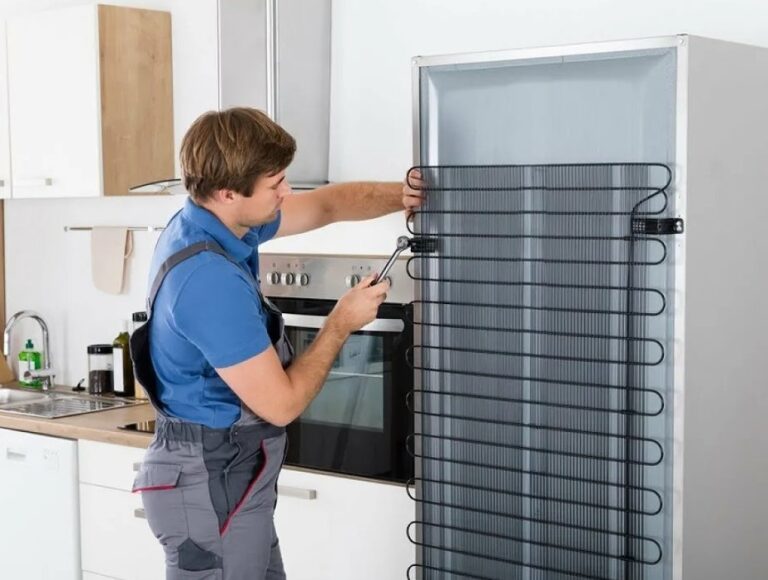
- Keep the coils clean to ensure proper heat exchange.
- Set temperatures correctly (generally around 37°F for the fridge and 0°F for the freezer).
- Minimize the time the door is open to maintain internal temperature.
- Regularly check door seals for any wear and tear.
In conclusion, investing in an energy-efficient refrigerator not only contributes to lowering utility bills but also promotes environmental responsibility. By considering expert insights and maintaining the appliance properly, consumers can ensure optimal performance and longevity.
Durability Testing: What to Look For
When evaluating the durability of a refrigerator, several critical factors come into play. These aspects not only indicate the longevity of the appliance but also its overall performance over time. Below are key elements you should consider while conducting durability testing.
Material Quality
The build quality of a refrigerator significantly influences its lifespan. Look for models that use high-grade stainless steel or durable plastic for the outer body and interior shelves. These materials are less prone to dents, scratches, and corrosion, which can compromise the unit’s integrity. Additionally, check for robust hinges and door seals that minimize wear and tear through repeated use.
Compressor Performance
The compressor is the heart of any refrigerator, and its efficiency is a strong indicator of durability. Choose brands that are known for their reliable compressor technology, preferably those with a longer warranty period. A higher energy efficiency rating can also suggest a better-quality compressor that can withstand regular operation without degrading prematurely.
Another aspect to assess is noise levels during operation. A compressor that operates quietly is often designed with durability in mind, as excessive vibrations can lead to mechanical failures over time.
Understanding warranty details is also essential. A longer warranty period often reflects the manufacturer’s confidence in the product’s durability and can provide consumers with peace of mind.
Ultimately, combining these durability indicators will help you identify a refrigerator that not only meets your immediate needs but is also built to last, making your investment worthwhile.
Analyzing Customer Feedback for Brand Reliability
Understanding customer feedback is essential for evaluating the reliability of refrigerator brands. In 2024, various factors contribute to customer perceptions, including performance, durability, and customer service.
When analyzing customer reviews, it is important to categorize feedback into the following aspects:
- Performance: Many customers emphasize how well a refrigerator maintains temperature consistency and energy efficiency.
- Durability: Feedback often highlights the longevity of a refrigerator before experiencing mechanical issues. Brands with high ratings typically receive positive remarks about their products lasting several years without significant problems.
- Customer Service: Customer experiences with warranty claims and service support play a crucial role in brand reliability perception. Quick and responsive support tends to correlate with higher trust in a brand.
- Noise Levels: User reviews frequently address operational noise, with quieter models receiving favorable feedback. This is a critical factor for consumers prioritizing a peaceful home environment.
To summarize data from customer reviews, many studies utilize a star-rating system. This method provides a quantifiable measure of satisfaction:
- Five stars: Exceptional reliability and performance; many recommend the brand.
- Four stars: Generally reliable, with minor issues reported.
- Three stars: Average performance; mixed reviews present.
- Two stars: Frequent problems or poor customer service experiences highlighted.
- One star: Significant reliability concerns; customers express disappointment and would not recommend.
Additionally, sentiment analysis on online platforms reveals trends in how customers feel about specific brands over time. Brands that consistently receive positive endorsements across multiple platforms tend to be deemed more reliable.
In conclusion, thorough analysis of customer feedback provides valuable insights into brand reliability. By focusing on key areas such as performance, durability, customer support, and user satisfaction ratings, consumers can make informed decisions when selecting a refrigerator brand in 2024.
Comparing Refrigerator Maintenance Requirements Across Brands
When purchasing a refrigerator, understanding the maintenance requirements of different brands is crucial for long-term satisfaction. Maintenance can significantly affect the lifespan and efficiency of your appliance. This section compares the maintenance needs of several leading refrigerator brands.
| Brand | Maintenance Frequency | Common Tasks | Special Features |
|---|---|---|---|
| Whirlpool | Every 6 months | Clean condenser coils, replace water filter | Self-diagnostics for troubleshooting |
| Samsung | Every 3-6 months | Clean filters, check door seals | Smart technology for monitoring efficiency |
| LG | Every 6 months | Clean interior, defrost if necessary | Linear compressor for quiet operation |
| Bosch | Every 6 months | Inspect drainage system, clean exterior | Auto-defrost feature |
| GE Appliances | Every 6 months | Replace water filter, clean coils | Advanced cooling technology |
Whirlpool and GE both require maintenance every six months, emphasizing regular coil cleaning and water filter replacement. Samsung provides a flexible maintenance schedule, with tasks revolving around the energy-saving smart technology. LG refrigerators focus on interior cleanliness and an occasional defrost as necessary, while Bosch incorporates an auto-defrost that minimizes user intervention.
Understanding these maintenance requirements helps consumers make informed choices, ensuring their refrigerators operate efficiently and remain reliable over time.
Impact of Technology on Refrigerator Performance
Modern refrigeration technology has significantly enhanced the performance, efficiency, and convenience of refrigerators. Incorporating advanced features like smart sensors, adaptive cooling systems, and energy-efficient compressors contributes to better temperature control and lower energy consumption.
Smart technology enables refrigerators to connect to home networks, allowing users to monitor and adjust settings remotely. This capability not only ensures optimal cooling but also provides alerts about issues such as door ajar scenarios or temperature fluctuations, helping to prevent food spoilage.
Moreover, inverter compressor technology adjusts the cooling power depending on the refrigerator’s needs, which results in quieter operation and reduced energy usage. This adaptability leads to improved longevity and reliability, making modern refrigerators a worthwhile investment.
Multi-zone cooling systems allow different compartments to maintain distinct temperatures, catering to various types of food storage, which optimizes freshness and prevents cross-contamination. These advancements also contribute to overall user satisfaction and streamline food management.
Furthermore, the incorporation of eco-friendly refrigerants has improved environmental performance, aligning with global sustainability goals. Thus, the impact of technology on refrigerator performance has not only transformed everyday use but has also paved the way for greener living alternatives.
Identifying Common Refrigerator Problems by Brand
Different refrigerator brands have their unique design and engineering quirks, which can lead to specific issues over time. Understanding these common problems can help consumers anticipate maintenance needs and make informed purchasing decisions.
Whirlpool: Whirlpool refrigerators are known for their reliability, but users often report problems with the ice maker. Common issues include ice blockage and the unit not producing ice at all. Additionally, some models experience difficulties with temperature regulation, leading to food spoilage.
Samsung: Samsung refrigerators frequently encounter issues with the cooling system. A common complaint is the failure of the compressor, which can lead to inconsistent cooling or complete failure. Another recurring issue is with the water dispenser, which may leak or produce slow flow due to clogged filters or lines.
LG: LG appliances are generally rated high for innovation; however, they can suffer from problems related to the linear compressor. Users have reported noise issues and compressor failures that can affect overall cooling efficiency. Additionally, door seal malfunctions can cause cold air to escape, decreasing energy efficiency.
Frigidaire: Frigidaire models often have issues with the defrost system. Many users face problems with frost buildup in the freezer, which can lead to inadequate cooling. The temperature controls may also malfunction, resulting in fluctuating temperatures and food spoilage.
GE: General Electric refrigerators are praised for their features, but they are not without issues. Common concerns include water filter replacement notifications that don’t reset properly, and problems with the fresh food compartment staying cold enough. Over time, seals around the doors can deteriorate, leading to air leaks and inefficiencies.
Beko: Beko refrigerators, while popular for their affordability, can sometimes have reliability issues. Users report that the internal lighting system fails prematurely. Additionally, some models have a tendency to develop issues with the water and ice dispensing system, often related to filter limitations.
By identifying these specific problems associated with different brands, consumers can weigh their options more effectively when selecting a refrigerator. Regular maintenance and prompt attention to these common issues can prolong the life of the appliance and ensure optimal performance.
Cost Analysis: Reliable Brands vs. Budget Options
When researching refrigerators, potential buyers often encounter a dilemma between reliable, established brands and more affordable, budget options. The decision typically hinges on various factors such as performance, longevity, and overall cost. Understanding the cost implications of both categories is crucial in making an informed choice.
Initial Purchase Price
Reliable brands, such as Whirlpool, Bosch, and LG, generally come with a higher initial price tag compared to budget options. However, this premium often reflects superior craftsmanship, advanced technology, and extended warranties. Conversely, budget brands like Frigidaire or Hisense may offer lower prices, but at the expense of features and potentially durability.
| Brand Type | Typical Price Range | Average Lifespan |
|---|---|---|
| Reliable Brands | $800 — $2,500 | 15-20 years |
| Budget Options | $300 — $800 | 8-12 years |
Long-Term Costs and Value
Long-term costs encompass energy consumption, maintenance, and potential repair expenses. Reliable brands usually boast better energy efficiency ratings, resulting in lower utility bills over time. This often offsets the initial investment. Furthermore, dependable brands tend to require fewer repairs and come with longer warranties, which can significantly reduce maintenance costs in the long run.
In contrast, budget options may initially save money, but their shorter lifespan and higher likelihood of needing repairs can lead to increased overall expenses. Consumers should weigh these long-term financial implications against the attractive prices of budget options.
Future Trends in Refrigerator Technology for Better Reliability
The advancement of refrigerator technology is poised to enhance reliability significantly in the coming years. Manufacturers are focusing on several key areas, including smarter connectivity, energy efficiency, and advanced materials, to ensure that refrigerators are not only more reliable but also more user-friendly.
Smart Connectivity Features
The integration of IoT (Internet of Things) technology is transforming how refrigerators operate. Smart refrigerators will be equipped with sensors that monitor performance and predict potential failures before they occur. These sensors will provide real-time data to users, alerting them about maintenance needs or irregularities in temperature. This proactive approach can prevent costly breakdowns and prolong the appliance’s lifespan.
Enhanced Energy Efficiency and Sustainability
Energy efficiency is a critical aspect of modern refrigerator design. Future models will likely utilize advanced compressors and insulation materials to reduce energy consumption without compromising performance. Additionally, the shift towards eco-friendly refrigerants, which have a lower environmental impact, is expected to rise. Innovations in energy recovery systems will also contribute to better reliability by ensuring that refrigerators operate within optimal energy ranges, thus reducing wear and tear on components.
Q&A — Most reliable refrigerator brand:
What are the most reliable refrigerator brands according to experts in 2024?
According to expert ratings and reviews in 2024, some of the most reliable refrigerator brands include Whirlpool, LG, and Bosch. These brands consistently receive high marks for performance, durability, and customer satisfaction. Whirlpool is noted for its spacious designs and advanced cooling features, while LG is recognized for its smart technology and stylish aesthetics. Bosch stands out for its energy efficiency and quiet operation, making it a popular choice among consumers.
How do expert ratings assess the reliability of refrigerator brands?
Expert ratings typically evaluate refrigerator brands based on several criteria, including customer reviews, performance tests, durability assessments, and warranty offerings. Reviews often incorporate data from customer surveys and real-world usage to gauge satisfaction. Performance tests may involve temperature maintenance, noise levels, and energy consumption. The combination of these factors helps provide a comprehensive view of each brand’s reliability.
Are there specific models within reliable brands that are recommended?
Yes, within reliable brands, certain models tend to stand out. For instance, the Whirlpool WRX735SDHZ is favored for its spacious French-door design and smart organization features. LG’s LFXS28968S is highly rated for its smart technology and dual ice makers. Bosch’s B36CL80ENS model is appreciated for its sleek design and advanced cooling system. These models are recognized for their performance and reliability based on expert assessments and customer feedback.
What factors should I consider when choosing a reliable refrigerator?
When selecting a reliable refrigerator, consider several factors. First, assess the size and layout to ensure it fits your kitchen space and meets your storage needs. Next, evaluate energy efficiency ratings to save on electricity bills over time. Feature sets are also important—look for options like temperature control, smart technology, or additional ice and water dispensers. Lastly, review warranty and customer service options offered by the brand to safeguard your investment.
How often should I expect to replace my refrigerator if I choose a reliable brand?
Typically, a reliable refrigerator from a trusted brand can last between 10 to 20 years with proper maintenance. Regular upkeep, such as cleaning coils and ensuring proper seals, can extend the lifespan. However, factors like usage, model, and maintenance practices can affect longevity. If you invest in a well-reviewed brand known for durability, you are likely to enjoy many years of reliable use before needing a replacement.
What are the most reliable refrigerator brands according to expert ratings in 2024?
In 2024, expert ratings indicate that brands such as Whirlpool, LG, and Samsung are among the most reliable refrigerator manufacturers. These brands consistently receive high marks for performance, durability, and customer satisfaction. Whirlpool is often praised for its straightforward designs and long-lasting appliances, while LG and Samsung are noted for their innovative features and efficient cooling technology. Ratings may vary, so it’s advisable to check specific model reviews as well.
Choose APPLIANCE REPAIR in San Jose for you today and get fast, dependable service from technicians who truly care about your comfort — schedule your appointment now and restore your home’s convenience in no time.