Appliance installation involves more than simply plugging in a device and turning it on, even though installing a new appliance can significantly enhance the functionality and convenience of your home. Effective setup requires careful planning and consideration to ensure safety, efficiency, and compliance with local codes.
Before scheduling an installation, it is essential to understand the specifications of the appliance you are purchasing. Each type of appliance, whether it’s a refrigerator, washer, or dishwasher, has unique requirements regarding space, electrical connections, and plumbing. Assessing your home’s existing infrastructure will help you identify necessary upgrades or modifications to accommodate the new unit.
Moreover, timing is crucial. Consider factors such as delivery schedules, the availability of professionals, and your own timeline. Proper planning can mitigate delays and complications that often arise during the installation process. Taking these preliminary steps will pave the way for a smooth transition and ensure you fully benefit from your new appliance.
Appliance Installation: What You Need to Know Before Scheduling
When considering appliance installation, there are several essential factors to address to ensure a smooth and efficient process. First, it is important to confirm the compatibility of the new appliance with existing utilities such as electrical outlets, water lines, and gas connections. Verify that your home meets the required specifications for the appliance type you plan to install.
Next, take precise measurements of the installation area. Ensure that the appliance will fit comfortably and that there is adequate space for proper ventilation. This step is crucial, especially for larger appliances like refrigerators or washers, as insufficient space could lead to operational issues or hinder regular usage.
Before scheduling the installation, review the manufacturer’s guidelines. These documents often include specific installation requirements and recommendations that help prevent warranty voids or operational problems post-installation. Additionally, check if any old appliances need to be removed, and if so, clarify whether this service is included in the installation package.
It’s also wise to research the qualifications of the installer or installation service. Look for licensed and insured professionals with good customer reviews. A skilled installer can manage any unexpected issues that may arise during the process, ensuring compliance with safety codes and manufacturer specifications.
Lastly, prepare your home for the appointment by clearing the area around the installation site. This makes it easier for the installers to perform their work efficiently. In conclusion, taking these preparatory steps can save time, reduce stress, and ultimately result in a successful appliance installation.
Assessing Your Space for New Appliances
Before scheduling the installation of new appliances, it is crucial to evaluate your space thoroughly. This ensures not only compatibility with the appliances but also enhances efficiency and functionality in your home. Here are the key considerations to keep in mind:
1. Measure Your Available Space
Accurate measurements are essential for a successful installation. Follow these steps:
- Use a tape measure to determine the width, depth, and height of the area where the appliance will be placed.
- Consider the surrounding elements, such as cabinets, countertops, walls, and existing appliances, to ensure there is enough clearance.
- Account for door swings, drawer openings, and ventilation space to avoid any obstructions.
2. Review Power and Water Supply Needs
Different appliances require specific power and water sources. Evaluate the following:
- Check the electrical outlets: Ensure they are rated for the appliance’s power requirements.
- Inspect for adequate plumbing: Dishwashers and washing machines need access to water supply and drainage.
- Verify the presence of gas lines: If you are installing a gas appliance, ensure that there is a proper hookup available.
By thoroughly assessing your space and gathering all necessary information regarding measurements and utilities, you set the foundation for a smooth installation process.
Understanding Installation Requirements for Different Appliances
When planning to install new appliances, it is crucial to understand the specific installation requirements for each type. This knowledge can help prevent delays and additional costs associated with improper installation. Below are the essential aspects to consider for various common household appliances.
- Refrigerators:
- Ensure adequate space for air circulation, typically a few inches on all sides.
- Check for proper electrical connections, including voltage compatibility.
- Verify that the water supply line (for models with ice makers) is properly installed and leak-free.
- Washing Machines:
- Confirm the availability of cold and hot water supply lines.
- Inspect drainage options to prevent flooding; drainage hoses should be installed at the correct height.
- Ensure the electrical outlet is grounded and complies with manufacturer specifications.
- Dishwashers:
- Maintain enough space for installation; typically, a standard 24-inch width.
- Check compatibility with existing plumbing and electrical connections.
- Ensure proper sealing and leveling for optimal performance and to prevent leaks.
- Ovens and Ranges:
- Verify that the kitchen has adequate gas or electrical supply, based on the appliance type.
- Check that the unit fits within the designated cabinetry and has clearance for ventilation.
- Consider any local codes regarding installation and venting requirements.
- Microwaves:
- Determine the installation type: countertop, built-in, or over-the-range, and ensure adequate space.
- Ensure the microwave is installed at a comfortable height for operation.
- Check electrical requirements, including circuit specifications and outlet placement.
Understanding these installation requirements will help ensure that your appliances function efficiently and remain compliant with safety standards. Always refer to the manufacturer’s guidelines for specific installation details before scheduling.
Researching Local Installation Services and Their Credentials
Before scheduling an appliance installation, it is vital to conduct thorough research on local installation services. Start by gathering recommendations from friends, family, or online reviews to create a list of potential contractors.
Once you have your list, check the credentials of each service provider. Look for licenses and certifications that demonstrate their expertise and compliance with local regulations. A licensed installer typically has undergone the necessary training and understands safety standards.
Additionally, verify if the installation service is insured. This coverage protects both you and the installer in case of accidents or damage during the installation process. An insured installer is less likely to cut corners, as they operate under stringent guidelines.
It may also be helpful to examine online reviews and testimonials. Websites like Yelp, Google Reviews, or Angie’s List provide insights into previous customers’ experiences. Pay attention to recurring themes in feedback, whether positive or negative, as they can signal the relationship between quality and service.
Inquire about warranties or guarantees on the installation work. Reputable companies often provide assurances that their work meets certain standards, offering you peace of mind regarding the longevity and functionality of your appliance.
Lastly, consider the experience level of the service provider. An installer with years of experience is likely to handle unforeseen challenges more effectively than a newer contractor. Don’t hesitate to ask about their experience with the specific appliance you need installed, as certain models may require specialized knowledge.
Comparing Costs of DIY vs. Professional Installation
When considering appliance installation, one of the primary factors to evaluate is the cost associated with either doing it yourself (DIY) or hiring a professional. Each option has its own financial implications that can significantly affect your overall budget.
DIY Installation Costs
Opting for a DIY installation can appear more cost-effective at first glance. Typically, the primary expenses involved include purchasing necessary tools and materials, which might range from minimal to substantial depending on the complexity of the appliance. For instance, basic installations may only require common tools like screwdrivers and wrenches. However, for more intricate setups, such as plumbing for a dishwasher or wiring for an electric stove, you might need specialized equipment.
Moreover, you should account for potential hidden costs, such as repairs if something goes wrong during installation. Mistakes can lead to damage that requires professional rectification, ultimately negating any savings made initially. Additionally, your time is a valuable resource; time spent on DIY can also equate to a cost, especially if it prevents you from engaging in other productive activities.
Professional Installation Costs
Professional installation typically involves higher upfront costs, including labor fees which can vary based on the appliance and the complexity of the job. Hiring an experienced technician ensures that the installation meets safety and warranty requirements, providing peace of mind than can be worth the price premium. Labor rates can range from $50 to $150 or more per hour, depending on your location and the appliance type.
While this option may seem pricier, it often includes not just the installation itself but also potential warranties or guarantees on the work performed. This can save you additional costs in the long run by avoiding future problems. Professional installers often have the expertise to handle unforeseen issues that may arise during installation, which can further prevent potential damages or the need for costly corrections down the line.
In conclusion, while DIY installation may initially seem less expensive, the hidden costs and risks could outweigh the savings. Conversely, professional installation offers assurance and expertise that can justify the higher price tag, making it a worthwhile investment for many homeowners.
Preparing Your Home for the Installation Day
Preparing your home for appliance installation is crucial for ensuring a smooth and efficient process. Here are some essential steps you should consider taking before the installation day arrives.
Clear the Pathways
Remove any obstacles that may obstruct the path from the entrance of your home to the designated installation area. This includes moving furniture, decorations, and other items that could hinder the movement of the installers. Ensure that hallways, doorways, and staircases are clear and easily accessible to facilitate the safe transport of the appliance.
Measure and Assess Space
Verify that the installation area is sufficiently sized to accommodate the new appliance. Measure both the appliance and the space where it will be installed to ensure a proper fit. Take note of any close walls, cabinets, or other appliances that may affect the installation process. If necessary, remove any existing appliances to create a seamless installation experience.
Additionally, check for any needed electrical or plumbing connections to ensure they are properly set up before the installation day. Confirm that the necessary outlets are available and functioning, and that water lines are easily accessible if applicable.
By taking these steps, you can help guarantee that the installation goes as smoothly as possible, minimizing delays and complications.
Identifying Necessary Tools and Supplies for Installation
Before beginning any appliance installation, it is crucial to gather the appropriate tools and supplies to ensure a smooth and efficient process. Identifying these essentials will not only save time but also help prevent potential setbacks during the installation.
First and foremost, a standard tool kit should include basic hand tools such as a screwdriver set (both flat-head and Phillips), pliers, and a wrench set. These tools are essential for assembling or disassembling parts, securing connections, and making adjustments as needed.
Measure twice, cut once. A tape measure is vital for ensuring that the new appliance fits within the designated space. Accurate measurements can prevent costly mistakes and ensure proper installation. A level is also important for ensuring that the appliance is installed evenly, which is particularly crucial for refrigerators, washing machines, and other level-specific units.
Some appliances may require specific connectors, hoses, or adapters. For example, a dishwasher installation typically needs a water supply line and a drainage hose. Always check the manufacturer’s specifications for necessary supply components before installation.
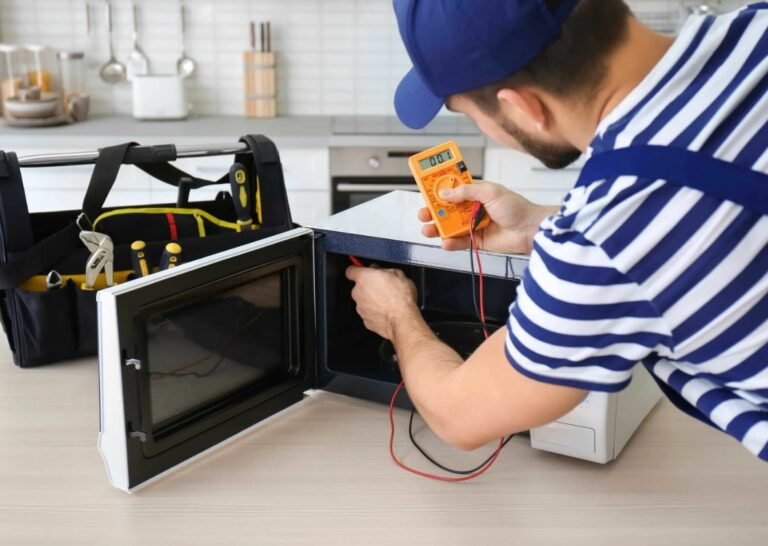
Electrical safety is paramount. If the appliance operates on electricity, a multimeter can help check voltage and ensure that power sources are safe and functional. Additionally, having wire strippers and electrical tape on hand is prudent for any necessary electrical connections.
For certain installations, specialized tools may be required. For instance, a socket set may be necessary for gas appliances to securely fasten gas lines. A stud finder may be helpful for mounting wall units or heavy appliances. Always review installation guidelines to determine if any specialized tools are needed.
Lastly, protect your working environment and the appliance itself by utilizing drop cloths or towels to prevent scratches or damage during the installation. Having gloves can also be useful for ensuring a firm grip while handling heavy or awkwardly shaped appliances.
By preparing these tools and supplies in advance, you can streamline the installation process, reduce the risk of errors, and ensure a successful setup for your new appliance.
Verifying Electrical and Water Connections Ahead of Time
Before scheduling your appliance installation, it is crucial to verify the electrical and water connections to ensure a smooth and efficient setup process. Ensuring that these connections meet the necessary requirements can prevent delays and potential hazards during installation.
Electrical Connections
First, assess your electrical system. Determine the voltage and amperage specifications required for the appliance, which can typically be found in the user manual. Check if your existing outlets are compatible and if dedicated circuits are needed. Inspect the outlet for any signs of wear or damage. It is also important to ensure that the circuit breaker can handle the additional load. If any upgrades to your electrical system are required, it is best to address them before the installation date.
Water Connections
For appliances that require water, such as dishwashers or refrigerators with ice makers, inspecting water connections is equally important. Confirm that there is a suitable water supply line and that it is free from leaks. Ensure the shut-off valve is operational, and check the water pressure to ensure it meets the manufacturer’s specifications. If any plumbing modifications are necessary, arranging for a plumber prior to the installation will help avoid complications.
Scheduling Your Installation at the Right Time
Choosing the right time for your appliance installation can significantly impact the efficiency of the process and your overall satisfaction. Start by considering your schedule and availability, as well as any specific requirements the installation may involve. This ensures you are present and can address any issues that arise during the installation.
Consider Your Personal Schedule
Before setting a date, check your calendar for any personal commitments or important events. Aim for a time when you can allocate several hours to oversee the installation process. Mornings or early afternoons during weekdays are often ideal, as contractors tend to be more available and less busy. Additionally, scheduling during off-peak seasons can lead to more flexible time slots and potentially lower installation costs.
Account for Appliance Delivery
Ensure that the installation date falls after the delivery of your appliance. Coordinate with your supplier to confirm the delivery schedule, and leave a buffer period to accommodate any potential delays. Planning ahead will avoid unnecessary stress and allow for a seamless installation experience. Make sure to also check on any specific requirements for the installation, such as electrical or plumbing adjustments, and schedule these services accordingly.
Understanding Warranty and Service Agreements
When considering appliance installation, it is essential to familiarize yourself with warranty and service agreements. These documents play a crucial role in protecting your investment and ensuring that you receive adequate support and maintenance for your appliances.
Types of Warranties
Warranties typically fall into two main categories:
- Manufacturer’s Warranty: This warranty is provided by the manufacturer and usually covers defects in materials and workmanship. The duration can vary, often ranging from one to five years.
- Extended Warranty: Also known as service contracts, these are additional protection plans that can be purchased. They may cover repairs beyond the manufacturer’s warranty, including accidental damage and normal wear and tear.
Key Aspects to Consider
Before choosing a warranty or service agreement, consider the following:
- Coverage Details: Understand what is covered and what is excluded. Some warranties may not cover specific parts or types of damage.
- Duration: Verify the length of the coverage period and when it begins. Some warranties start upon purchase, while others may activate only after the installation.
- Service Provider: Identify who will perform the repairs. Some warranties require you to use authorized service centers, while others may allow more flexibility.
- Transferability: Check if the warranty can be transferred to a new owner if you sell your appliance. This can enhance the resale value.
- Claim Process: Familiarize yourself with the procedure for filing claims. Ensure that it is straightforward and provides quick resolutions.
Being knowledgeable about warranty and service agreements will not only help you make an informed decision when scheduling appliance installation but also give you peace of mind regarding future repairs and maintenance.
Post-Installation Tips for Appliance Care
After the installation of your new appliances, proper care is essential for ensuring their longevity and optimal performance. Here are some valuable tips to help you maintain your appliances effectively.
Regular Cleaning
Keep your appliances clean by wiping them down regularly. For kitchen appliances like refrigerators and ovens, use mild detergents or specific cleaner products recommended by the manufacturer. Avoid abrasive materials that can scratch surfaces, and ensure that any spills are cleaned promptly to prevent long-term damage.
Check for Leveling and Stability
After installation, verify that appliances are level and stable. Use a level tool to check the placement, as uneven surfaces can lead to excessive wear on components and may disrupt their functionality. For items such as washing machines, ensure that they are on a stable, flat surface to minimize vibration and noise during operation.
Inspect Seals and Gaskets
Regularly inspect door seals and gaskets, particularly in refrigerators and dishwashers. Proper seals enhance energy efficiency and prevent leaks. If you notice any wear or damage, consider replacing them to maintain your appliance’s performance.
Follow Manufacturer Instructions
Always follow the manufacturer’s guidelines regarding usage and maintenance. This includes recommended cleaning schedules, routine checks, and specific operating guidelines. Adhering to these instructions can help prolong the life of your appliances.
In summary, taking the time to care for your appliances post-installation can save you from costly repairs and replacements in the future. Adopting good habits in cleaning and maintenance will ensure they continue to operate effectively for many years.
Handling Common Installation Issues and Troubleshooting
When installing new appliances, various issues may arise. Being prepared for these common challenges can save you time and frustration. Below is a guide to some of the most frequently encountered installation problems and effective troubleshooting steps.
| Issue | Description | Troubleshooting Steps |
|---|---|---|
| Inadequate Power Supply | Appliance does not turn on due to insufficient voltage or amperage. |
|
| Poor Water Connection | Appliances requiring water (like dishwashers) may not fill properly. |
|
| Misaligned Appliances | Appliances may not sit level, causing operational issues. |
|
| Excessive Noise | Unusual sounds during operation can indicate installation issues. |
|
| Error Codes | Modern appliances often display error codes that can indicate specific problems. |
|
By familiarizing yourself with these common installation issues, you can more effectively address concerns as they arise. Always refer to the manufacturer’s guidelines for specific troubleshooting advice tailored to your appliance model.
Q&A — Appliance installation:
What are the common types of appliances that require professional installation?
Common appliances that typically need professional installation include dishwashers, refrigerators, washing machines, dryers, and ovens. Each of these appliances has specific requirements for plumbing, electrical, and ventilation connections, making it advisable to hire a qualified technician for installation to ensure safety and proper functionality.
How do I determine whether I need a professional or if I can install an appliance myself?
To decide whether to hire a professional or tackle the installation yourself, assess your experience with similar installations, the complexity of the specific appliance, and local building regulations. If the installation requires specialized knowledge for plumbing or electrical work, it’s advisable to seek professional assistance. Additionally, check the manufacturer’s guidelines; they often specify whether professional installation is recommended or required for warranty purposes.
What should I check before scheduling an appliance installation appointment?
Before scheduling an installation appointment, ensure the area where the appliance will go is ready. This includes measuring the space to confirm the appliance will fit, checking electrical outlets, plumbing connections, and ensuring there is clear access for the technician. Additionally, review any specific installation instructions from the manufacturer and confirm whether there are any local codes or regulations you need to follow.
Are there any hidden costs associated with appliance installation I should be aware of?
Yes, there may be hidden costs involved in appliance installation. Common additional charges can include hooking up existing plumbing or electrical connections, disposal fees for old appliances, and costs related to any necessary modifications to your home, such as cabinetry adjustments or new fittings. It’s wise to clarify all potential costs with the installer before confirming the appointment to avoid surprises later on.
What questions should I ask the installer before the appointment?
Before the installation appointment, it’s beneficial to ask the installer several questions. Inquire about their experience with the type of appliance being installed, how long the installation is expected to take, and whether they will handle any necessary permits. Additionally, ask about their warranty on installation work and how they handle potential issues that might arise during the process. Clarifying these aspects upfront can help ensure a smooth installation experience.
What are the key factors to consider before scheduling an appliance installation?
Before scheduling an appliance installation, it’s important to consider several factors. First, ensure that you have accurate measurements of the space where the appliance will be installed, including doorways and hallways, to confirm that the appliance can fit through. Second, check the electrical and plumbing requirements for the appliance to ensure your home meets these needs. Third, consider the timing of the installation; ensure that you will be available for the technician and that any necessary preparations, like disposing of old appliances, are made in advance. Lastly, research and select a reputable installation service to guarantee a quality job.
How can I prepare my home for a new appliance installation?
Preparing your home for a new appliance installation involves several steps to ensure a smooth process. Start by clearing the area where the new appliance will go. Remove any furniture, rugs, or obstacles to create a clear path for the delivery team. Next, disconnect any existing appliance if necessary; this may involve turning off water supply valves or unplugging the device. Ensure that the space is clean and free of debris. If the installation requires special tools or materials, confirm that your installer has everything needed ahead of time. Additionally, it may be helpful to discuss any specific installation requirements with your installer before the scheduled date to avoid any surprises.
Choose APPLIANCE REPAIR in San Jose for you today and get fast, dependable service from technicians who truly care about your comfort — schedule your appointment now and restore your home’s convenience in no time.