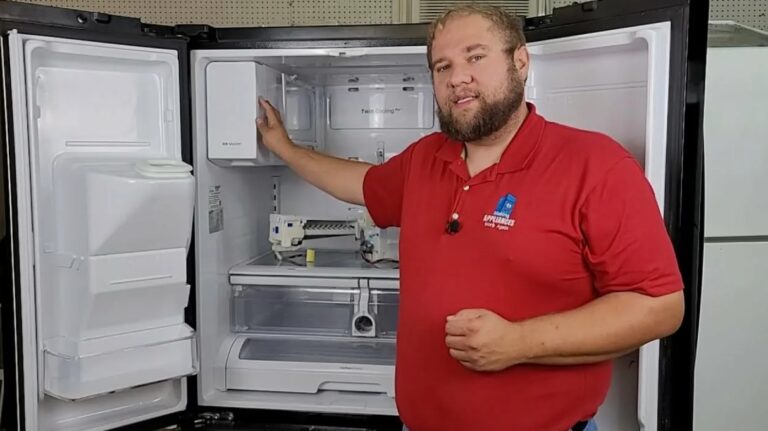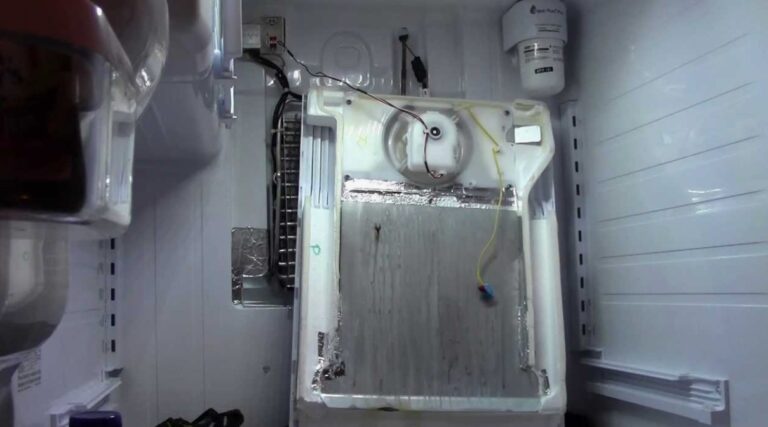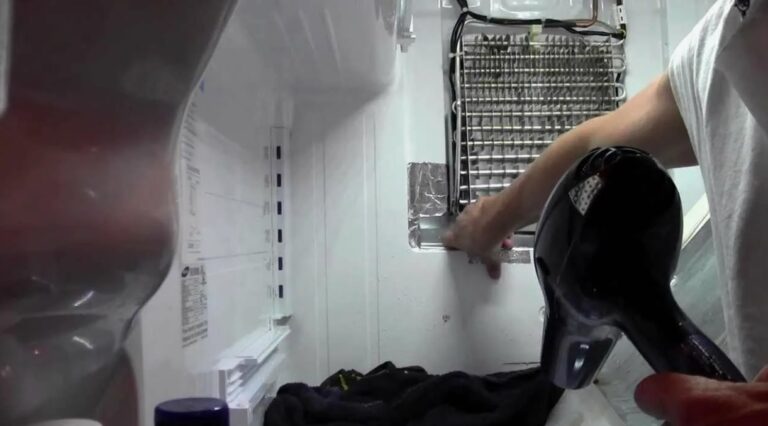
LG Refrigerator Repair is essential when your fridge stops cooling effectively, as the repercussions can be immediate and challenging. When your LG refrigerator stops cooling effectively, the repercussions can be immediate and challenging. Food spoilage, waste, and inconvenience are just a few of the issues that can arise when your appliance fails to maintain optimal temperatures. Understanding the importance of timely repair is crucial to protect your investments and ensure your food remains safe and fresh.
Refrigerators are complex machines, and a cooling failure can be indicative of various underlying problems, including issues with the compressor, condenser coils, or refrigerant levels. Ignoring these signs can lead to more significant issues down the line, ultimately resulting in a costly replacement rather than a simple repair. Taking immediate action can not only save you money but also extend the lifespan of your appliance.
Engaging professional LG refrigerator repair services is essential for diagnosing and addressing the specific problems your unit faces. Trained technicians possess the expertise and tools necessary to effectively identify malfunctions, ensuring your refrigerator is restored to its full functionality. This not only enhances performance but also contributes to energy efficiency, reducing utility bills and environmental impact in the long run.
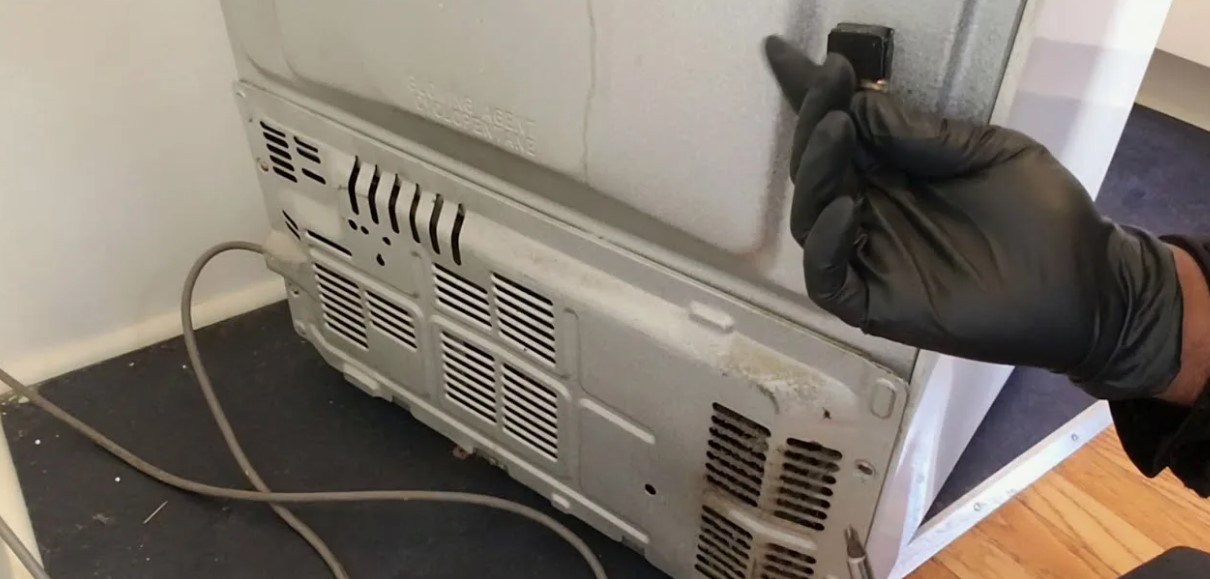
Identifying Early Signs of Cooling Failures
Recognizing the early signs of cooling failures in your LG refrigerator is crucial to preventing more significant issues that could lead to costly repairs. One of the first indicators that something is amiss is an unusual rise in internal temperature. If the temperature inside the fridge is noticeably warmer than usual, it could signify that the cooling system is not functioning properly.
Audible Sounds and Noises
Another early warning sign to watch for is an increase in unusual sounds emanating from the appliance. If you hear abnormal noises such as buzzing, clicking, or hissing, these could indicate problems with the compressor or fan motors. These components are vital for maintaining optimal cooling, and any irregular sounds can signify impending failure.
Additionally, you may notice condensation forming on the exterior of the fridge or inside, even if the doors are closed. This can point to a failure in the door seals or insulation, which affects the overall temperature regulation. Regularly checking for excessive moisture or frost buildup will help you identify early issues.
Food Spoilage and Odors
The deterioration of food items stored inside is another significant indicator of cooling failures. If dairy products spoil faster than their usual shelf life or if meats develop an off smell, it’s time to investigate the cooling capabilities of your fridge. Odors emanating from the appliance can also indicate that food is going bad due to inadequate cooling.
Observing these subtle changes can be vital for taking prompt action. Early detection allows homeowners to seek LG refrigerator repair services before the situation escalates, safeguarding both the appliance’s longevity and the quality of stored food.
Common Causes of Cooling Issues in LG Refrigerators
One of the most frequent reasons for cooling failures in LG refrigerators is a malfunctioning compressor. The compressor plays a crucial role in the refrigeration cycle by compressing refrigerant and circulating it through the system. If the compressor is not working efficiently, the refrigerant may not be circulated properly, resulting in a rise in internal temperatures.
Another common cause of inadequate cooling is a dirty or blocked condenser coil. These coils dissipate heat from the refrigerant as it transitions from a gas to a liquid. When dust and debris accumulate on the coils, they hinder the cooling process, reducing the refrigerator’s overall efficiency. Regular cleaning of the condenser coils can prevent this issue and enhance the refrigerator’s performance.
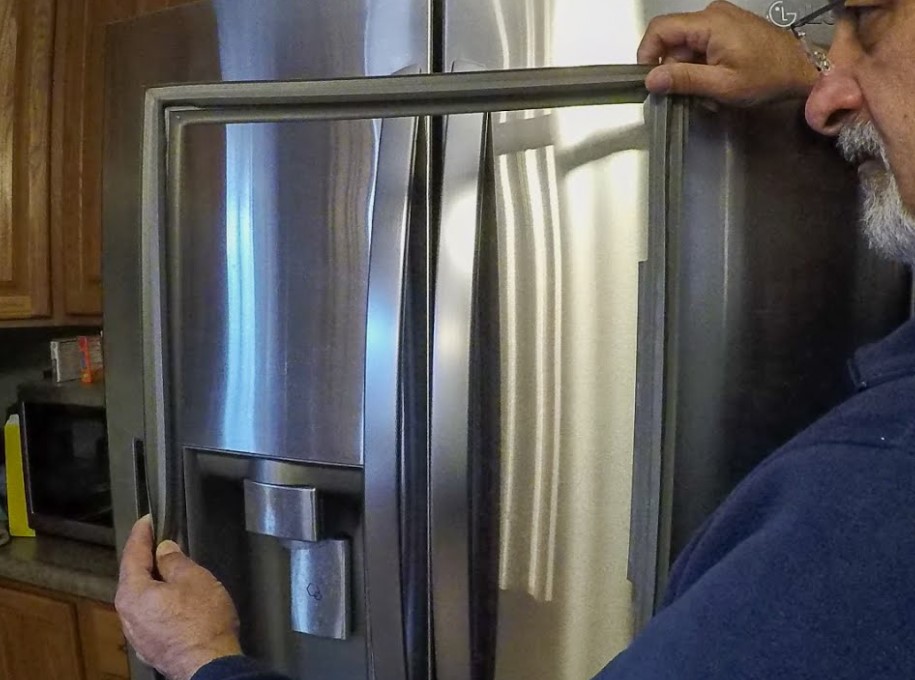
The door seals, or gaskets, also play an essential role in maintaining the refrigerator’s temperature. If the seals are damaged or worn, warm air can enter the unit, causing temperature fluctuations. Checking the integrity of the door seals and replacing them if necessary is crucial to ensure that the refrigerator remains airtight and operates efficiently.
Another factor contributing to cooling issues is the placement of the refrigerator itself. If the appliance is not positioned properly or is surrounded by heat-emitting appliances, it may struggle to maintain the desired temperature. Adequate spacing around the refrigerator allows for proper airflow, which is vital for optimal cooling performance.
Finally, issues with the thermostat can lead to cooling failures. If the thermostat is malfunctioning or inaccurately reading temperatures, it may not signal the compressor to kick in when necessary. Diagnosing and repairing thermostat issues can restore proper functioning and ensure that the refrigerator maintains its set temperature effectively.
Impact of Temperature Fluctuations on Food Safety
Temperature fluctuations in refrigerators can have significant implications for food safety. When the cooling system fails or malfunctions, food may be exposed to temperature ranges that promote the growth of harmful bacteria. Most pathogens thrive at temperatures between 40°F and 140°F (4°C and 60°C), also known as the «danger zone.» Consequently, any deviation from optimal cooling settings can lead to serious health risks.
Microbial Growth and Foodborne Illness
Microorganisms like bacteria and molds can double in number every 20 minutes under favorable conditions. If food gets too warm, these pathogens can proliferate, increasing the risk of foodborne illnesses. Symptoms of these illnesses can range from mild stomach discomfort to severe conditions requiring hospitalization, emphasizing the need for proper temperature maintenance.
Perishable items, such as meat, dairy, and prepared foods, are particularly vulnerable. Even a short period of exposure to higher temperatures can compromise their safety. The U.S. Department of Agriculture (USDA) recommends that perishable food should not be left in the danger zone for more than two hours, which underscores the urgency of addressing any refrigeration issues promptly.
Quality Degradation and Spoilage
Beyond safety concerns, temperature fluctuations also affect the quality of food. Changes in temperature can lead to rancidity in fats, loss of flavor in fruits and vegetables, and texture degradation in dairy products. Foods may appear spoiled even if harmful bacteria haven’t developed, making it essential to ensure consistent cooling to preserve both safety and quality.
Regular maintenance and timely repairs of refrigerators are crucial in preventing temperature fluctuations. Homeowners should monitor their appliances closely and be prepared to take action when they notice an issue. Additionally, using appliance thermometers can provide valuable insights into internal temperatures, further safeguarding against unexpected risks.
In conclusion, the impact of temperature fluctuations on food safety cannot be overstated. Timely LG refrigerator repair is essential to maintain optimal conditions for food storage, preventing not only health hazards but also food spoilage. Taking proactive measures can protect both your well-being and your food investments.
How to Troubleshoot Cooling Problems at Home
When your LG refrigerator fails to cool properly, the first step is to check the temperature settings. Ensure that the thermostat is set to the recommended range, typically between 37°F and 40°F for the refrigerator compartment and 0°F for the freezer. If the temperature is set correctly, inspect the door seals for any signs of damage or dirt. A compromised seal can lead to air leaks, making it difficult for the appliance to maintain the desired temperature.
Inspecting Airflow and Ventilation
Proper airflow is critical for the efficient cooling of your refrigerator. Begin by ensuring that vents inside the fridge and freezer are not obstructed by food items. Overpacking can restrict circulation, leading to uneven cooling. Additionally, check the external condenser coils, typically located at the back or beneath the appliance. Dust and debris can accumulate over time, causing the compressor to overheat and function inefficiently. Use a vacuum or brush to clean the coils regularly and improve performance.
Testing the Components
If the initial checks do not resolve the cooling issue, you may need to diagnose specific components like the compressor, evaporator fan, or temperature control board. Listen for unusual noises from the compressor and ensure the fan inside the freezer is operational. If the compressor runs continuously without cycling off, it might signal a problem that needs professional assistance. In some cases, testing electrical components may require specialized tools or expertise, making it advisable to consult a technician for a thorough evaluation.
When to Call a Professional for Repairs
Identifying the signs that your LG refrigerator requires professional attention is crucial for maintaining its efficiency. If you notice unusual noises, such as humming or clicking, these could indicate problems with the compressor or fan. Additionally, inconsistent cooling or frost buildup in the freezer should not be ignored, as they can lead to food spoilage and further damage to the appliance. When you observe any of these issues, it’s essential to consult a trained technician who can diagnose the problem accurately.
When to Seek Professional Help
In certain cases, attempting DIY repairs can result in more damage or void warranties. If your refrigerator is leaking water, or if the temperature is significantly outside the normal range even after adjustments, calling a professional is advised. Experts can provide timely and safe repairs, utilizing specialized tools and knowledge. This is especially important if you notice the compressor running continuously or if the refrigerator fails to start altogether.
| Signs of Trouble | Action Required |
|---|---|
| Unusual Noises | Contact a technician for assessment |
| Inconsistent Cooling | Schedule a repair service visit |
| Water Leakage | Seek immediate professional help |
| Compressor Running Continuously | Consult with a specialized repair expert |
Understanding the Repair Process for LG Refrigerators
The repair process for LG refrigerators begins with a thorough diagnosis of the cooling issue. Technicians utilize specialized tools to assess various components such as the compressor, condenser coils, and refrigerant levels. A common problem is often traced back to a malfunctioning thermostat or clogged airflow pathways. Recognizing these issues is crucial, as neglecting minor problems can lead to significant failures and costly repairs in the future. The technician will also ensure that the refrigerator is appropriately leveled, as an imbalance can affect cooling efficiency.
Steps Involved in the Repair
Once the diagnosis is complete, the technician will outline the necessary steps for repair. This may involve replacing faulty parts or cleaning components such as the condenser coils to improve efficiency. After the repairs are made, a follow-up evaluation is conducted to ensure the refrigerator operates effectively. The technician will often provide guidance on maintenance practices, emphasizing the importance of regular cleaning and monitoring for early signs of trouble. This proactive approach not only extends the refrigerator’s lifespan but also mitigates the chances of recurring issues.
The Cost Implications of Ignoring Cooling Failures
Ignoring cooling failures in an LG refrigerator can lead to significant financial repercussions. The most immediate concern is food spoilage. When temperatures rise above safe levels, perishable items can spoil quickly, leading to the disposal of valuable groceries. Regularly investing in fresh produce, dairy, and meats becomes futile when the refrigerator fails to maintain proper cooling.
Moreover, the financial implications extend beyond just spoiled food. Homeowners may face increased energy bills as the refrigerator works harder to achieve the desired temperature. When cooling systems malfunction, the appliance may run continuously, consuming more electricity than necessary. This inefficiency not only adds extra costs to monthly utility bills but can also shorten the lifespan of the appliance.
- Increased electricity costs
- Frequent replacement of spoiled groceries
- Potential repair costs due to severe damages
Furthermore, continually neglecting cooling issues may lead to more severe mechanical failures. For example, underlying problems, if left unaddressed, can cause a cascade of damage within the refrigerator, potentially leading to expensive repairs. Ultimately, these repairs can exceed the cost of early maintenance, making it essential to act promptly.
Insurance policies might also be affected by ignoring such issues. Some homeowners insurance plans do not cover losses related to negligence. Therefore, if a fridge fails due to improper maintenance, individuals might find themselves unprotected when faced with the cost of food spoilage or appliance repair.
In summary, neglecting cooling failures in LG refrigerators can have substantial cost implications. From immediate losses due to food spoilage to long-term financial burdens from increased energy bills, potential repairs, and insurance complications, staying proactive in addressing cooling issues is crucial for protecting both food investments and financial health.
Benefits of Regular Maintenance for Refrigeration Systems
Regular maintenance of refrigeration systems significantly enhances their efficiency. It ensures that all components are functioning optimally, reducing energy consumption. When a refrigerator runs efficiently, it not only saves on electricity bills but also decreases the environmental impact. This efficiency translates into sustainability, making regular maintenance an eco-friendly choice.
Another critical advantage of regular maintenance is the prevention of costly repairs. By identifying potential issues early, technicians can address them before they escalate into major problems. This proactive approach minimizes downtime and the financial burden associated with extensive repairs. A well-maintained unit is less likely to experience unexpected failures.
Regular maintenance also extends the lifespan of refrigeration systems. Just as routine check-ups are essential for vehicles, refrigerators benefit from consistent care. Routine inspections, cleaning, and part replacements ensure that the system remains in good working order, thereby delaying the need for replacements.
The performance of refrigeration systems is directly linked to the quality of the environment they operate in. Regular maintenance helps maintain optimal temperature levels, ensuring food safety and quality. This is particularly vital for commercial establishments, where maintaining product integrity is crucial for business success.
Furthermore, routine servicing helps identify and resolve issues such as leaks or blockages that may not be immediately apparent. These hidden problems can lead to reduced performance or even complete system failure if left unchecked. Regular check-ups facilitate timely interventions, ensuring that the refrigeration system runs smoothly.
In addition, regular maintenance fosters greater peace of mind for users. Knowing that a professional technician is monitoring the system reduces anxiety associated with unexpected breakdowns. It instills confidence in the reliability of the unit and enhances the overall user experience.
Lastly, regular maintenance can improve indoor air quality by ensuring proper airflow and reducing humidity levels. Clean condensers and filters contribute to healthier environments, benefitting both occupants and the refrigeration system itself. Thus, incorporating maintenance into a routine can enhance comfort and well-being in various settings.
Warranty Considerations for LG Refrigerator Repairs
When dealing with cooling failures in LG refrigerators, it is crucial to understand the implications of the warranty. Most LG refrigerators come with a standard warranty period, typically lasting from one to ten years, depending on specific components such as the compressor. If your refrigerator is still within the warranty period, it is essential to confirm the warranty coverage details to avoid unexpected repair costs. Coverage may include parts and labor for specific issues, so maintaining documentation of the purchase and any previous repairs is advisable.
Steps to Take Before Repair
- Review the warranty terms included with your LG refrigerator.
- Document any cooling issues, noting dates and symptoms to present to the repair technician.
- Contact LG’s customer service or an authorized repair center to verify warranty eligibility.
If the cooling problem falls under warranty, repairs should be performed at no cost, provided that the issue is not due to user error, neglect, or misuse. Understanding your rights under the warranty can simplify the repair process and offer significant cost savings. In cases where the warranty has expired, consider evaluating the repair costs against purchasing a new unit, especially if the refrigerator has experienced frequent issues.
Replacement Parts vs. Repair: Making the Right Choice
When your LG refrigerator experiences cooling failures, one of the first decisions you’ll face is whether to opt for a replacement part or pursue a complete repair. Understanding the key differences between these two pathways can significantly impact both the cost and longevity of your appliance. Each option has its merits, but the right choice often hinges on the extent of the damage and the age of the refrigerator.
Replacement parts are often chosen when a specific component, such as a compressor or thermostat, is malfunctioning. This approach can be more cost-effective than a full repair job, particularly if the refrigerator is relatively new. By swapping out the faulty part, you can quickly restore functionality without replacing the entire unit, allowing you to maintain your kitchen’s efficiency.
However, there are scenarios where a comprehensive repair is necessary. If multiple components are failing or if the appliance has been in service for many years, investing in replacement parts might not provide the desired longevity. In such cases, it can be more beneficial to repair the entire unit, ensuring all systems are functioning optimally and reducing the risk of future failures.
- Cost: Weigh the expense of parts versus a full repair. Consider future maintenance costs.
- Age of Appliance: Older models may not yield value with replacements due to outdated technology.
- Frequency of Breakdowns: If repairs are common, a full overhaul may be wiser.
Ultimately, the decision should reflect a balance between short-term savings and long-term reliability. Consultation with a qualified technician can provide insights tailored to your specific situation, helping you to make a decision that suits both your budget and your refrigeration needs.
How to Choose a Qualified Repair Technician
Choosing a qualified repair technician for your LG refrigerator is crucial when cooling issues arise. The right technician not only ensures that your appliance is repaired effectively but also extends its lifespan. The first step in the selection process is to check licenses and certifications. A qualified technician should possess the necessary credentials to operate in your area and have completed relevant training programs specific to refrigeration repair.
Evaluate Experience and Expertise
Experience matters immensely in appliance repair. Technicians with several years of hands-on experience are likely to diagnose and fix problems more efficiently than those just starting. Look for professionals who specialize in LG products or have substantial experience with refrigerating appliances. Their familiarity with LG technology can lead to quicker and more effective repairs.
Another factor to consider is the technician’s expertise in handling specific issues related to cooling failures. Ask about their experience with similar problems–this allows you to gauge their troubleshooting skills. Many technicians may also have specific areas of expertise, such as electrical systems or compressor repairs, which are vital for LG refrigerators.
Check Reviews and References
Before making your final decision, it’s essential to check online reviews and ask for references from past clients. Websites like Yelp, Google Reviews, and specialized forums can provide insights into the technician’s reliability and quality of work. Look for technicians with consistently high ratings and positive feedback concerning their handling of LG refrigerators.
| Review Platform | Rating Scale | Typical Ratings |
|---|---|---|
| Yelp | 1 to 5 | 4 and above |
| Google Reviews | 1 to 5 | 4.5 and above |
| Appliance Repair Forums | 1 to 10 | 8 and above |
Moreover, reliable technicians often provide warranty options on their services, which adds to the trustworthiness of their work. If a technician stands by their repair with a guarantee, it signifies confidence in their skills and signifies long-term customer satisfaction.
Cost is another important consideration. While you don’t want to compromise quality for a low price, it’s wise to get quotations from several technicians to ensure you’re not overpaying. A transparent pricing structure can indicate a technician’s professionalism and experience. Always request a detailed breakdown of the costs involved in the repair.
In conclusion, selecting a qualified repair technician involves evaluating licenses, experience, references, customer feedback, and costs. Prioritizing these factors will help ensure that your LG refrigerator is in the hands of a capable professional, ultimately leading to successful repairs and long-lasting appliance functionality.
Q&A: Why LG Refrigerator Repair is needed when cooling fails
What are the common signs that indicate my LG refrigerator needs repair?
Common signs that suggest your LG refrigerator may require repair include a noticeable increase in the internal temperature, unusual noises such as grinding or clicking, excessive condensation or frost buildup inside the unit, or a malfunctioning control panel. If the refrigerator is not maintaining a consistent temperature, it’s advisable to seek professional assistance as this could indicate a problem with the compressor or cooling system.
How can I determine if the cooling failure is a minor issue or requires professional help?
To assess whether the cooling failure in your LG refrigerator is a minor issue, you can check a few simple things: ensure that the refrigerator is properly plugged in and that the outlet is functioning, look for obstructions in the vents that may restrict airflow, and examine the door seals for wear or damage. If these checks do not resolve the issue and you still experience cooling problems, it’s likely time to call a repair service to diagnose and fix the underlying problem.
What should I expect during an LG refrigerator repair service visit?
When you schedule a repair service for your LG refrigerator, a technician will first conduct a thorough inspection of the unit. This often involves checking the compressor, evaporator coils, and other components to identify the source of the cooling failure. After diagnosing the problem, the technician will explain the required repairs, provide an estimate, and discuss the timeline for fixing your refrigerator. Depending on the issue, repairs may be completed during the same visit, or parts may need to be ordered for a later appointment.
How can I maintain my LG refrigerator to avoid cooling issues in the future?
To prevent cooling issues in your LG refrigerator, regular maintenance is key. Start by cleaning the condenser coils every six months to remove dust and debris, which can hinder performance. Make sure the door seals are intact to prevent cold air from escaping. Additionally, organize items inside the refrigerator to allow for proper airflow and avoid overloading it. Keeping the temperature settings within the recommended range (usually between 37°F and 40°F) also helps maintain optimal performance and can reduce the likelihood of future cooling failures.
Don’t let broken appliances disrupt your life — trust expert Appliance Repair services for fast, reliable fixes that get your home back on track today!