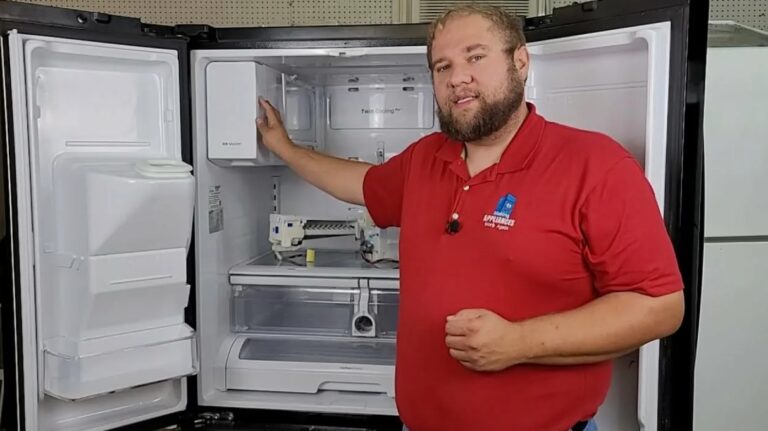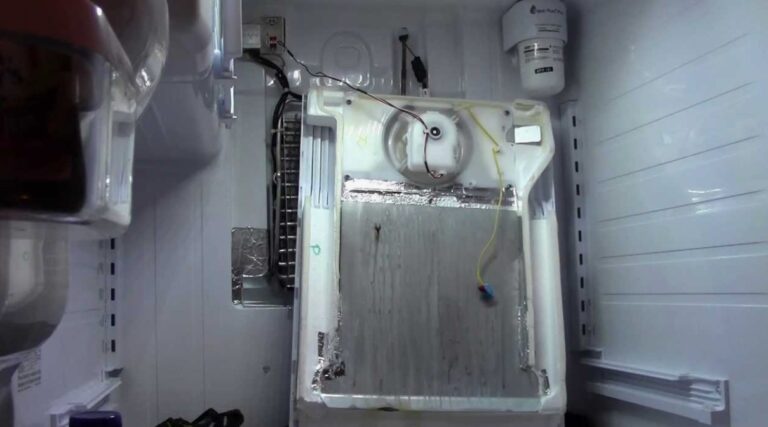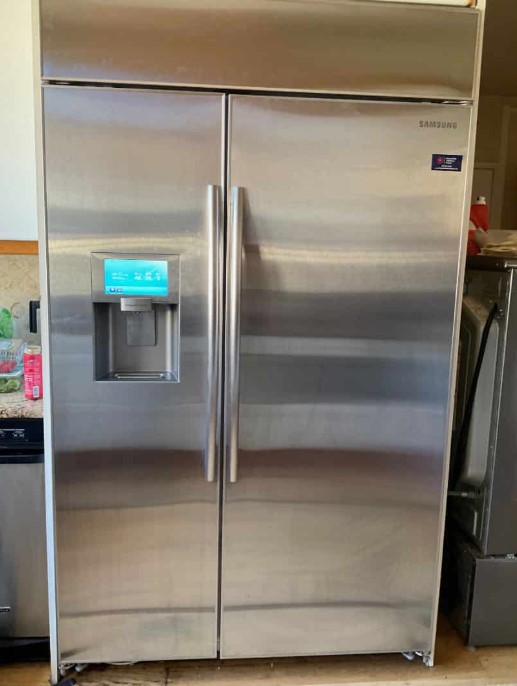
LG Ice Maker Not Working is a frustrating problem for refrigerator owners, especially since the ice maker is often taken for granted until it suddenly ceases to produce ice. For LG refrigerator owners, understanding the common issues that can lead to this malfunction is crucial for timely repairs and restoring your appliance to optimal performance.
Several factors can contribute to an ice maker not working properly. Issues can range from simple settings adjustments to more complex mechanical failures. It’s essential to diagnose the root cause correctly before attempting any fixes. This guide will explore the most frequent causes of ice maker failures in LG refrigerators, alongside practical solutions to help you troubleshoot the situation effectively.
By identifying the symptoms and applying the appropriate fixes, you can save both time and money, potentially avoiding costly service calls. Whether you’re dealing with a blockage, a temperature issue, or a faulty component, addressing these challenges can lead to a fully functional ice maker and a more enjoyable home experience.
Check Power Supply and Connections
When your LG ice maker is not functioning properly, one of the first steps to troubleshoot the issue is to check the power supply and connections. An ice maker requires a consistent power source to operate effectively.
Steps to Check Power Supply
- Inspect Power Cord: Ensure that the power cord is securely plugged into the outlet. If it appears damaged or frayed, it may need replacing.
- Check the Outlet: Test the electrical outlet with another appliance to confirm that it is providing power. If the outlet is not working, you may need to reset the circuit breaker.
- Use a Voltage Tester: If you have a voltage tester, use it to check if power is reaching the ice maker’s connector. No power indicates a possible issue with the internal wiring or the outlet itself.
Inspect Connections
- Examine Wiring Connections: Open the ice maker housing and check for loose or corroded wiring connections. Tighten any loose wires and clean corrosion to ensure a proper connection.
- Check the Water Supply Connection: Ensure that the water supply line is connected correctly and that there are no kinks or blockages that may prevent water flow.
- Review Ice Maker Settings: Verify that the ice maker is turned on and that any settings related to ice production are correctly configured.
By thoroughly checking the power supply and connections, you can rule out electrical issues as the root cause of an inoperative ice maker. If the power supply and connections are intact but the problem persists, further investigation into the unit may be necessary.
Inspect the Water Supply Line
The water supply line is crucial for the proper functioning of your LG ice maker. If the ice maker isn’t producing ice, the issue could stem from a blocked or frozen water supply line. Begin by checking the water line connected to the back of the refrigerator.
Check for Kinks or Bends
Inspect the water line for any kinks or bends that may restrict water flow. Ensure the line is straight and not pinched, which can prevent water from reaching the ice maker. If you find any issues, gently straighten the line to restore proper water flow.
Look for Blockages
Examine the line for blockages. Mineral buildup or debris can obstruct water flow, leading to ice maker malfunction. Disconnect the supply line and run water through it to check for any restrictions. If necessary, clear the line using a pipe cleaner or replace it if it is damaged.
Additionally, ensure that the water valve supplying the line is fully open. A partially closed valve can significantly reduce water flow to the ice maker, resulting in insufficient ice production.
If the water supply line appears to be clear and open, consider checking the connections and fittings for leaks or signs of wear. Replacing any damaged components can help restore the ice maker’s functionality.
Examine the Ice Maker Settings
When troubleshooting an LG ice maker that is not functioning properly, the first step is to check the settings. Often, ice makers have specific settings that can impact their operation. Ensure that the ice maker is turned on; some models have a dedicated switch to activate or deactivate the ice production function. If the ice maker is turned off, it will not produce ice, leading to potential frustration.
Next, examine the ice production setting. Many LG ice makers allow users to adjust the size and frequency of ice production. If the setting is on a lower production mode, it may lead to fewer ice cubes being made. Increase the production level if available to see if this resolves the issue.
Additionally, verify the water supply settings. Ice makers require a consistent and adequate water supply to function correctly. Check if the water fill level is set correctly and that there are no restrictions in the water line. Ensure that the water line is not kinked or blocked, as this can lead to ice maker failure.
Finally, consult the user manual for specific settings related to your model. Each ice maker may have unique features or configurations that need to be addressed. Understanding your model’s settings can lead to a quick resolution of the ice maker issue.
Clear Ice Blockages in the Ice Maker
Ice blockages in your LG ice maker can lead to a range of operational issues, including a lack of ice production. Addressing these blockages promptly can help restore normal function. Follow these steps to identify and clear any ice buildup.
Identifying Ice Blockages
Before attempting to clear blockages, it’s important to identify where the ice is accumulating. Common areas of blockage include:
- The ice bin
- The ice maker unit itself
- Water supply lines
- Dispensing chute
Look for signs of ice accumulation such as slower ice production or complete cessation of ice making. Inspect the components visually for any frost or ice buildup.
Steps to Clear Ice Blockages
- Unplug the Ice Maker: For safety, always unplug the unit before performing maintenance.
- Remove Ice Bin: Take out the ice bin and check for any large ice formations. Remove chunks of ice, and if necessary, leave the bin at room temperature to melt the remaining ice.
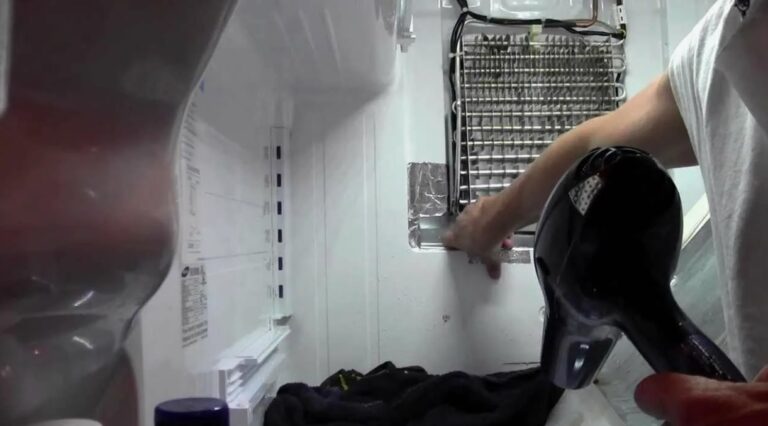
- Inspect Water Supply Line: Check the water supply line for any kinks or ice blockages. If the line is frozen, thaw it gently using warm water or a hairdryer on a low setting.
- Clear the Ice Maker Unit: Look inside the ice maker for any obstructions. Use a soft cloth or towel to wipe away any visible ice buildup.
- Examine the Dispensing Chute: Ensure that there is no ice blocking the chute. Clear any obstructions with a soft, non-abrasive tool.
- Reassemble and Test: Once all blockages are cleared, reassemble the ice maker and plug it back in. Monitor its performance to ensure proper operation.
If blockages persist despite these efforts, consider consulting the user manual or reaching out to a professional technician for further assistance.
Test the Water Filter Condition
To ensure proper ice production in your LG refrigerator, the water filter must be in good condition. A clogged or outdated water filter can restrict water flow, affecting the ice maker’s efficiency. Start by checking the age of the filter; most filters require replacement every six months or after filtering a specific amount of water, typically around 300 gallons.
Remove the water filter from its compartment and visually inspect it for any signs of damage or heavy discoloration. If the filter appears dirty or clogged, it needs to be replaced. Even if it looks clean, if it has been over six months since the last replacement, it is advisable to install a new one.
After replacing the filter, flush the system by dispensing water for a few minutes to ensure any trapped air or contaminants are cleared out. Then, monitor the ice maker’s operation over the next few hours to determine if the issue persists. A well-maintained water filter ensures optimal water quality and ice production, contributing to the overall performance of your refrigerator.
Assess the Temperature Settings of the Freezer
One of the fundamental causes of an LG ice maker malfunctioning can be attributed to incorrect temperature settings in the freezer. Proper temperature regulation is crucial for the effective production of ice. If the freezer is not cold enough, the ice maker may fail to produce ice efficiently or at all.
Recommended Freezer Temperature
The ideal temperature setting for your freezer should be around 0°F (-18°C). This temperature allows for optimal ice formation and preservation. If the temperature is set too high, it can lead to insufficient freezing conditions.
Steps to Check and Adjust Freezer Temperature
- Locate the temperature control dial or digital display on your freezer.
- Check the current temperature setting and ensure it is set to 0°F.
- If the temperature is above the recommended level, adjust the settings accordingly.
- Allow the freezer to stabilize after making adjustments, which may take several hours.
- Use a thermometer to verify the actual temperature inside the freezer after a few hours.
- If the temperature does not reach the desired level, further investigation may be needed.
In addition to checking the temperature settings, consider factors that might affect the freezer’s cooling efficiency, such as door seals, airflow, and the overall cleanliness of the appliance. Addressing these issues can improve the performance of the ice maker significantly.
Look for Error Codes on the Display
One of the first steps in diagnosing ice maker issues in LG refrigerators is to check the display panel for error codes. LG appliances often come equipped with an advanced diagnostic system that provides specific codes to indicate malfunctions. These codes can be invaluable for troubleshooting.
Understanding Error Codes
Error codes typically appear as a combination of letters and numbers on the appliance display. Each code corresponds to a specific issue related to the ice maker’s operation. For instance, a code such as «E1» may indicate a problem with the temperature sensor, whereas «E2» could relate to a water supply issue. To interpret these codes, refer to the user manual that accompanies your refrigerator, which usually contains a comprehensive list of error codes along with their meanings.
Troubleshooting Steps
Once you identify the error code, you can take steps to address the issue. First, consult the manual to understand the recommended actions. In some cases, resetting the ice maker by unplugging the refrigerator for a few minutes may resolve the error. If the problem persists, it may require professional service or replacement of specific components like the water inlet valve or ice maker assembly. Regular maintenance can also prevent future error occurrences, so always keep the appliance clean and check for clogged water filters regularly.
Inspect the Ice Maker Assembly for Damage
To resolve issues with your LG ice maker, begin by thoroughly inspecting the ice maker assembly for any signs of damage. This component is crucial for the proper production of ice and can often be the source of malfunction.
Start by disconnecting the ice maker from the power supply to ensure safety during your examination. Look for visible cracks, breaks, or corrosion on the assembly. These physical issues can prevent the ice maker from operating effectively.
Check the ice mold, which should be intact and free from any obstructions. If the mold is damaged or if ice buildup is present, it can hinder the freezing process. Ensure that the ejector blades are functioning correctly, as any issues here can block the ice from being dispensed.
Investigate the water inlet valve connected to the assembly. If this valve is clogged or defective, it may limit water flow, resulting in insufficient ice production. Ensure that the tubing leading to the ice maker is not kinked or blocked.
Additionally, consider examining the electrical connections. Damaged wiring or loose connections can prevent the ice maker from receiving power, causing it to malfunction.
Here is a summary of what to look for while inspecting the ice maker assembly:
| Component | Possible Issues | Action |
|---|---|---|
| Ice Mold | Cracks, breaks, ice buildup | Replace or clear ice buildup |
| Ejector Blades | Blockage, failure to rotate | Inspect and replace if necessary |
| Water Inlet Valve | Clogging, malfunction | Clean or replace the valve |
| Electrical Connections | Damaged wires, loose connections | Repair or secure connections |
If you discover any damage during your inspection, take the necessary steps to either repair or replace the affected components. Regular maintenance and timely repairs can significantly extend the life of your ice maker and enhance its performance.
Evaluate the Water Inlet Valve Functionality
The water inlet valve is a crucial component of your LG ice maker, responsible for regulating the flow of water into the ice-making system. If your ice maker is not producing ice, one of the first parts to inspect is the water inlet valve. Malfunctioning of this valve can lead to insufficient water flow, causing ice production to halt.
Signs of a Faulty Water Inlet Valve
To assess whether the water inlet valve is functioning properly, look for the following signs:
- Ice maker does not produce ice at all.
- Ice production is irregular or sporadic.
- Water leaks around the ice maker area, indicating a valve issue.
These symptoms can indicate that the water inlet valve is either clogged, defective, or not receiving power.
Testing the Water Inlet Valve
To evaluate the functionality of the water inlet valve, follow these steps:
- Power Off: Disconnect the refrigerator from the power supply to prevent any accidents.
- Access the Valve: Locate the water inlet valve, which is typically found at the back of the refrigerator. Remove any coverings or panels as needed.
- Inspect for Blockages: Check for any obstructions or calcified deposits that could impede water flow. Clean the valve if necessary.
- Test for Continuity: Use a multimeter to check for continuity across the valve’s terminals. A reading of zero indicates that the valve is faulty and needs replacement.
- Check Water Supply: Ensure the water supply line is connected and not kinked or frozen, as these can also affect valve operation.
If the water inlet valve fails any of these tests, it should be replaced to restore ice production capabilities. Doing so can often resolve the issue quickly and efficiently, ensuring your ice maker operates smoothly.
Check the Condenser Coils for Cleanliness
The condenser coils of your LG ice maker play a crucial role in the refrigeration cycle. These coils are responsible for dissipating heat, allowing the refrigeration system to maintain efficient cooling. If the coils become dirty or obstructed, the overall performance of the ice maker can be significantly compromised, leading to insufficient ice production or complete failure.
To check the cleanliness of the condenser coils, first, locate them, usually situated at the back or underneath the appliance. Inspect the coils for any visible dust, dirt, or debris accumulation. A layer of grime can hinder their ability to release heat, causing the refrigerator to work harder and potentially overheat.
If you find the coils dirty, it is important to clean them. Use a vacuum cleaner with a brush attachment or a soft brush to gently remove dust and debris from the surface of the coils. Be careful not to damage the fins, as they are fragile. Cleaning should be conducted regularly, ideally every six months, to ensure optimal performance.
After cleaning, monitor the performance of your ice maker. If issues persist despite clean coils, further investigation may be necessary, including checking other components of the ice maker or consulting a professional technician.
Consider Thermistor or Sensor Issues
The LG ice maker relies on various sensors and thermistors to monitor temperature and ice production. If your ice maker is not functioning properly, it is essential to examine these components, as they can cause disruptions in the ice-making process when malfunctioning.
Identifying Thermistor Problems
A thermistor is a temperature-sensitive resistor that can impact the ice maker’s ability to produce ice. If the thermistor is faulty or has poor connections, it may deliver incorrect temperature readings to the control board. This can lead to inadequate cooling, preventing ice from forming. To diagnose thermistor issues, follow these steps:
- Check the connections to the thermistor for any loose wires or corrosion.
- Use a multimeter to measure the thermistor’s resistance. Typical values should change with temperature; refer to the manufacturer’s specifications for exact readings.
- If readings are outside the acceptable range, consider replacing the thermistor.
Troubleshooting Sensor Failures
Another critical component is the ice level sensor, which determines whether the ice bin is full. A malfunctioning sensor may signal that the bin is full even when it is not, leading to a halt in ice production. To troubleshoot sensor issues:
- Inspect the sensor for dirt or ice buildup; clean as necessary.
- Test the sensor’s functionality using a multimeter, checking for continuity and proper operation.
- If the sensor is not functioning correctly, replace it with a compatible model.
Comparative Table of Thermistor and Sensor Symptoms
| Component | Possible Symptoms | Recommended Actions |
|---|---|---|
| Thermistor | Inadequate cooling, ice not forming | Check connections, verify resistance, replace if faulty |
| Ice Level Sensor | Ice maker stops producing ice prematurely | Inspect for dirt, test functionality, replace if necessary |
By addressing thermal and sensor-related issues, you can restore your LG ice maker’s efficient operation, ensuring a steady supply of ice whenever needed.
Review the Owner’s Manual for Specific Troubleshooting Steps
The owner’s manual is an essential resource when diagnosing issues with your LG ice maker. It contains specific guidelines tailored to your model, offering precise troubleshooting steps that may differ based on the design and features of the ice maker.
Start by locating the manual, as it typically accompanies the appliance or can be downloaded from LG’s official website. Once you have the manual, refer to the troubleshooting section, which often outlines common problems and their solutions.
Specific troubleshooting steps may include checks for water supply, ensuring the ice maker is correctly powered, or verifying that the temperature settings are appropriate. The manual will guide you through these checks systematically, helping identify the root cause of the malfunction.
Additionally, many manuals provide diagrams that illustrate key components of the ice maker, enhancing your understanding of where potential issues may arise. Familiarizing yourself with these components can be invaluable when attempting to pinpoint problems.
Reading through the manual not only equips you with the necessary knowledge to troubleshoot but also ensures that you follow manufacturer-recommended practices, which can prevent further damage to the unit. If the issue persists after following the outlined steps, consulting the manual may suggest contacting customer service for professional assistance.
Q&A — LG Ice Maker Not Working:
What are the common reasons why my LG ice maker is not producing ice?
There can be several reasons for an LG ice maker not functioning correctly. Common causes include a blocked water supply line, a malfunctioning water inlet valve, and problems with the ice maker itself, such as a faulty motor or electronic control issues. Additionally, the ice maker may not produce ice if the temperature in the freezer is too high or if the unit is not receiving enough water due to issues with the plumbing or filters.
How can I troubleshoot my LG ice maker if it stops working?
To troubleshoot your LG ice maker, first check the water supply. Ensure the water line is not kinked or frozen. Next, inspect the water inlet valve for any clogs or faults. You may also want to verify that the ice maker is switched on and the freezer temperature is set correctly, ideally below 0°F (-18°C). If these steps don’t resolve the issue, consider resetting the ice maker by turning it off for a few minutes and then back on.
Is there a way to fix a clogged water line in my LG ice maker?
If your LG ice maker has a clogged water line, you can take some steps to clear it. Start by unplugging the refrigerator to avoid any electrical issues. Disconnect the water line and check for obstructions. If you find ice or debris, you can use warm water to thaw the ice or clean the line. After clearing the blockage, reattach the water line, plug the refrigerator back in, and test the ice maker for functionality.
What should I do if my LG ice maker makes ice but the ice is discolored?
Discolored ice can indicate poor water quality or a dirty water filter. Check the water filter and replace it if it has been more than six months since the last change. Additionally, ensure that the water supply to the ice maker is clean. If the problem persists, there might be mold or bacteria within the ice maker itself, and you may need to clean the ice maker components thoroughly before trying again.
Can I fix my LG ice maker by myself, or should I call a professional?
Many minor issues with an LG ice maker can be resolved independently with basic tools and knowledge of appliance troubleshooting. However, if you encounter persistent problems, like electrical faults or complex mechanical issues, it is advisable to call a professional technician. They can provide the expertise needed to safely diagnose and fix the problem without risking further damage to your appliance.
What are some common reasons why my LG ice maker might not be working?
There are several reasons why your LG ice maker could be malfunctioning. One common issue is a blocked water supply line, which can prevent water from reaching the ice maker. Additionally, a faulty water filter may restrict water flow. Problems with the temperature, such as the freezer being too warm, can also affect ice production. Finally, mechanical issues like a stuck ice mold or a malfunctioning motor can cause the ice maker to fail.
What steps can I take to troubleshoot my LG ice maker that isn’t producing ice?
If your LG ice maker isn’t producing ice, first check the water supply to ensure it is not blocked or turned off. Next, inspect the water filter and replace it if it hasn’t been changed in a while. Verify that the freezer temperature is set to the appropriate level (typically around 0 degrees Fahrenheit). Look for any ice obstructions within the ice maker or ice mold. If it still doesn’t work, consider unplugging the refrigerator for a few minutes and then plugging it back in to reset the system. If these steps do not resolve the issue, you may need to consult a professional technician for further diagnosis.
Don’t let broken appliances disrupt your life — trust expert Appliance Repair services for fast, reliable fixes that get your home back on track today!