LG Dishwasher Repair is essential for appliances like LG dishwashers, known for their efficiency and reliability. When it comes to household appliances, LG dishwashers are known for their efficiency and reliability. However, like any other machine, they can experience issues over time. From poor cleaning performance to unusual noises, understanding common problems is crucial for effective maintenance and timely repairs. This article aims to provide you with practical solutions for the most frequent LG dishwasher issues, ensuring that you can keep your appliance running smoothly.
One of the most common complaints among LG dishwasher users is inadequate cleaning results. This problem can stem from various factors, including clogged spray arms or improper loading of dishes. Identifying these issues early on can save you time and prevent further malfunctions. Additionally, understanding how to maintain optimal water temperature and detergent levels can significantly improve your dishwasher’s performance.
Another frequent concern is the presence of leaks, which can lead not only to appliance damage but also to potential water damage in your kitchen. Addressing this issue promptly is essential to avoid more extensive repairs. This article will walk you through the steps needed to identify leak sources and perform the necessary repairs efficiently.
By familiarizing yourself with the most common issues and their solutions, you can extend the lifespan of your LG dishwasher and enhance its performance. Whether you’re a seasoned DIY enthusiast or a beginner, the guidance provided in this article will equip you with the knowledge you need to tackle LG dishwasher repairs confidently.
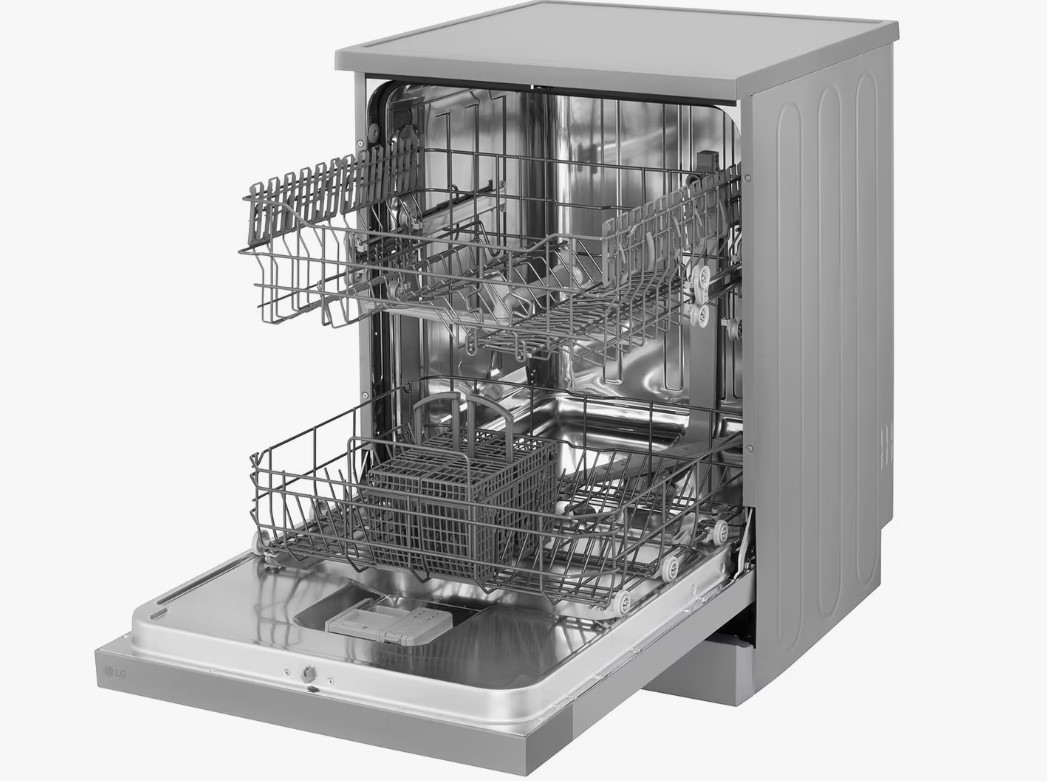
LG Dishwasher Repair: Understanding Error Codes on LG Dishwashers
LG dishwashers are designed to simplify the cleaning process, but like any appliance, they can encounter issues over time. When problems arise, error codes are displayed on the control panel to help users identify the issue. Understanding these codes is crucial for effective troubleshooting and repair.
Common Error Codes
Among the most frequently seen error codes is the LE code, which indicates a water leak. This code may be accompanied by water pooling near the appliance, requiring immediate attention to prevent further damage. In contrast, the OE error code signifies that the dishwasher is unable to drain water. This can result from a clogged filter or kinked drain hose and should be addressed promptly to ensure proper functionality.
Another notable error code is the UI code, which suggests a problem with the user interface or control board. This often requires resetting the dishwasher or, in some cases, a replacement of the control board if the issue persists. Similarly, the HE code points to an issue with heating, meaning the appliance is unable to reach the necessary water temperature for effective cleaning.
Interpreting Error Codes
Error codes can often be confusing, but each code is designed to provide insight into specific problems. For a user-friendly experience, LG provides a manual detailing what each error code means, along with recommended solutions. Checking the manual should be your first step, as it provides tailored troubleshooting for your specific model.
Moreover, some error codes may be transient and can be resolved by simply resetting the dishwasher. Turning the appliance off, waiting for several minutes, and then powering it back on can clear temporary glitches. However, persistent codes may indicate deeper issues that require professional service.
Maintaining regular service checks can help prevent error codes from appearing. Ensuring your dishwasher’s filters are clean, inspecting hoses for kinks, and checking for proper installation can mitigate many common problems. Keeping up with routine maintenance can greatly enhance the longevity and performance of your LG dishwasher.
Understanding and addressing error codes promptly not only improves the efficiency of your dishwasher but also extends its lifespan. Don’t ignore these warnings; they are built-in alerts to help you keep your appliance in optimal working condition.
Diagnosing Water Drainage Issues
Water drainage problems in LG dishwashers can manifest in various ways, including standing water at the bottom of the appliance, slow draining, or water not draining at all. Proper diagnosis is essential to determine whether the issue is due to a blockage, a faulty component, or something else altogether. Understanding these common signs can help you take the necessary steps to rectify the situation.
Signs of Drainage Issues
The first indication of a drainage issue is usually the presence of water pooling at the bottom of the dishwasher after a cycle. If your appliance fails to empty fully, it can lead to unpleasant odors and potential mold growth. Additionally, you may notice that dishes are not getting clean, as dirty water can remain trapped inside. Any unusual sounds, such as gurgling or grinding, might also suggest a plumbing obstruction.
To diagnose these problems, start by checking the filter and drain area for obstructions. The filter is often located at the bottom of the dishwasher and can become clogged with food particles. Cleaning this component can frequently resolve minor drainage issues. Always refer to your model’s manual for specific details on where the filter is located and how to clean it properly.
Inspecting Hoses and Components
If cleaning the filter does not resolve the issue, inspect the drain hose for kinks, clogs, or damage. Ensure the hose is properly connected and free of any twists that might impede water flow. A clogged drain hose may require removal and cleaning to ensure water can flow freely to the sink or garbage disposal.
Another aspect to inspect is the drain pump. The pump plays a crucial role in expelling water from the dishwasher. If it is malfunctioning due to debris or a motor issue, the dishwasher will not drain effectively. You may need to remove the pump for thorough cleaning or replacement if it is found to be defective.
In some cases, a problem with the home’s plumbing can also contribute to drainage issues. Ensure that there are no obstructions in the local plumbing that could affect the dishwasher’s drainage. Additionally, check the garbage disposal if your dishwasher drains into it, as blockages within it could back up water into the dishwasher.
By systematically checking these elements–filters, hoses, and pumps–you can effectively diagnose the root of water drainage issues in your LG dishwasher. Regular maintenance can prevent many of these problems from occurring and ensure your dishwasher operates efficiently for years to come.
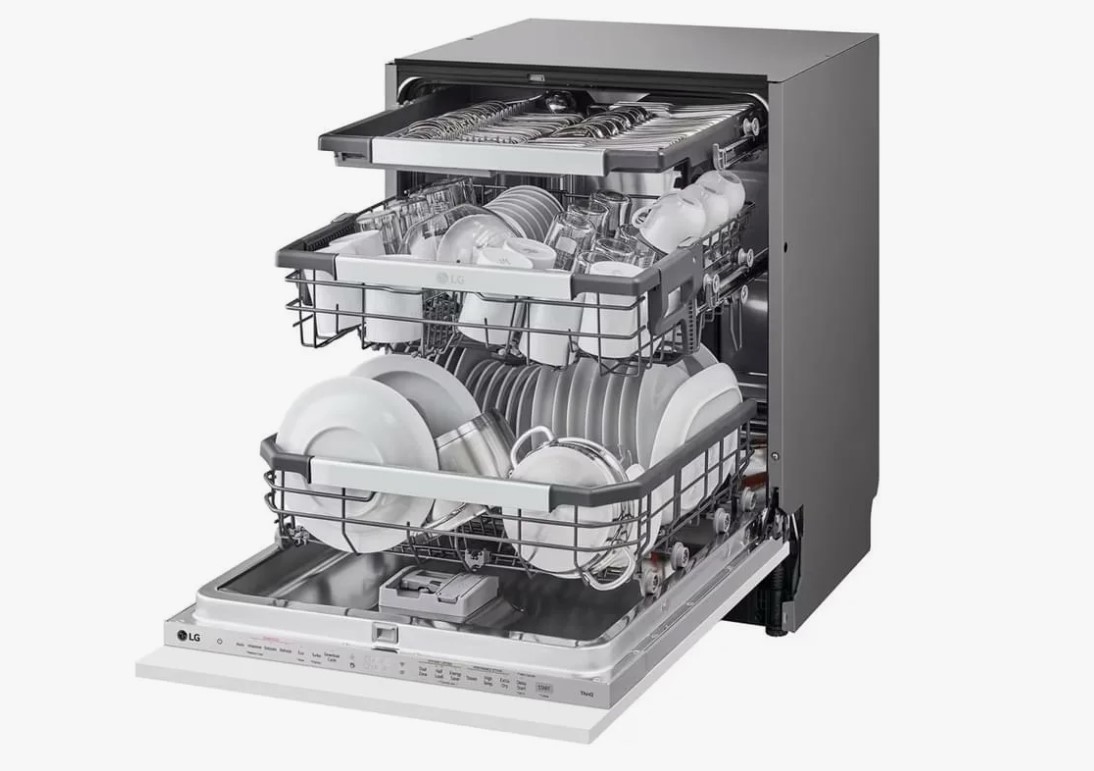
Troubleshooting Excessive Noise During Operation
Excessive noise in your LG dishwasher can be both annoying and indicative of underlying issues. Common sources of noise include loose components, water spray arms hitting dishes, or foreign objects trapped in the pump. Begin by inspecting the interior of the dishwasher. Check for any items, such as utensils or small pieces of food, that might obstruct the spray arms or filter. If you notice any broken parts, consider replacing them to reduce noise.
Next, ensure that the dishwasher is correctly leveled. An uneven installation can cause vibrations, resulting in amplified noise during the wash cycle. Use a level tool to check the machine’s alignment, adjusting the feet as necessary. Additionally, check the mounting brackets and screws to confirm they are secure. If the machine is still noisy after these adjustments, the motor or pump may be the source of the problem.
If you’ve ruled out the above issues and the dishwasher continues to be loud, it may indicate a need for technical inspection. Power off the appliance and listen for unusual sounds during the cycle restart. Sudden loud noises could suggest a failing motor or pump problems, which may require replacement. Consulting a qualified technician can provide insight into deeper mechanical issues that might need addressing.
Resolving Door Seal and Lock Problems
The door seal and lock are crucial components of an LG dishwasher, as they ensure proper functioning during wash cycles. If the dishwasher fails to start or shows signs of leakage, the door seal or lock might be the source of the problem. Inspect the rubber seal for any visible wear, cracks, or debris that may prevent it from forming a tight seal. A damaged seal often leads to water leakage, which can cause further issues and requires immediate attention.
Inspecting the Door Seal
To inspect the door seal, gently wipe it clean with a damp cloth to remove any residue or food particles. After cleaning, examine the seal closely for any signs of damage. If you find tears or significant wear, replacing the seal is typically necessary. You can order a compatible replacement part from LG’s official website or authorized dealers. Installation is straightforward; simply remove the old seal and fit the new one into place, ensuring it is properly aligned to prevent leaks.
Troubleshooting the Door Lock Mechanism
The door lock mechanism is responsible for securing the dishwasher door during operation. If the door won’t latch, check for any obstructions in the latch area. Sometimes, small objects can get lodged and prevent a proper connection. Additionally, examine the latch for any signs of damage; if it appears bent or nonfunctional, it may need replacement. Ensure that the lock mechanism functions smoothly by engaging and disengaging it a few times, as any sticking could indicate a need for lubrication or replacement.
If replacing the door seal or lock does not resolve the issues, consider testing the wiring connected to the door lock switch, as faulty wiring could disrupt the entire operation. Refer to the dishwasher’s user manual for guidance on locating and addressing wiring issues. With the right tools and patience, resolving door seal and lock problems can restore your LG dishwasher’s performance effectively.
Addressing Poor Cleaning Performance
Poor cleaning performance in an LG dishwasher can be frustrating, but several factors may contribute to this issue. The first step in troubleshooting is to examine the spray arms. Ensure they are not clogged with food debris or mineral buildup. Remove them and rinse under warm water, using a toothpick to clear any obstructed holes. Regular maintenance of the spray arms significantly improves water distribution and cleaning efficiency.
Check Filter and Drainage
The dishwasher filter often collects food particles and grease, which can hinder performance. It’s advisable to clean the filter at least once a month. To do this, locate the filter at the bottom of the tub, unscrew it, and rinse thoroughly under warm water. Additionally, inspect the drainage area for any blockages. A clear drainage pathway ensures that water circulates effectively, enhancing cleaning results.
Load Dishes Properly
Another common oversight is improper loading of the dishwasher. When dishes are stacked too closely, water cannot reach all surfaces effectively. Follow these tips for optimal loading:
- Place larger items on the bottom rack and smaller items on the top rack.
- Ensure that items are not obstructing the spray arms from rotating.
- Avoid nesting bowls and cups together, which can trap food particles.
Lastly, consider the quality of detergent being used. Using the wrong type or insufficient quantity of detergent can lead to poor cleaning results. Ensure you are using a high-quality dishwasher detergent and following the manufacturer’s recommendations for dosage. If the issue persists, there may be an underlying mechanical problem, such as a malfunctioning pump or heating element, which would require professional assistance.
Fixing Water Leakage Issues
Water leakage in LG dishwashers can cause significant damage to both the appliance and the kitchen environment. Identifying the source of the leak is the first step in addressing the issue. Common causes include worn-out door seals, clogged filters, and damaged hoses. A systematic approach will allow you to effectively troubleshoot and resolve the problem.
Inspecting Door Seals
The door seals are crucial for maintaining a watertight environment inside the dishwasher. Start by checking the rubber gasket around the door for any signs of wear or cracks. If the seal appears damaged, replacing it is essential to prevent leaks. Ensure the area is clean and dry before installing a new gasket to achieve a proper seal.
Examining Hoses and Connections
Another common cause of leaks is the hoses that supply and drain water. Inspect the inlet and drain hoses for any kinks, cracks, or loose connections. Tighten any loose clamps and replace damaged hoses to fix leaks. Additionally, check for any obstructions in the hose that may hinder proper drainage, causing water to accumulate and leak.
Clogged filters can also lead to water retention within the dishwasher. Regular maintenance, including cleaning the filter, is vital for optimal operation. Remove the filter and rinse it under warm water to eliminate food debris and buildup. This simple step can prevent leaks by ensuring that water flows freely during the wash cycle.
If you have addressed the seals, hoses, and filters but still encounter leaks, it may be time to consult a professional technician. They can identify more complex issues such as problems with the pump or internal components. Timely attention to leakage issues can extend the life of your LG dishwasher and protect your home from water damage.
Confronting Electrical Supply Malfunctions
Electrical supply malfunctions in LG dishwashers can lead to operational issues, ranging from failure to power on to erratic behavior during cycles. One common sign of electrical trouble is a dishwasher that refuses to start. This can stem from a faulty power cord, damaged plug, or issues within the circuit breaker. It is essential to ensure that the appliance is properly plugged into a functioning outlet and that the circuit breaker has not been tripped.
To effectively diagnose electrical supply issues, it is advisable to perform a systematic check. First, inspect the power connections and cords for any visible damage. Next, use a multimeter to test the outlet voltage and continuity. Below is a table highlighting key voltage specifications for LG dishwashers as well as troubleshooting steps:
| Voltage Specification | Troubleshooting Steps |
|---|---|
| 120V | Check the power cord and outlet for damage. |
| Grounded Outlet | Ensure outlet is properly grounded, use a multimeter if necessary. |
| 15-20 Amp Circuit | Inspect the circuit breaker and reset if tripped. |
If the appliance still does not operate after these checks, the issue may lie within the internal components, such as the control module or wiring connections. At this point, consult a professional technician for further diagnosis and repair. Addressing electrical supply malfunctions promptly can prevent more significant damage and prolong your dishwasher’s lifespan.
Replacing Worn-Out Spray Arms
Over time, the spray arms in your LG dishwasher can become worn or clogged, leading to ineffective cleaning performance. If you notice that dishes aren’t coming out clean despite following proper loading techniques, inspecting the spray arms should be your first step. These arms are crucial as they distribute water throughout the dishwasher during the wash cycle, so any damage can significantly affect cleaning efficiency.
To replace a worn-out spray arm, begin by turning off the dishwasher and disconnecting it from the power supply. Open the door and remove the bottom rack to gain access to the spray arm. Most spray arms can be unscrewed or simply pulled off, but be sure to consult your specific model’s user manual for detailed instructions. After removing the old arm, clean any debris or buildup in the spray arm assembly area to ensure optimal performance. Install the new spray arm by reversing the removal process, making sure it is securely fastened.
Regular inspection and maintenance of spray arms can help prolong their lifespan. It is advisable to check for clogs or damages every few months, especially if you frequently use your dishwasher. By replacing worn-out spray arms promptly, you can ensure your LG dishwasher operates at peak efficiency, providing consistently clean dishes with every wash cycle.
Solving Odor Problems in the Dishwasher
Odors in the dishwasher can be a significant inconvenience, often stemming from food particles, grime, or stagnant water. Observing these unpleasant smells can prompt concerns about the cleanliness of dishes. Understanding the root causes is the first step towards effective remediation.
One of the most common causes of odor buildup is residual food debris trapped in the filter or spray arms. It’s essential to regularly clean these components. Start by removing the filter and rinsing it under warm water. A soft brush can help dislodge stubborn particles. Similarly, checking the spray arms for blockages can help ensure proper water flow during wash cycles.
Another practical step is to inspect the drain for clogs. Food waste can accumulate, leading to unpleasant smells. If you suspect a blockage, a thorough examination of the drain hose is crucial. Detach the hose and clear any debris that may have collected inside. Reattaching the hose securely after cleaning is also vital.
| Cause of Odor | Solution |
|---|---|
| Food Debris in Filter | Remove and clean the filter with water and a soft brush. |
| Blocked Spray Arms | Check for clogs and clear any obstructions. |
| Drain Clogs | Inspect and clean the drain hose to remove blockages. |
| Stagnant Water | Run a cleaning cycle with vinegar or a dishwasher cleaner. |
Moreover, stagnant water can often lead to odors. Running a cleaning cycle with vinegar or a specialized dishwasher cleaner can help eliminate these smells. Simply place a cup of vinegar in the top rack and run a hot cycle. This process breaks down grease and neutralizes odors.
Lastly, maintaining proper ventilation is essential. Leaving the dishwasher door slightly ajar after cycles can promote air circulation, preventing moisture buildup and accompanying odors. Regular maintenance and simple preventative measures can keep your LG dishwasher smelling fresh and functioning efficiently.
Proper Maintenance Tips to Prevent Future Issues
Regular maintenance of your LG dishwasher is crucial to ensure its longevity and optimal performance. One essential practice is to clean the filter monthly. The filter traps food particles and debris, preventing them from clogging the spray arms and draining system. To clean the filter, remove it according to the manufacturer’s instructions and rinse it under warm water. Make sure any remaining debris is gently scrubbed away before reinserting it.
Inspect the Spray Arms
Another key maintenance tip is to frequently inspect the spray arms for blockages. Over time, food particles and hard water deposits can accumulate in the spray nozzles, leading to poor cleaning performance. Regularly check the spray arms for any signs of clogs and ensure they can rotate freely. If necessary, clean them with a soft brush and soak them in vinegar to dissolve mineral build-up, enhancing their effectiveness.
Maintain Proper Loading Techniques
Proper loading of dishes also contributes significantly to the maintenance of your dishwasher. Ensure that items are not overcrowded and that they are positioned to allow water to reach all surfaces. Avoid blocking the spray arms with large items, and consult the user manual for recommended loading patterns. This simple practice not only enhances cleaning results but also reduces strain on the appliance, helping to prevent potential issues down the road.
Q&A: LG Dishwasher Repair — Solutions for Common Problems
What are some signs that my LG dishwasher needs repair?
There are several indicators that your LG dishwasher may require repair. Common signs include unusual noises during operation, water not draining properly, dishes not cleaning thoroughly, leaking water, or error codes appearing on the display. If you notice any persistent issues, it’s advisable to assess the situation and consider contacting a professional for further diagnosis.
How can I troubleshoot my LG dishwasher if it won’t start?
If your LG dishwasher won’t start, begin by checking that the door is fully closed and latched. Ensure that the dishwasher is plugged in and that the circuit breaker hasn’t tripped. If these basic checks don’t resolve the issue, inspect the control panel for any blinking lights or error codes. You might also want to test the start button or reset the machine by unplugging it for a few minutes and plugging it back in.
Why is my LG dishwasher not cleaning dishes properly?
There are several reasons why your LG dishwasher might not be cleaning effectively. Clogged spray arms can prevent water from reaching all dishes. Check for food debris or mineral build-up and clean the spray arms if necessary. Additionally, ensure that you are loading the dishwasher correctly, as overcrowding can block spray arms and restrict water flow. Using the right detergent and ensuring a proper rinse aid can also improve cleaning performance.
What should I do if my LG dishwasher is leaking water?
If you discover water leaking from your LG dishwasher, first stop the dishwasher and disconnect it from the power source. Check for obvious issues such as a damaged door seal or a loose hose connection. Inspect the drain hose for kinks or blockages, and ensure that the dishwasher is level, as improper leveling can cause leaks. If the problem persists, contacting a repair technician is recommended for further inspection and repair.
How often should I perform maintenance on my LG dishwasher?
Regular maintenance can help prolong the life of your LG dishwasher and improve its performance. It’s advisable to clean the filter every month, check and clean the spray arms quarterly, and wipe down the door seals regularly. Additionally, running a maintenance cycle with a dishwasher cleaner every few months can help reduce buildup within the appliance. Being proactive about maintenance can prevent more significant issues down the line.
What are the common problems that can occur with an LG dishwasher?
Common issues with LG dishwashers include problems such as improper draining, dishes not coming out clean, unusual noises during operation, and error codes appearing on the display. Users often encounter clogged filters, malfunctioning spray arms, or issues with the door latch that can affect performance. It’s important to address these problems promptly to maintain the dishwasher’s efficiency.
How can I troubleshoot and fix a noisy LG dishwasher?
If your LG dishwasher is making strange noises, first check for any loose items, such as silverware or dishes, that may be obstructing the spray arms. Ensure that the spray arms can rotate freely. Next, inspect the dishwasher for any worn-out components, such as the motor or bearings, which may need replacing. If the noise persists, consider running a diagnostic cycle to see if any error codes are displayed, indicating specific issues that need attention. Consulting the user manual or contacting a professional may also be necessary for more complex problems.
Don’t let broken appliances disrupt your life — trust expert Appliance Repair services for fast, reliable fixes that get your home back on track today!