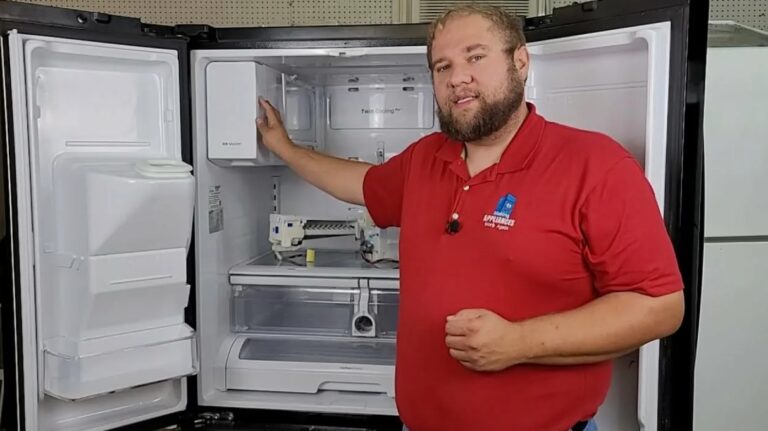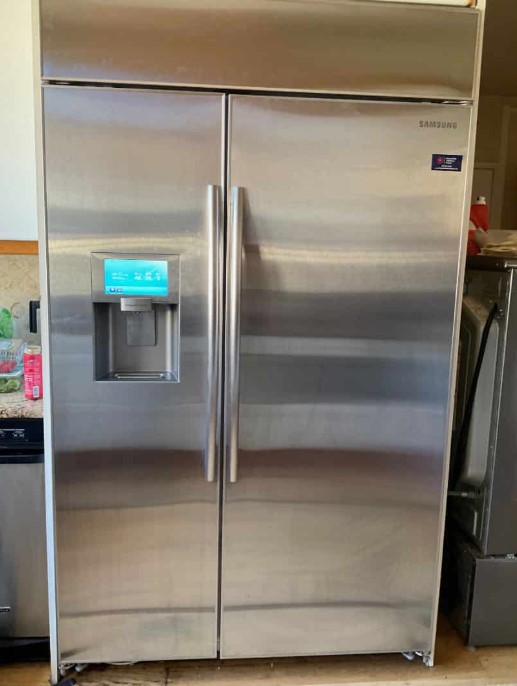
Samsung Refrigerator Repair is essential when these appliances, known for their innovative technology and reliability, encounter issues over time. Samsung refrigerators are known for their innovative technology and reliability; however, like any appliance, they can encounter issues over time. Understanding the common problems that may arise can help homeowners identify and address these issues promptly, preventing further damage and costly repairs.
One prevalent issue affecting Samsung refrigerators is temperature inconsistency. Many users report fluctuations in interior temperatures, which can lead to spoiled food and beverages. This problem often results from a malfunctioning thermostat or a blocked condenser, hindering the cooling process.
Another common concern is excessive noise during operation. While some sounds are normal, unusual or loud noises can indicate underlying mechanical problems, such as worn-out fan motors or debris in the refrigerator’s components. Addressing these noises early can prevent more significant repairs down the line.
Additionally, water leakage is a significant issue that homeowners may face with Samsung refrigerators. This can be caused by clogged defrost drains or faulty door seals. Left unaddressed, water leaks can lead to mold growth and damage to surrounding cabinetry and flooring.
By familiarizing themselves with these common issues, Samsung refrigerator owners can take proactive steps to maintain their appliances, ensuring longevity and optimal performance.
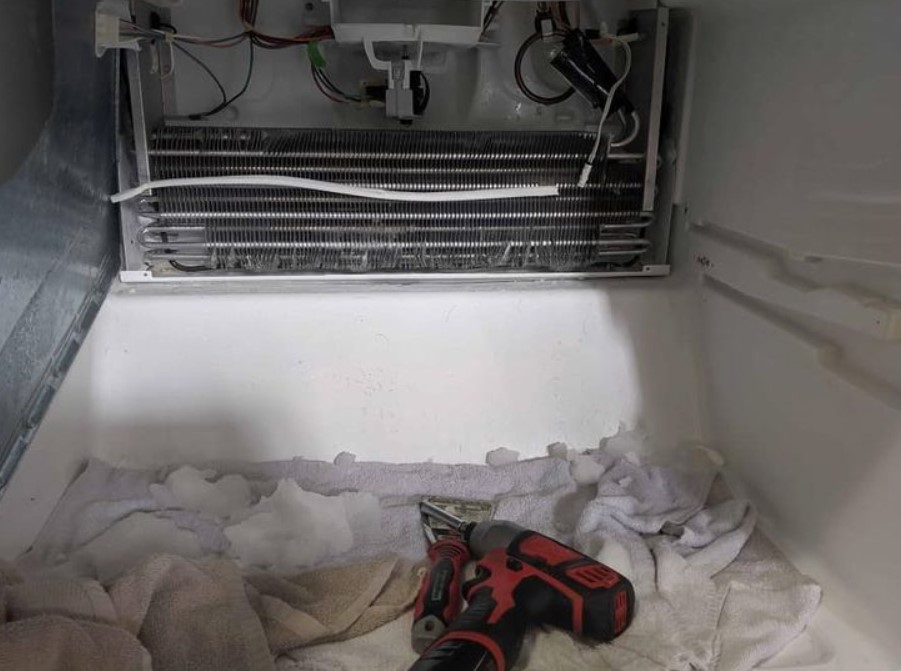
Common Problems that Lead to Samsung Refrigerator Repair
Samsung refrigerators are known for their innovative features and reliability, but like any appliance, they can encounter issues over time. Understanding common problems can help you take action before they escalate into costly repairs. One prevalent issue is inconsistent temperature control. This can manifest as food spoiling too quickly or not staying sufficiently cold. Often, this problem stems from a malfunctioning thermostat or a blocked air vent.
Compressor Failures
The compressor is a critical component in any refrigerator. In Samsung models, compressor failure can occur due to wear and tear or electrical issues. A failing compressor may produce unusual noises or could stop running altogether, leading to a complete loss of cooling. Regular maintenance and timely service can extend the life of this crucial part.
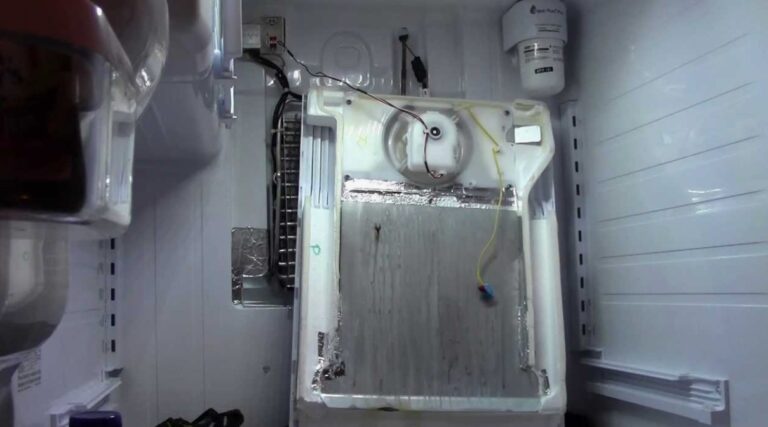
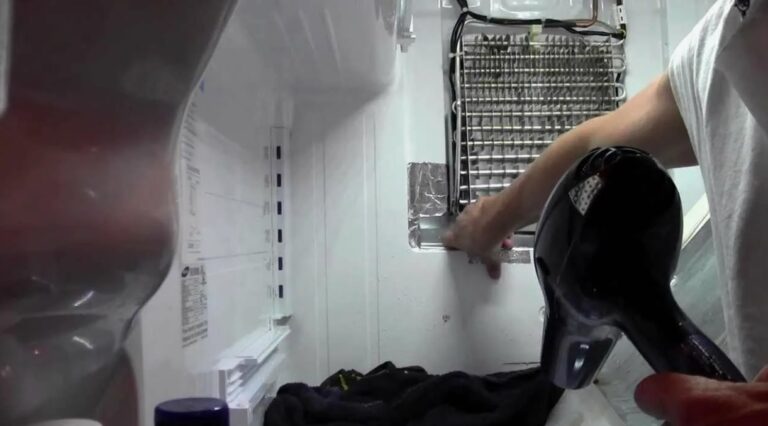
Another frequent complaint involves excessive frost buildup in the freezer compartment. This can be attributed to a faulty defrost heater or a malfunctioning door seal. When seals are damaged, warm air enters the freezer, leading to condensation and frost formation. Addressing door seals and inspecting the defrost system can mitigate this issue effectively.
Water Leakage and Ice Maker Issues
Water leakage is another common problem faced by Samsung refrigerator owners. This can result from clogged defrost drain or a damaged water supply line. When not attended to, these leaks can cause water damage to flooring and other areas in the kitchen. Identifying the source of the leak and performing repairs promptly is essential.
Additionally, ice maker malfunctions can be frustrating. Problems may arise from issues with the ice maker unit itself or the water supply line leading to it. If the ice maker is not producing ice or if the ice is clumping together, it requires immediate attention to prevent further complications.
In conclusion, routine maintenance and early detection of these common problems can help ensure your Samsung refrigerator functions optimally. Whether it’s temperature inconsistencies, compressor issues, frost buildup, water leaks, or ice maker failures, addressing these concerns quickly can save you time and money in the long run.
Inconsistent Temperature Control in Samsung Refrigerators
One of the most common issues faced by Samsung refrigerator owners is inconsistent temperature control. This can lead to food spoilage, compromises in food safety, and general frustration for users. Understanding the root causes of this issue is crucial for effective troubleshooting and maintaining optimal performance.
Temperature inconsistency often originates from the refrigerator’s cooling system. A malfunctioning compressor can struggle to maintain the desired temperature, resulting in fluctuating internal conditions. If the compressor fails to turn on or off at the appropriate times, it can lead to a fridge that is either too cold or not cold enough.
Contributing Factors to Temperature Fluctuations
- Blocked Vents: Proper airflow is essential for maintaining consistent temperatures. Food items blocking vents or dust accumulation can impede airflow, leading to uneven cooling.
- Faulty Thermostat: The thermostat controls the temperature by adjusting the compressor’s operation. A malfunctioning thermostat may fail to detect the actual temperature, causing inconsistent cooling.
- Door Seal Issues: Worn or damaged door seals can allow warm air to enter the refrigerator, disrupting internal temperatures. Regular checks for seal integrity can prevent this problem.
Furthermore, electrical issues, such as problems with the control board, can also contribute to temperature inconsistencies. A faulty control board may send incorrect signals to the compressor and fan, resulting in inadequate cooling performance.
Maintenance Tips to Ensure Consistent Temperature
- Regularly clean the condenser coils to ensure efficient heat exchange.
- Check and replace worn door seals to maintain airtight closures.
- Ensure that food items are not blocking airflow vents inside the refrigerator.
If inconsistent temperature control persists despite maintenance efforts, it may be necessary to consult a professional for repair. Technicians can diagnose issues related to the compressor, thermostat, or control board more effectively.
In conclusion, maintaining consistent temperature control in Samsung refrigerators is essential for food preservation and overall appliance efficiency. Understanding the common causes and implementing regular maintenance can significantly reduce the likelihood of temperature-related issues.
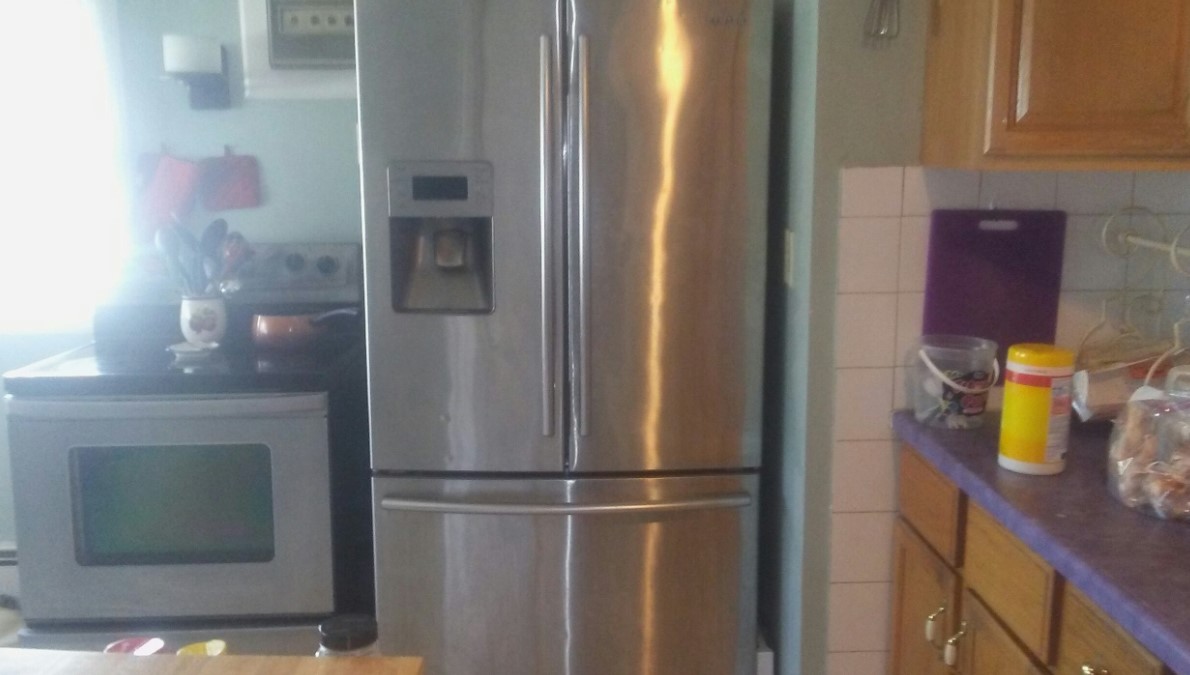
Frequent Water Leakage Issues in Samsung Models
Water leakage in Samsung refrigerators is a common concern faced by users. This issue can arise from various factors, leading to potential damage and inconvenience. Proper understanding of these causes can aid in diagnosis and preventive measures.
- Clogged Defrost Drain: One of the primary reasons for water leakage is a clogged defrost drain. This drain prevents excess water from building up after defrosting cycles. When it is blocked by food particles or ice, water can overflow and leak onto the floor.
- Poor Door Seal: The door seal plays a crucial role in maintaining the internal temperature of the refrigerator. A damaged or worn-out seal can allow warm air to enter, causing condensation that can lead to water pooling inside the fridge.
Additionally, improper leveling of the refrigerator can exacerbate leakage issues. If the appliance is not level, water might not flow adequately towards the drain, increasing the chance of spillage. Users should regularly check the alignment of their Samsung refrigerators to avoid such problems.
- Inspect the defrost drain for clogs and clear debris.
- Examine the door seals for any wear and replace if necessary.
- Ensure the refrigerator is level on the floor.
In some cases, the water filter may cause issues if it is not installed correctly or is reaching the end of its life. Replacement filters should be compatible with the specific model to minimize the risk of leaks. Addressing these common causes can significantly reduce the occurrence of water leakage in Samsung refrigerator models.
Unusual Noises from Your Samsung Refrigerator
Unusual noises emanating from your Samsung refrigerator can be concerning and often indicate underlying issues that need attention. Common sounds include buzzing, clicking, and popping. A buzzing noise may stem from the condenser fan, while clicking could be a sign of the compressor attempting to start but failing. Popping noises might indicate thermal expansion or contraction of refrigerator components. Understanding these sounds can help in diagnosing the problem early, potentially saving you from more significant repairs in the future.
Table of Common Sounds and Their Causes
| Noise Type | Possible Cause | Recommended Action |
|---|---|---|
| Buzzing | Condenser fan malfunction | Inspect and clean the fan |
| Clicking | Compressor issues | Consult a technician |
| Popping | Thermal expansion | No action needed; it’s normal |
| Rattling | Loose components | Tighten screws and reassemble |
If you notice persistent unusual noises that cannot be attributed to these common causes, it’s advisable to seek professional assistance. Over time, neglected issues may escalate and disrupt the overall function of your refrigerator. Regular maintenance checks can help ensure your appliance operates quietly and efficiently.
Ice Buildup in the Freezer Compartment
Ice buildup in the freezer compartment is a common issue that can significantly affect the performance of Samsung refrigerators. This problem can lead to decreased storage space, increased energy consumption, and even potential damage to the appliance if left unaddressed. Understanding the causes and solutions for ice buildup is crucial for maintaining the efficiency and longevity of your refrigerator.
Common Causes
Several factors can contribute to ice accumulation in the freezer. One of the primary causes is a faulty door seal, which allows warm air to enter the compartment, causing condensation that freezes. Another factor could be a blocked defrost drain, which leads to water pooling and subsequently freezing. Additionally, improper temperature settings and frequent door openings can exacerbate the issue by introducing moisture into the freezer environment.
Symptoms of Ice Buildup
Recognizing the signs of ice buildup is essential for timely intervention. Some noticeable symptoms include:
| Symptom | Description |
|---|---|
| Frost Accumulation | Visible layers of frost on food items or the walls of the freezer. |
| Reduced Storage Space | Limited capacity to store items due to excessive ice. |
| Unusual Noises | Strange sounds from the refrigerator, such as popping or cracking as ice expands. |
Failure to address ice buildup can lead to other refrigerator malfunctions. For instance, the appliance may have to work harder to maintain the desired temperature, resulting in higher energy bills and increased wear on the compressor. Regular maintenance, including checking door seals and defrost drains, can help prevent ice accumulation.
If you’re experiencing ice buildup in your Samsung refrigerator, prompt action can save you from more significant repairs. Regularly inspect your appliance for signs of frost, maintain appropriate temperature settings, and ensure that the door seals are intact. In case the issue persists, consulting a professional repair technician may be necessary to address underlying problems effectively.
Faulty Door Seals Causing Cold Air Loss
One of the common issues in Samsung refrigerators is the failure of door seals. These rubber gaskets are essential in maintaining a closed environment inside the fridge. When door seals are damaged or worn out, they can no longer create an airtight barrier, allowing cold air to escape and warm air to enter.
Signs of Faulty Door Seals
- Increased energy bills due to excessive energy consumption.
- Frost buildup inside the refrigerator or on food items.
- Unusual noises from the refrigerator, indicating overworking compressors.
- Condensation around the door edges or pooling water on the floor.
To assess the condition of the door seals, conduct a simple visual inspection. Look for cracks, tears, or any signs of deterioration. Additionally, a «dollar bill test» can be performed. Slide a dollar bill between the door and the frame; if it easily slips out, the seal is likely compromised.
Impact on Refrigerator Performance
Faulty door seals can significantly affect the overall performance of your refrigerator. An inadequate seal forces the cooling system to work harder to maintain the desired temperature. This not only leads to increased wear and tear on essential components but also affects food preservation, resulting in spoilage.
Replacing damaged seals is often a straightforward process. Many Samsung refrigerators come with replaceable gaskets, so you can typically purchase the required parts directly from the manufacturer or authorized dealers. Regular maintenance and inspection of door seals can help prolong the lifespan of your appliance.
In conclusion, addressing faulty door seals promptly is crucial for efficient refrigerator operation. Regular inspections and maintenance can prevent potential cold air loss and ensure your Samsung refrigerator functions optimally for years to come.
Malfunctioning Ice Maker in Samsung Refrigerators
The ice maker in Samsung refrigerators is a convenient feature that enhances user experience by providing a steady supply of ice. However, several common problems can lead to its malfunction, impacting functionality and leading to potential repair needs.
One prevalent issue is a blockage in the water line. If the water line that feeds the ice maker becomes frozen or clogged, ice production will cease. This problem often stems from a kinked line or a build-up of mineral deposits. Regularly inspecting the water supply line can help prevent this issue from arising.
- Check for visible kinks in the tubing.
- Inspect for any blockages along the supply path.
- If necessary, replace the water filter regularly to avoid sediment buildup.
Another common concern is a malfunctioning ice maker assembly. Components such as the ice mold, heater, and ejector arm can fail due to wear and tear over time. A faulty assembly may result in improper ice formation or failure to eject the ice at all, necessitating repairs or even replacement.
Temperature inconsistencies in the freezer compartment can also affect ice production. If the freezer is too warm, the ice maker may not operate as intended. On the other hand, excessively low temperatures could freeze the water line. Users should ensure that their freezer maintains a stable temperature within the recommended range.
- Set the freezer temperature to around 0°F (-18°C).
- Avoid overloading the freezer with items.
- Monitor door seals to prevent cold air from escaping.
Electrical issues may also lead to ice maker malfunctions. Faulty wiring, blown fuses, or tripped circuit breakers can disrupt the ice maker’s operation. Regular electrical checks can prevent these issues from escalating and ensure that the ice maker functions efficiently.
In conclusion, addressing the various issues that can affect the ice maker in Samsung refrigerators is crucial for maintaining their efficiency. From blockages and mechanical failures to temperature fluctuations and electrical problems, being proactive can help users avoid extensive repairs. Keeping an eye on these aspects ensures that the ice maker remains a reliable feature in the home.
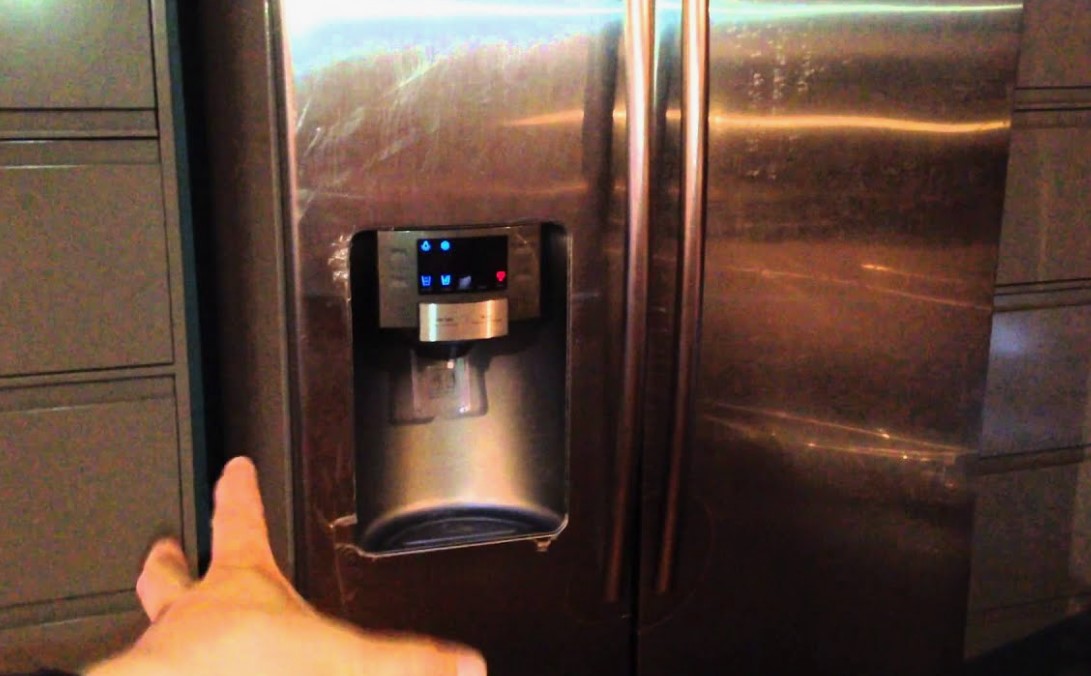
Samsung Refrigerator Not Running or Turning Off Periodically
One common issue that Samsung refrigerator users may encounter is the appliance not running or turning off intermittently. This problem can stem from a variety of causes, including electrical issues, thermostat malfunctions, or the presence of excessive dust and debris. If the refrigerator is not receiving a consistent power supply, it may cause the compressor to shut down unexpectedly, resulting in spoiled food and increased energy costs.
Thermostat problems are often the root cause of these failures. If the thermostat is malfunctioning, it could either fail to signal the compressor to turn on or misread the internal temperature, leading to erratic cycling. Users should check the thermostat settings and ensure they are properly configured, as an improperly set thermostat can cause frequent on-off cycles that disrupt normal refrigerator function.
Another potential reason for this issue is the accumulation of dirt and dust on the condenser coils. These coils are vital for dissipating heat from the refrigerant. When they become dirty, the appliance has to work harder to maintain the desired temperature, which can lead to overheating and the refrigerator shutting off. Regular cleaning of these coils can help prevent this problem and improve overall efficiency.
If troubleshooting does not resolve the issue, it may be wise to consult a professional repair service. A technician can diagnose complex issues such as faulty wiring or compressor failure, and recommend appropriate solutions. Regular maintenance checks can also help in identifying problems early, ensuring the refrigerator runs smoothly and efficiently.
Issues with Control Panel and Display Malfunction
The control panel and display of a Samsung refrigerator play a crucial role in managing various settings, including temperature control, ice production, and filter status. When these components fail, it can lead to significant inconveniences in everyday usage.
Common Symptoms
Malfunctions can manifest in various ways, such as unresponsive buttons, flickering displays, or complete display blackout. Users may find it challenging to adjust temperature settings or access specialized features like diagnostic modes, making it vital to address these issues promptly.
One frequent issue is the screen freezing or failing to show accurate information. This can confuse users regarding the internal temperature and food freshness. In some cases, incorrect error codes may also appear, leading to unnecessary repair efforts or further diagnostic complications.
Possible Causes
There are several potential causes for control panel and display malfunctions. Electrical issues, such as power surges, can damage the control board, while moisture buildup may lead to circuit corrosion, particularly in areas where humidity is prevalent. Another possibility is the wear and tear of components over time, which could cause button failure or display irregularities.
Additionally, software glitches during updates could also result in display malfunctions. Users may find that a reset resolves temporary issues, but persistent problems typically require professional intervention to diagnose underlying faults effectively.
In conclusion, proper care and timely maintenance can minimize the risk of encountering control panel and display issues. Regularly checking for any signs of malfunction will help ensure optimal performance of your Samsung refrigerator.
Unpleasant Odors Inside Samsung Refrigerators
Unpleasant odors in Samsung refrigerators can stem from various sources, often leading to customer complaints and the need for repairs. One common reason is spoiled food, which can emit strong smells as it deteriorates. Proper food storage practices, such as sealing items and regularly checking expiration dates, can help mitigate these odors. Additionally, spills from liquids or food containers may contribute to bacterial growth, amplifying unpleasant scents.
Another factor to consider is the refrigerator’s internal components, such as the drain pan or condenser coils. If these areas are not cleaned periodically, they can become breeding grounds for mold and mildew, leading to musty odors. Regular maintenance, including cleaning the drip pan and ensuring proper airflow around the condenser, can significantly reduce these smells and improve the overall freshness of the refrigerator.
Finally, it’s essential to check the air filter. A clogged or dirty air filter can prevent proper air circulation, trapping odors inside the unit. By replacing the filter as recommended by the manufacturer, homeowners can enhance the appliance’s performance and eliminate unwanted smells. Addressing these issues promptly not only ensures a pleasant kitchen environment but also prolongs the lifespan of the refrigerator.
Q&A:
What are some common issues that might require Samsung refrigerator repair?
Samsung refrigerators can face a variety of issues that may lead to the need for repair. Some frequent problems include temperature inconsistencies, where food may not stay cold enough, or frost build-up in the freezer. Other common issues are water leaks, which can stem from clogged defrost drains or damaged door seals, and excessive noise, often caused by malfunctioning fans or compressors. Additionally, electronic control failures can result in malfunctioning displays or erratic temperature controls, necessitating professional attention.
Why is my Samsung refrigerator making strange noises?
Strange noises from a Samsung refrigerator can indicate several underlying problems. Common causes include a malfunctioning fan, which may produce rattling or grinding sounds. If the compressor is running intermittently, this can also lead to unusual noises. Lastly, items inside the refrigerator can vibrate or shift, creating sounds that may seem concerning. It’s advisable to investigate these noises further and consult a technician if they persist, as they may suggest an issue needing repair.
How can I tell if my Samsung refrigerator’s temperature control is broken?
If your Samsung refrigerator’s temperature control is malfunctioning, you may notice that food items are not being kept at the appropriate temperatures. This can manifest as frozen produce in the refrigerator section or spoiled food due to insufficient cooling. Additionally, if the control panel lights flicker or fail to respond when settings are adjusted, this could indicate a problem. Using an appliance thermometer can help verify the temperature inside the unit, and if significant discrepancies exist, it may be time to seek repair services.
What should I do if my Samsung refrigerator is leaking water?
A leaking Samsung refrigerator can cause serious problems, including water damage. First, check the door seals for any cracks or damage that might allow warm air to enter, leading to condensation. Another common culprit is a clogged defrost drain, which can be cleared using warm water or a gentle vacuum. If the leak persists, inspect the water supply line and connections, especially if your fridge has an ice maker or water dispenser. If you cannot identify the source, contacting a repair technician is recommended to prevent further issues.
Why is there ice buildup in my Samsung refrigerator’s freezer?
Ice buildup in a Samsung refrigerator’s freezer often results from poor seals or defective parts. If the door seals are damaged or not sealing properly, humid air can enter, leading to frost accumulation. Additionally, a malfunctioning defrost heater can cause ice to form, as it fails to melt any frost that builds up. Regularly checking and maintaining door seals, ensuring proper temperature settings, and periodically defrosting the unit can help prevent ice build-up. If the problem persists, consider seeking assistance from a repair expert.
What are some common issues that might require Samsung refrigerator repair?
Common issues that can lead to Samsung refrigerator repair include inconsistent temperature control, where the fridge may not cool properly or might freeze food. Another frequent problem is a malfunctioning water dispenser, which may stop working or leak. Noisy operation, often due to a failing compressor or fan, can also be a sign that repair is necessary. Additionally, issues with ice makers, such as not producing ice or jamming, are common complaints. Regular maintenance can help mitigate these problems.
How can I identify if my Samsung refrigerator needs repairs?
To determine if your Samsung refrigerator requires repairs, watch for signs such as unusual noises, which could indicate mechanical issues. If you notice food spoiling faster than usual, it might mean the fridge isn’t maintaining the correct temperature. Water pooling inside or outside the unit can signal a blockage or a damaged seal. Furthermore, if the ice maker is malfunctioning, failing to produce ice, or if there are leaks around the unit, those conditions suggest that a repair is necessary. It’s wise to keep an eye on these symptoms and consult a technician if they arise.
Don’t let broken appliances disrupt your life — trust expert Appliance Repair services for fast, reliable fixes that get your home back on track today!