Best Washing Machine 2025 is the focus of this guide, as the quest for the perfect appliance can feel overwhelming with the plethora of options available on the market. As we step into 2025, advancements in technology, energy efficiency, and design have significantly transformed the laundry experience. This article aims to guide you through the best washing machines of the year, ensuring you make an informed choice tailored to your household needs.
In today’s fast-paced world, laundry is not just a chore; it has become an integral part of our daily routines. With features such as smart technology, customizable wash cycles, and eco-friendly designs, modern washing machines are designed to enhance convenience and efficiency. Whether you live in a compact apartment or a spacious family home, there is a model that perfectly suits your requirements.
This comprehensive overview will highlight top-rated washing machines in various categories, from budget-friendly options to high-end models loaded with the latest features. Prepare to explore choices that not only save time and energy but also deliver exceptional cleaning results, making laundry day less of a hassle and more of a breeze.
Energy Efficiency Ratings Explained
Energy efficiency ratings are essential metrics that indicate how well a washing machine uses energy compared to traditional models. Understanding these ratings can help consumers make informed choices, leading to cost savings and reduced environmental impact.
Washing machines are typically categorized into energy efficiency classes, often labeled from A to G, with A being the most efficient. As of 2021, the European Union revised this system, reintroducing a simplified scale:
- A: Very high energy efficiency
- B: High energy efficiency
- C: Moderate energy efficiency
- D: Below average energy efficiency
- E: Low energy efficiency
- F: Poor energy efficiency
- G: Very poor energy efficiency
These ratings are determined through standardized testing processes that evaluate a machine’s energy consumption during various wash cycles. Key factors influencing energy efficiency include:
- Spin Speed: Higher spin speeds reduce drying time and, subsequently, energy usage.
- Load Size: Efficient models optimize energy consumption based on load volume.
- Water Heating: Machines that can heat water more efficiently can save energy during hot washes.
- Eco Modes: Many modern machines feature eco settings that minimize energy consumption.
Beyond the letter grades, consumers should also consider the energy consumption in kilowatt-hours (kWh) per cycle, which provides a more detailed view of operational costs over time. For instance, a machine rated A might consume only 0.7 kWh per load, while a G-rated machine could use 1.5 kWh or more.
When comparing models, review the energy label that outlines key statistics, including:
- Annual energy consumption (kWh/year)
- Water consumption (liters per cycle)
- Noise levels (decibels)
Purchasing a washing machine with a higher energy efficiency rating can lead to significant long-term savings on utility bills, as well as contribute to a smaller carbon footprint. Always consider the ratings and specifications aligned with your laundry habits and environmental priorities before making a decision.
Top Brands to Consider in 2025
As we look toward 2025, several brands stand out in the washing machine market, offering innovative technology, reliability, and energy efficiency. Each brand has its unique strengths, catering to different needs and preferences.
1. LG
LG continues to lead with its advanced technology and user-friendly features. Their washing machines often include AI-powered functions that optimize wash cycles based on fabric type and load size. Additionally, LG’s TurboWash technology significantly reduces wash times while maintaining excellent cleaning performance, making them ideal for busy households.
2. Samsung
Samsung is renowned for its innovative features, such as the EcoBubble technology, which produces bubbles that penetrate fabric more effectively, allowing for better cleaning at lower temperatures. Their Smart Control app allows users to manage their washing machines remotely, providing convenience and flexibility for modern lifestyles. Moreover, Samsung’s design aesthetic often leads to sleek, contemporary appliances that fit seamlessly into any home.
Consider these brands when selecting a washing machine in 2025 to ensure you invest in reliable and innovative products tailored to your needs.
Front-Load vs. Top-Load: Which is Right for You?
When selecting a washing machine, one of the primary decisions to make is between front-load and top-load models. Each type has distinct advantages and disadvantages that cater to various user needs and preferences.
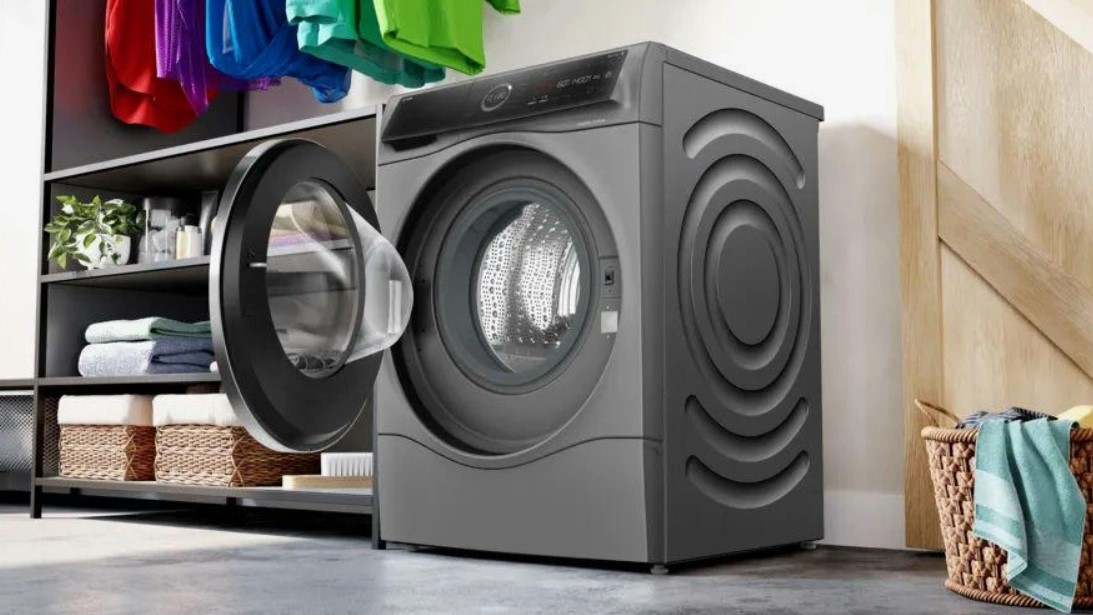
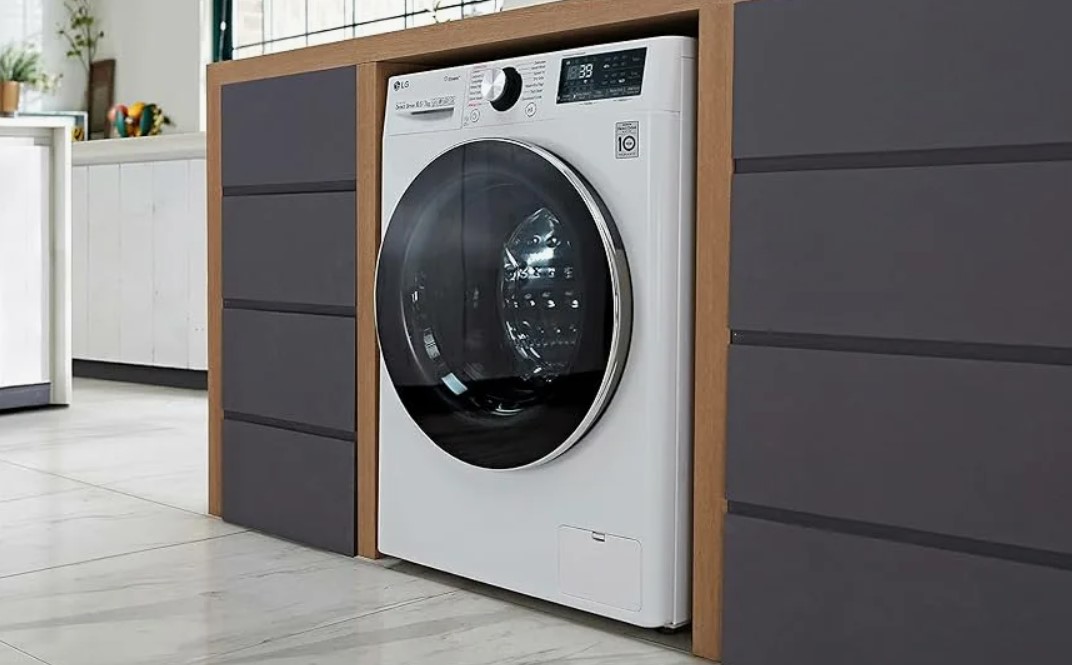
Front-load washers are generally known for their energy efficiency and superior cleaning performance. They utilize a horizontal drum that tumbles clothes, allowing for deeper penetration of water and detergent. Additionally, these models consume less water and energy, making them environmentally friendly. Their design often allows for stacking with a dryer, which can save space in smaller laundry areas.
However, front-load washers can have longer wash cycles, which may be a consideration for those seeking quick laundry solutions. They can also be more prone to mildew buildup due to their airtight seals. Regular maintenance, such as leaving the door open after use, is necessary to mitigate this issue.
On the other hand, top-load washers offer convenience and ease of use. Loading and unloading laundry is simpler since users can directly place clothes into the drum without bending down. Traditional top-loaders often have shorter wash cycles, making them suitable for users with busy lifestyles.
Despite these advantages, top-load machines may use more water and energy, especially older models. They also tend to be less gentle on fabrics compared to front-load counterparts, which may lead to quicker wear and tear on delicate clothing items.
Ultimately, the choice between front-load and top-load washing machines depends on your specific washing needs, available space, and personal preferences. Those focused on energy efficiency and space-saving designs may find front-load units more appealing, while users valuing convenience and faster cycles might opt for top-load models.
Smart Features to Look For in 2025 Washers
As technology continues to advance, washing machines are becoming increasingly intelligent, offering features that enhance convenience, efficiency, and user experience. When selecting a washing machine in 2025, consider these essential smart features:
| Feature | Description | Benefits |
|---|---|---|
| Wi-Fi Connectivity | Connects to home internet for remote access via smartphone apps. | Monitor and control wash cycles from anywhere, receive alerts and notifications. |
| Voice Control | Compatible with voice assistants like Amazon Alexa or Google Assistant. | Operate the washer hands-free, set programs, and check status with voice commands. |
| Smart Load Sensing | Automatically adjusts water levels and cycle settings based on load size. | Improves efficiency, saves water and energy, and enhances cleaning performance. |
| Adaptive Wash Technology | Learns user habits and optimizes wash cycles accordingly. | Provides personalized recommendations for cycle settings and detergent use. |
| Self-Diagnosis | Identifies and troubleshoots issues using built-in sensors. | Reduces downtime and repair costs with proactive alerts and service suggestions. |
| Data Tracking and Usage Reports | Records wash history and provides insights on water and energy usage. | Helps users make informed decisions about their laundry habits and conservation. |
These smart features not only streamline the washing process but also contribute to a more sustainable and energy-efficient home. When evaluating options for the best washing machine in 2025, prioritize models equipped with these technologies to ensure a future-ready appliance.
Best Models for Small Spaces
Finding a washing machine suitable for small spaces can be a challenge, but there are several high-performing models designed specifically for compact living environments. These machines offer efficient washing capabilities without taking up unnecessary space, ideal for apartments, small homes, or laundry niches.
1. Compact Front-Load Washers
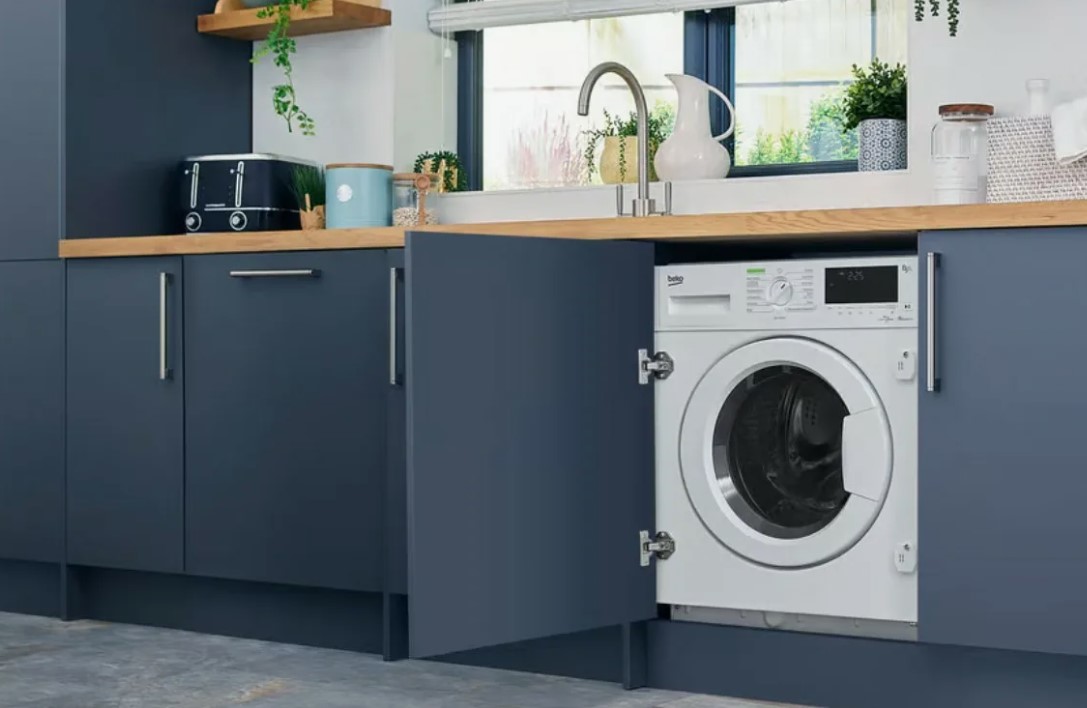
Compact front-load washers are a popular choice for small spaces due to their slim profiles and versatile installation options. Many models are around 24 inches wide and can easily fit under countertops or in closets. Look for features like a high spin speed, which reduces drying time, and various wash settings that cater to different fabric types. Popular brands like Bosch and LG offer models that not only save space but also boast energy efficiency, ensuring lower utility bills.
2. Washer-Dryer Combos
Washer-dryer combos are an excellent choice for those with limited space. These units combine both washing and drying functions into one machine, eliminating the need for a separate dryer. They are particularly advantageous in apartments where venting may not be feasible. Models from brands like Samsung and Whirlpool come with multiple wash cycles and drying options, making them versatile for various laundry needs. While cycle times may be longer than traditional units, the convenience and space savings often outweigh the downsides.
Quiet Operation: Top Picks for Noise Sensitivity
For those who prioritize a peaceful home environment, choosing a washing machine that operates quietly is essential. Noise levels can significantly impact daily routines, especially in apartments or homes with open floor plans. Here are some of the best washing machines in 2025 that are known for their quiet operation.
Factors Influencing Noise Levels
When assessing washing machines for quiet operation, consider the following factors:
- Motor Type: Inverter motors generally operate more quietly than traditional motors.
- Drum Materials: Stainless steel drums often reduce vibrations compared to plastic drums.
- Noise Ratings: Look for decibel (dB) ratings provided by manufacturers; lower dB ratings indicate quieter machines.
- Suspension System: Advanced suspension systems help minimize noise during spin cycles.
Top Picks for Quiet Washing Machines
Here are some standout models that excel in reducing noise during operation:
- LG WM4000HWA: This front-load washer features an Inverter Direct Drive Motor, resulting in whisper-quiet operation, with noise levels around 48 dB during wash cycles.
- Bosch 300 Series WAT28400UC: Known for its quiet operation, this compact washer runs at 54 dB. It uses a 24-inch design, perfect for space-saving while maintaining low noise levels.
- Electrolux EFLS627UIW: With a noise level of just 47 dB, this model boasts a SmartBoost technology that mixes water and detergent before being introduced to the load, enhancing cleaning efficiency without added noise.
- Samsung WF45T6000AW: Operating at around 52 dB, this model features a Vibration Reduction Technology that ensures a smoother, quieter washing experience.
- Miele W1 WWH860: With only 48 dB during normal operation, the Miele W1 is built for longevity and quiet performance, including a dual suspension system for reduced vibration.
Choosing a washing machine with a focus on quiet operation can greatly enhance your laundry experience. Selecting one of these models ensures that noise sensitivity is taken into account, creating a harmonious home environment.
Capacity Considerations for Different Household Sizes
Choosing the right washing machine capacity is essential for optimizing laundry efficiency and ensuring satisfactory results for your household. Different household sizes necessitate varied capacities to accommodate the frequency and volume of laundry. Understanding these needs can help you select the best washing machine for your home.
Small Households (1-2 People)
For small households, such as singles or couples, a washing machine with a capacity of 3 to 5 cubic feet is generally sufficient. This size allows for a few loads per week without overwhelming the machine. A compact washer not only saves space but also conserves water and energy, making it an economical choice. Consider front-load models as they usually offer better efficiency and cleaning performance.
Medium to Large Households (3+ People)
Larger households, which typically include families of three or more, benefit from machines with a capacity ranging from 5 to 7 cubic feet. This size can easily handle larger loads, including bulky items like bedding and towels. A higher capacity washing machine minimizes the number of laundry cycles, saving both time and energy. When selecting a model, look for those with features like load sensing and adjustable settings to maximize efficiency based on the laundry load.
Best Washers for Delicate Fabrics
When it comes to washing delicate fabrics, choosing the right washing machine is essential to maintain the integrity and appearance of your garments. The best washers for delicate fabrics will feature multiple wash cycles, gentle settings, and advanced technology to ensure that your delicate items are cleaned without damage.
Key Features to Look For
1. Gentle Wash Cycles: Look for machines that have specific cycles designed for delicate fabrics, such as silk, lace, and hand-washables. These cycles usually involve slower spin speeds and reduced agitation.
2. Load Size Options: Washers with adjustable load size settings allow you to wash smaller loads more efficiently, reducing wear and tear on delicate items.
3. Temperature Control: The ability to customize water temperature is crucial because many delicate fabrics require cold or lukewarm water to avoid shrinking and fading.
4. True Steam Technology: Some modern washers have true steam functionalities that help remove tough stains and odors without the need for harsh treatments, making them ideal for delicate items.
Top Models
| Model | Key Features | Price Range |
|---|---|---|
| LG WM4000HWA | Smart technology, gentle cycle, steam options | $$$ |
| Samsung WF45R6100AW | Delicate cycle, FlexWash technology, energy efficient | $$ |
| Whirlpool WFW9620HC | Adaptive Wash technology, large capacity, quick wash | $$$ |
| Bosch 300 Series WAT28400UC | Compact design, delicate cycle, quiet operation | $$$ |
Investing in a washing machine specifically designed for delicate fabrics can prolong the life of your cherished clothing items. By focusing on gentle care features, you can ensure that your delicate fabrics are treated with the respect they deserve.
Budget-Friendly Options: Quality Without Breaking the Bank
Finding a high-quality washing machine that fits within a budget is entirely possible in 2025. Several models excel in performance, efficiency, and features while maintaining affordability. Here are some top budget-friendly washing machines that deliver excellent value for money.
- Samsung WF45R6100AWThis front-loading washer offers a spacious drum capacity of 4.5 cu. ft., making it ideal for larger households. It includes Super Speed technology that can clean a full load in around 30 minutes and features a self-cleaning cycle.
- LG WM3400CWLG’s model boasts a 4.5 cu. ft. capacity and comes with TurboWash technology, reducing wash times while maintaining fabric care. It also features smart pairing with LG dryers for seamless laundry days.
- Whirlpool WTW4855HWThis top-loading washer is budget-friendly and provides great washing performance with a 3.8 cu. ft. capacity. Its intuitive controls and multiple water level options make it suitable for various load sizes.
- Amana NTW4516FWThe Amana model is simple yet effective, offering a large capacity and user-friendly features. Its dual-action agitator ensures thorough cleaning while being gentle on fabrics.
- GE GTW335ASNWWWith a 4.2 cu. ft. capacity, this top-loader includes a range of wash cycles and a built-in agitate feature for effective cleaning. Its affordable price makes it great for budget-conscious buyers.
When selecting a budget-friendly washing machine, consider the following features to ensure you’re getting the best value:
- Energy Efficiency: Look for Energy Star-rated models that consume less electricity and water, resulting in savings on utility bills.
- Durability: Opt for machines with solid construction and reliable warranties to minimize future repair costs.
- Versatility: Choose models offering multiple wash cycles and options to handle various fabric types and soil levels.
- User-Friendly Controls: Ensure the machine has intuitive settings for easier operation, even for those less experienced with technology.
By investing in one of these budget-friendly washing machines, you can enjoy quality cleaning performance without straining your finances.
How to Maintain Your Washing Machine for Longevity
Proper maintenance of your washing machine is essential for its longevity and optimal performance. Regular care can prevent malfunctions and extend the life of your appliance. Here are key strategies to keep your washing machine in top shape.
1. Regular Cleaning
Clean your washing machine monthly to eliminate buildup of detergent residue, fabric softener, and dirt. For front-load washers, wipe the door seal and drum with a mixture of vinegar and water to prevent mildew. For top-loaders, ensure the detergent dispenser and lint filter are free of clogs. Run a hot water cycle with white vinegar and baking soda every few months to deodorize and sanitize the drum.
2. Check Hoses and Connections
Inspect the water supply hoses every six months for signs of wear, bulges, or leaks. Replace hoses every five years or as needed to avoid potential water damage. Ensure that connections are secure but avoid over-tightening, which can lead to damage. Also, check the drainage hose for kinks to ensure effective water flow.
Finally, keep the area around the washing machine clean and free of debris to ensure proper ventilation and prevent overheating. By following these maintenance tips, you can enhance the lifespan of your washing machine and ensure it operates efficiently.
Customer Reviews: What Users Are Saying About 2025 Models
In 2025, washing machines have evolved significantly, and user reviews reflect a range of experiences and insights. Many customers highlight the impressive energy efficiency of the latest models, noting that they consume less power and water while delivering thorough cleaning results. This aspect has led to lower utility bills, making these machines a smart investment for environmentally conscious consumers.
One of the most common praises revolves around advanced smart technology integration. Users appreciate features like app connectivity, allowing them to monitor and control their washing machines remotely. This convenience is particularly beneficial for busy households, enabling users to start or pause wash cycles from their smartphones, ensuring laundry fits seamlessly into their schedules.
Another frequently mentioned feature is the variety of wash settings available. Customers love the specialized cycles designed for delicate fabrics, sportswear, and heavy-duty cleaning. These options enable them to tailor each wash to the specific needs of their clothing, resulting in better fabric care and overall satisfaction with laundering results.
However, not all reviews are overwhelmingly positive. Some users have reported issues with the noise levels of certain models, especially during high-speed spins. While many have emphasized that noise is generally minimal, a few customers pointed out that their machines vibrate excessively, which can be disruptive in quieter home environments.
Reliability is a key consideration for users when assessing their washing machines. Several reviews mention that certain brands have demonstrated superior durability, with machines lasting longer than those from other manufacturers. Customers often recommend selecting models backed by favorable warranty options as a way to ensure peace of mind regarding long-term performance.
User feedback also touches on the ease of installation and maintenance. Many customers appreciate straightforward setup processes and clear instructions, leading to a hassle-free experience. Additionally, the accessibility of filters and drum cleaning options has received positive remarks, making regular upkeep more manageable.
Overall, feedback on 2025 washing machine models indicates a trend towards smarter, more efficient, and user-friendly products. While there are minor concerns, the majority of users appear satisfied with their purchases, highlighting how these innovations have enhanced their laundry experiences.
Q&A — Best Washing Machine 2025:
What are the top washing machine models recommended for 2025?
The article highlights several top washing machine models for 2025, including the LG WM4000HWA, known for its large capacity and advanced features, the Samsung WF45T6000AW, which offers smart technology integration, and the Bosch WAT28400UC, celebrated for its compact design and energy efficiency. Each of these models caters to different household needs and preferences.
How do I choose the right washing machine for my home?
Choosing the right washing machine depends on various factors such as size, capacity, features, and your budget. Consider the size of your laundry space and family size to determine the capacity you need. Look for features that are important to you, like energy efficiency, smart technology, or special wash cycles. Reading reviews and comparisons can also help you make a more informed decision.
What are the key features to look for in a washing machine in 2025?
Key features to consider in a washing machine include energy efficiency ratings, washing capacity, noise level, and smart technology options. Many modern machines offer features like Wi-Fi connectivity, mobile app integration, and specialized wash cycles for delicate fabrics or heavy-duty cleaning. It’s also worth checking for ease of use, reliability, and customer service support from the manufacturer.
Are front-load washing machines better than top-load machines?
Front-load washing machines typically offer more energy efficiency, better water usage, and a gentler wash for clothes compared to top-load machines. They can also handle larger loads and often come with advanced features. However, top-loaders are generally easier to load and unload and may have shorter wash cycles. The choice between the two ultimately depends on your personal preferences and laundry needs.
What is the average lifespan of a washing machine?
The average lifespan of a washing machine is around 10 to 15 years, depending on the model and how well it is maintained. Regular maintenance, such as cleaning filters and checking hoses, can prolong its life. It’s important to replace a washing machine when repair costs become too high or if it consistently fails to perform, indicating it’s time for an upgrade.
What features should I look for in a washing machine for my home?
When selecting a washing machine, consider several features that can enhance your laundry experience. Look for the capacity, which determines how much laundry you can wash in one cycle. An energy efficiency rating can help you save on utility bills. Additionally, check for different wash cycles tailored for various fabric types and soil levels. If you have space constraints, consider compact or stackable models. Features like a dual dispenser for detergent, steam cleaning options, and smart technology for remote control and notifications may also be beneficial. Lastly, ensure the machine is reliable and comes with a good warranty for peace of mind.
Don’t let broken appliances disrupt your life — trust expert Appliance Repair services for fast, reliable fixes that get your home back on track today!